Hollywood’s Beloved Star Who Captivated Generations—Can You Guess Who She Is?

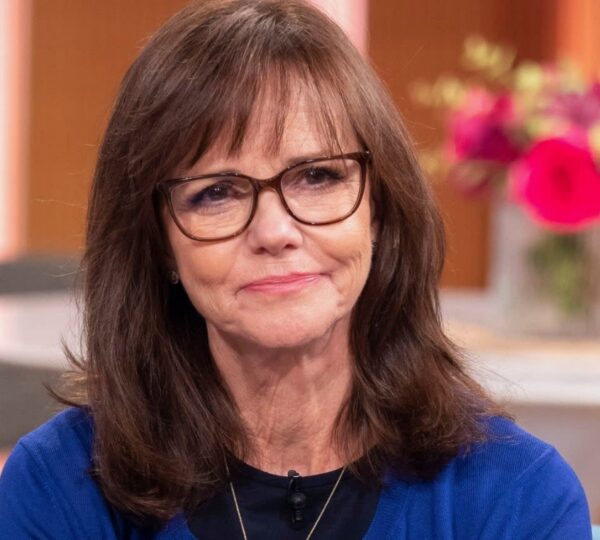
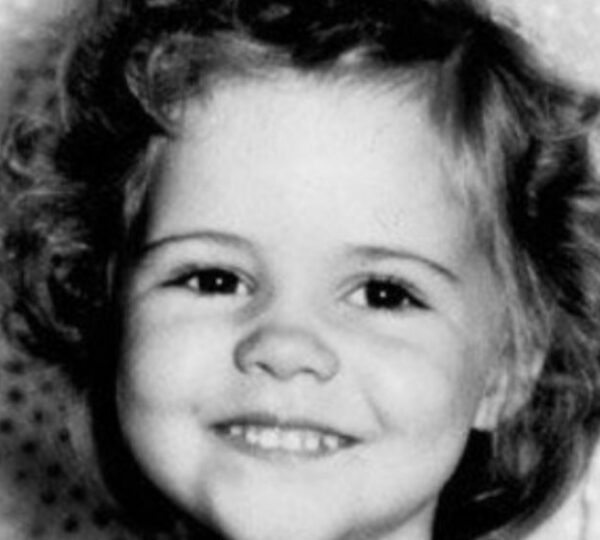
Sally Field, born on November 6, 1946, in Pasadena, California, is widely recognized as one of the most respected and enduring actresses in American entertainment. Her career has spanned more than five decades across television, film, and theater.
Known for her emotional depth and remarkable versatility, Field has built a reputation for portraying characters that feel authentic, compassionate, and deeply human. Her performances often resonate strongly with audiences who see their own experiences reflected on screen.
Field grew up in a family connected to the entertainment world. Her mother, actress Margaret Field, worked regularly in television during the 1950s and 1960s, which exposed Sally to the industry from an early age.
Despite this early connection to Hollywood, Field’s path to success was not immediate or easy. She faced challenges in establishing herself as a serious performer after beginning her career in lighthearted television comedies.
Her first major acting opportunity arrived in the mid-1960s when she was cast in the popular television series Gidget. The show premiered in 1965 and followed the adventures of a cheerful teenage surfer.
Although the series lasted only one season, it quickly gained a loyal audience. Field’s bright personality and natural charm made her stand out, helping her gain national recognition as a promising young actress.
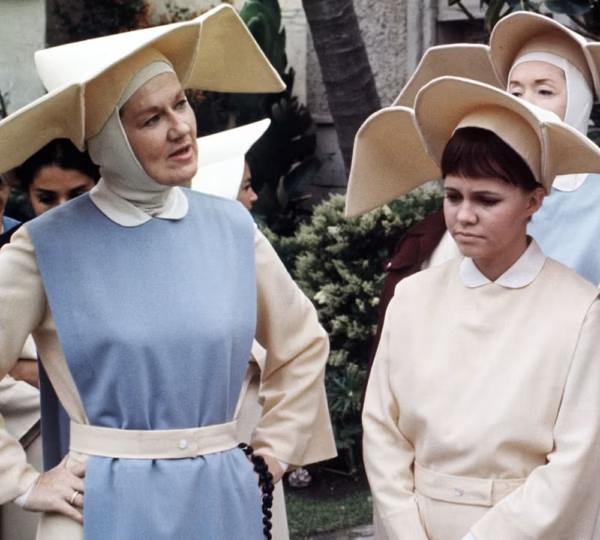
Soon after, Field landed another memorable television role in the series The Flying Nun, which aired from 1967 to 1970. The show featured her as Sister Bertrille, a novice nun who could fly due to strong winds.
The unusual premise of the series became a cultural talking point during its broadcast years. While the show was lighthearted and comedic, Field’s performance demonstrated her ability to anchor even the most unusual storylines with sincerity.
During this early stage of her career, Field became widely known as a wholesome television personality. However, she soon began searching for opportunities that would allow her to demonstrate greater emotional and dramatic range.
In the early 1970s, Field made a conscious decision to transform her public image. She studied acting with renowned coach Lee Strasberg and began seeking roles that challenged the limitations placed on her early television persona.
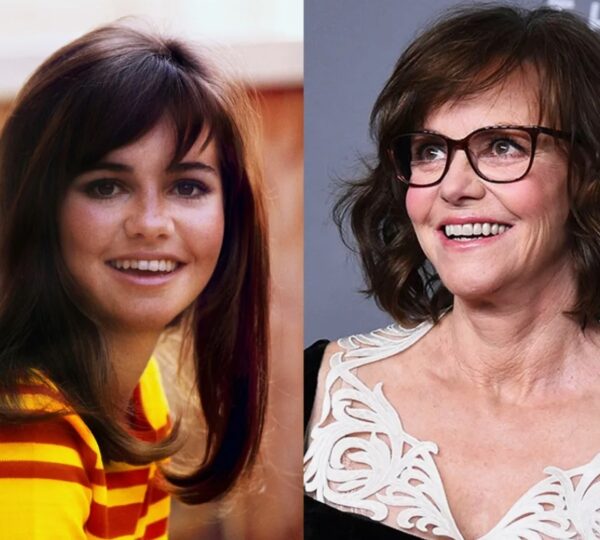
Her determination paid off in 1976 when she starred in the television film Sybil. The project required her to portray a young woman coping with dissociative identity disorder.
Field’s performance in the demanding role earned widespread critical praise. Many critics and industry professionals viewed the film as a turning point that proved her dramatic ability beyond comedic television roles.
The recognition she received from “Sybil” opened doors in the film industry. Soon afterward, she began receiving opportunities in more complex and emotionally layered cinematic projects.
One of the most defining performances of Field’s career arrived in the 1979 film Norma Rae. In the movie, she portrayed a textile worker who becomes involved in a labor union movement.
The film explored themes of workers’ rights, economic struggle, and personal courage. Field’s powerful performance captured the determination and vulnerability of a woman standing up for fairness in the workplace.
Her portrayal of Norma Rae Webster earned her the Academy Award for Best Actress. The win established Field as a major talent in Hollywood and transformed her career trajectory.
The role also helped redefine how audiences viewed her abilities as an actress. No longer seen only as a television star, she became recognized as a serious dramatic performer.
Field continued to build an impressive body of work throughout the early 1980s. She selected roles that allowed her to explore complex emotional landscapes and portray women facing significant personal challenges.
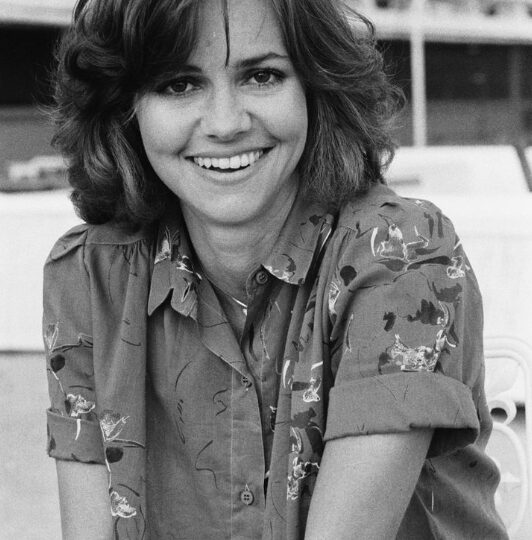
In 1984, she delivered another remarkable performance in the film Places in the Heart. The story followed a widow struggling to maintain her family farm during the Great Depression.
Her portrayal of Edna Spalding demonstrated extraordinary emotional nuance and quiet strength. Field’s ability to capture both vulnerability and resilience resonated strongly with audiences and critics alike.
For this performance, she received her second Academy Award for Best Actress. During her acceptance speech, she delivered the now-famous line, “You like me, right now, you like me,” which became a cultural moment.
Throughout the late 1980s and 1990s, Field continued to appear in memorable films. One of her most beloved roles came in the 1989 movie Steel Magnolias.
In the film, she portrayed M’Lynn Eatenton, a devoted mother coping with the illness of her daughter. Her emotionally intense performance in the film’s final scenes remains widely remembered.
Field’s ability to portray maternal strength and vulnerability made her particularly effective in family-centered dramas. Audiences often connected deeply with her characters because they felt genuine and relatable.
In addition to acting in films, Field maintained a strong presence in television. Her work in the medical drama ER earned her an Primetime Emmy Award for Outstanding Guest Actress.
Her guest appearance demonstrated her ability to deliver powerful performances even in short roles. The episode remains one of the most memorable guest performances in the long-running series.
Field also explored directing during her career. In 1996 she directed the television film The Christmas Tree, showing her interest in storytelling from behind the camera as well.
Her creative curiosity has always extended beyond acting alone. Field has spoken about her appreciation for the collaborative nature of filmmaking and the importance of storytelling in shaping culture.
In 2012, she portrayed Mary Todd Lincoln in the historical drama Lincoln directed by Steven Spielberg. The film starred Daniel Day‑Lewis as President Abraham Lincoln.
Field’s performance as the First Lady received widespread critical acclaim. Critics praised her ability to portray Mary Todd Lincoln as both emotionally fragile and intellectually formidable.
Her role earned her a nomination for the Academy Award for Best Supporting Actress, further demonstrating her continued relevance in modern cinema decades into her career.
Outside of acting, Field has long been involved in social advocacy. She has supported causes related to women’s rights, healthcare access, and LGBTQ+ equality.
Her advocacy is deeply personal. Field has spoken publicly about her experiences as a mother and about issues affecting families and communities across the United States.
In particular, she has been an outspoken supporter of LGBTQ+ rights, inspired in part by her son Sam Greisman, who is openly gay and works in the entertainment industry.
Field’s willingness to share personal experiences has helped raise awareness about acceptance and understanding. Many people admire her openness and commitment to supporting marginalized communities.
Over the decades, Field has received numerous honors recognizing her contributions to the arts. These awards reflect not only her talent but also her influence on generations of performers.
Her ability to move seamlessly between comedy and drama has always distinguished her from many of her peers. Few actors have demonstrated such a wide emotional and stylistic range.
Even after more than fifty years in the industry, Field continues to remain active in film, television, and stage productions. Her passion for acting remains evident in every performance.
Audiences across generations have grown up watching her work. From classic television series to award-winning films, her performances have become an important part of American cultural history.
Critics often highlight her authenticity as the defining quality of her acting. Field’s characters feel believable because she approaches each role with empathy and careful emotional understanding.
For younger actors entering the industry, Field’s career serves as a powerful example of resilience and reinvention. She successfully transitioned from teen television star to acclaimed dramatic actress.
Her journey illustrates the importance of persistence and dedication in creative professions. Field’s willingness to challenge herself allowed her to build a long and meaningful career.
Today, she remains a beloved figure in Hollywood and among audiences worldwide. Her performances continue to inspire admiration for their honesty and emotional power.
The legacy of Sally Field is defined not only by awards and achievements but also by the deep connection she has built with viewers through decades of storytelling.
Her work reminds audiences that great acting is not only about performance but about empathy, truth, and the ability to illuminate the human experience.
Through television, film, and advocacy, Field has left an enduring mark on the entertainment industry and on the lives of countless people who have been moved by her work.