The document was one of very few mentions of the President
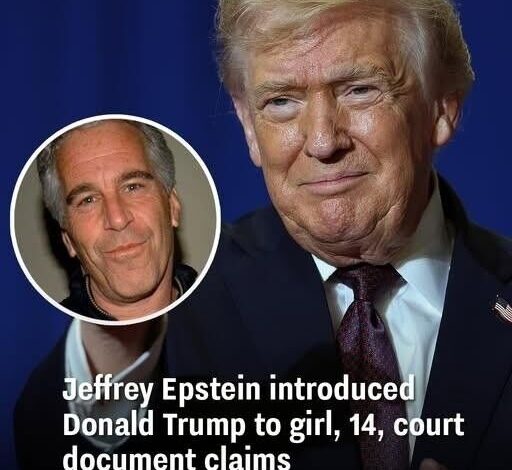
The line was easy to miss—until it wasn’t. Nestled inconspicuously among dense paragraphs of technical language, legal phrasing, and bureaucratic detail, a single mention of the President leapt off the page once anyone noticed. At first, casual readers skimmed past it, unaware of its potential significance. But for analysts, journalists, and political operatives, that single reference set off a cascade of speculation and intense scrutiny. Commentators paused mid-sentence, rewound digital copies, and reread the lines with a newfound intensity. Was it meant as a subtle warning? A protective shield? A coded signal to those in the inner circle? The more eyes examined it, the less accidental it appeared, and the only certainty seemed to be that its presence was deliberate, loaded with meaning that could ripple far beyond the page.
What made that lone reference so explosive wasn’t the length of the mention—it was its placement, its context, and the silence that surrounded it. In a document painstakingly designed to maintain neutrality, to sound technical, and to sidestep overt deference, the mere invocation of the President suddenly felt like a breach of an unspoken rule. Every word surrounding it, every clause and comma, now seemed deliberate, carefully crafted to thread the needle between public impartiality and private acknowledgment. For some observers, the sentence read as quiet deference, a recognition that ultimate authority rested at the top. For others, it carried an entirely different weight: a subtle reminder of control, power, and accountability—or perhaps the strategic avoidance of it.
The reverberations were immediate. Analysts dissected the phrasing in articles, op-eds, and live panels, debating whether the reference was an intentional signal, a veiled threat, or a carefully calibrated acknowledgment of hierarchy. Social media lit up with commentary, screenshots, and viral threads, each interpreting the line through the lens of ideology, personal bias, or insider knowledge. The single sentence overshadowed the entire document, transforming what was meant to be an unremarkable policy paper into a flashpoint for discussion, speculation, and controversy.
As the debate intensified, the document itself receded into the background. Its original content—charts, recommendations, and detailed proposals—became secondary, almost incidental, to the symbolic weight of that single line. Supporters argued that its presence demonstrated accountability reaching all the way to the top, a recognition that ultimate decisions were being made with oversight. Critics countered that it was a calculated move to project authority while sidestepping responsibility, a way to claim influence without inviting scrutiny. Even procedural experts began to weigh in, parsing tone, syntax, and placement for clues about intent and meaning.
In the end, the controversy revealed something larger about the nature of power in an age of constant observation. In a world where every word is scanned, archived, and debated in real time, authority often communicates less through bold declarations than through the barely audible cues embedded in documents, speeches, and public statements. Sometimes the loudest signal is not what is said—it is what is carefully, deliberately, and quietly inserted. That single, almost invisible reference to the President became a study in subtlety, strategy, and the psychology of influence, proving that even the smallest gestures can carry enormous weight when interpreted by the right—or wrong—audience.
The incident also illuminated the interplay between perception and intent. In a hyper-scrutinized environment, every actor knows that nothing is truly private. Every word can be parsed, quoted, or weaponized. The drafters of the document may have intended the reference as a simple acknowledgment, a nod to hierarchy, or a reassurance to insiders. Yet once exposed to millions of readers, analysts, and commentators, it became something else entirely—a symbol, a signal, and a story of power operating in the shadows of formality.
Ultimately, the lesson was clear: in politics, governance, and organizational communication, what is left almost unsaid can be more consequential than what is spelled out in bold letters. That single line, fleeting and understated, illustrated a universal truth of authority: the quieter the declaration, the heavier its impact, and the more carefully it is watched, the louder it ultimately speaks.