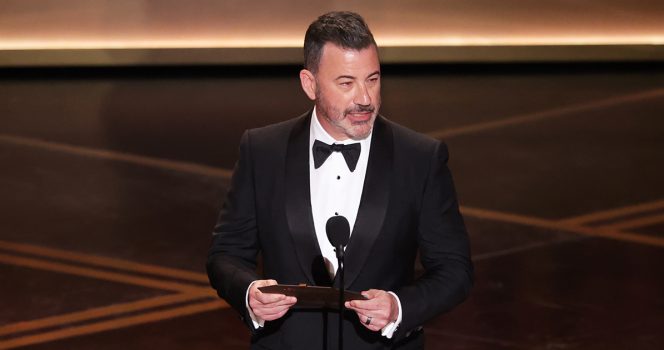
Jimmy Kimmel Sparks Buzz With Comment About Melania Trump During the Oscars
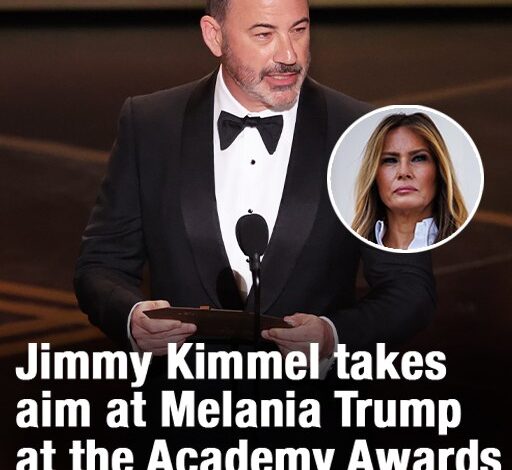
Late-night comedian and television host Jimmy Kimmel has built a long reputation for blending humor with political commentary. Over the years, he has frequently joked about American politics, often targeting figures connected to President Donald Trump and his administration.
That pattern continued during the latest ceremony of the Academy Awards, widely known as the Oscars. The annual event celebrates achievements in film and attracts millions of viewers from around the world each year.
The ceremony took place at the historic Dolby Theatre in Los Angeles, a venue that has hosted the Oscars for many years. As usual, the evening blended glamorous red-carpet fashion, emotional speeches, and moments of unscripted humor.
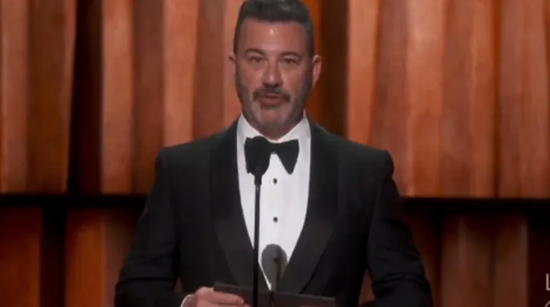
During the broadcast, Kimmel appeared on stage to present awards in the documentary categories. Although he was not hosting the ceremony, his brief appearance quickly became one of the most widely discussed moments of the night.
Kimmel’s remarks referenced a recently released documentary about Melania Trump, the First Lady of the United States. The film, titled Melania, follows her experiences and personal journey in public life.
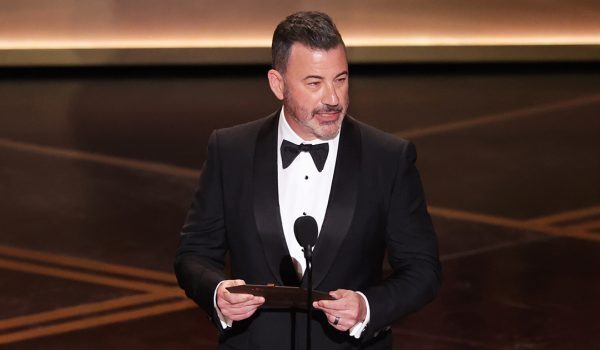
While presenting the documentary awards, Kimmel delivered a joke that drew laughter from parts of the audience while also sparking controversy online and in political circles. His humor was consistent with the sharp style he often uses on television.
The comedian began by discussing the importance of documentary filmmaking and the courage sometimes required to tell real-world stories. He noted that many documentary creators take personal risks to reveal important truths.
Kimmel then joked that storytelling can be dangerous in some places, making a sarcastic remark about countries where leaders do not support free speech. He quipped that he was “not at liberty to say which,” before referencing North Korea and the American television network CBS.
The comment appeared to be delivered in a humorous tone, but it immediately drew attention from viewers and commentators. Political jokes at award ceremonies often spark strong reactions, especially when they reference powerful public figures.
Continuing his presentation, Kimmel pivoted back to documentaries themselves. He praised filmmakers who work to expose injustice, highlight human rights issues, and document stories that might otherwise remain hidden from the public.
He then delivered a pointed punchline that referenced the Melania Trump documentary. Kimmel joked that some documentaries tell powerful stories, while others feature someone “walking around the White House trying on shoes.”
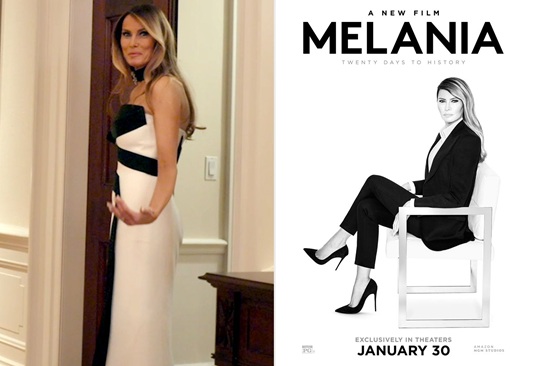
The line was widely interpreted as a humorous jab at the documentary about the First Lady. Audience reactions appeared mixed, with some people laughing while others remained silent during the moment.
Kimmel followed the remark with another joke referencing President Donald Trump. He quipped that Trump might be upset that the Melania documentary was not nominated for an Academy Award.
Although the joke lasted only a few seconds, clips of the moment quickly circulated across social media platforms. Within hours, it had become one of the most talked-about segments of the ceremony.
The documentary itself explores the life and public role of Melania Trump. It provides behind-the-scenes access to her activities and reflections during a significant period of American political history.
Supporters of the film have argued that it offers rare insight into a public figure who often maintains a relatively private presence. They say it shows aspects of her life that many people rarely see.
Critics, however, have been divided in their assessments of the project. Some reviewers described the film as slow or overly polished, while others felt it lacked deeper exploration of political or personal themes.
Media coverage of Kimmel’s joke highlighted the broader cultural conversation surrounding political humor. Award ceremonies have long included comedic commentary about politics, and this tradition often generates debate.
In fact, the Oscars themselves have a long history of political moments. Presenters and hosts frequently include jokes about current events, social issues, or world leaders during the broadcast.
Kimmel is particularly known for blending entertainment with commentary about public affairs. As the host of the late-night program Jimmy Kimmel Live!, he often dedicates segments to satirical takes on news stories.
Over the years, he has made numerous jokes about Donald Trump, especially during Trump’s time in politics. Their public exchanges have occasionally drawn attention from both supporters and critics.
Because of that history, many viewers were not surprised to hear Kimmel reference the Trump family during his brief Oscars appearance. Political humor has been a recurring feature of his public performances.
The reaction to the joke was immediate and widespread. Some commentators argued that political humor has a place at entertainment events, while others said award ceremonies should remain focused on film.
Political allies of the Trump family also responded publicly to the moment. Some criticized Kimmel’s remarks, calling them unnecessary or disrespectful toward the First Lady.
Meanwhile, supporters of Kimmel defended the comedian, noting that satire has long been part of American entertainment. They argued that comedians often challenge powerful figures through humor.
Social media quickly amplified the debate. Clips of the moment were shared widely across platforms such as X, formerly known as Twitter, where users posted a range of opinions.
Some viewers described the joke as harmless comedy, while others felt it crossed a line. The divide reflected broader political differences that often shape reactions to public commentary.
For journalists and media observers, the incident illustrated how quickly a brief comment at a major event can become a viral headline. In today’s digital environment, even a few seconds of footage can spark global discussion.
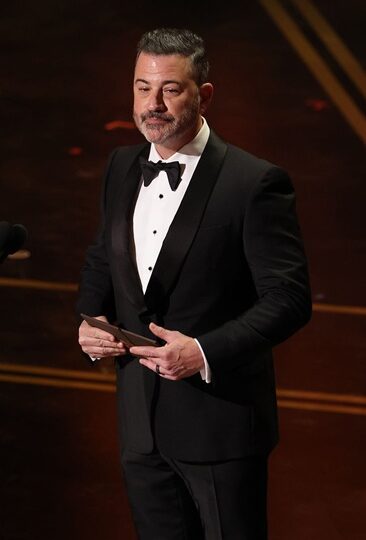
The Oscars themselves are watched by millions of viewers around the world. Because of this enormous audience, statements made during the ceremony often reach far beyond the film industry.
In recent years, award shows have increasingly become platforms for commentary about culture, politics, and social change. Presenters and winners sometimes use their time on stage to share personal views.
Kimmel’s remark fits within that broader tradition. Although brief, it demonstrated how comedians often use major events to deliver jokes that connect entertainment with current affairs.
For Melania Trump, the documentary remains part of her public profile as First Lady. The project highlights her experiences navigating public life while maintaining a more reserved personal style.
Throughout her time in the public eye, she has often avoided frequent interviews or media appearances. Because of that, the documentary attracted attention from both supporters and critics.
Regardless of differing opinions about the film, the Oscars joke ensured that the documentary would receive additional publicity. Moments like this often draw renewed attention to projects connected to public figures.
In the days following the ceremony, media outlets continued to analyze the moment. Some reports focused on the broader tradition of political humor at award shows.
Others examined how the joke reflected ongoing tensions between comedians and political leaders. Satire has historically played a role in democratic societies, often serving as commentary on power and influence.
Whether viewed as harmless humor or controversial commentary, Kimmel’s remarks quickly became part of the cultural conversation surrounding the Oscars. The moment showed how entertainment and politics often intersect.
For audiences, the episode was another reminder that award shows are about more than trophies. They also serve as stages for personality, humor, and spontaneous reactions.
As the film industry celebrated its achievements that evening, one short comedic moment managed to spark headlines around the world. In the era of viral media, even a single joke can shape the narrative of an event.
In the end, Kimmel’s brief appearance highlighted his signature style: quick, topical humor delivered with a hint of political satire. That approach has defined his career in late-night television.
The Oscars ceremony eventually moved on to celebrate filmmaking accomplishments, but the comedian’s remark remained a trending topic long after the broadcast ended.
Moments like this illustrate the power of live television. When millions of people watch at the same time, even a short comment can become a defining memory of the night.
For now, the debate surrounding the joke continues in media discussions and online conversations. Some people see it as classic comedy, while others believe it was unnecessarily political.
Regardless of where viewers stand, the incident underscores one undeniable reality: humor, politics, and celebrity culture remain deeply intertwined in modern entertainment.
And when a globally watched stage like the Oscars brings those elements together, even a brief line from a comedian can become a moment that audiences talk about long after the curtain falls.