Recently divorced woman moves into 10’x11′ shed and coverts it into lovely tiny home
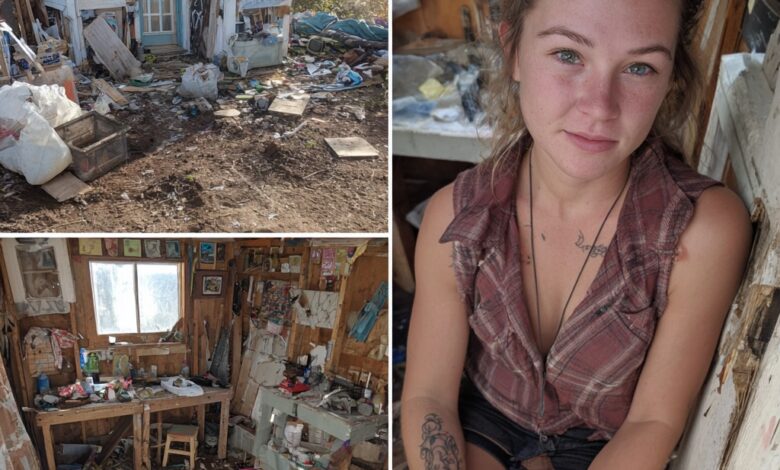
In an era defined by skyrocketing real estate markets and a deepening climate crisis, a growing segment of the population is finding that the secret to a bigger life may actually be a much smaller house. The “tiny home” movement—once a niche lifestyle choice for nomads—has matured into a formidable cultural shift, attracting diverse demographics from first-time buyers to retirees. This transition reflects a fundamental recalibration of priorities, where the traditional metric of success—total square footage—is being traded for a heightened quality of life achieved through intentionality and architectural innovation.
The Green Blueprint: Reducing the Ecological Footprint
At the heart of the tiny home surge is a profound commitment to environmental stewardship. As global awareness of individual carbon footprints reaches a fever pitch, many are viewing their living quarters as the primary site for sustainable intervention.
By drastically downsizing, residents naturally achieve a significant reduction in energy consumption and waste. These compact dwellings are often laboratories for green technology, frequently integrating:
- Off-grid power: High-efficiency solar arrays that negate the need for traditional utility hooks.
- Water conservation: Advanced composting toilets and greywater filtration systems.
- Sustainable materials: Reclaimed wood and low-impact insulation that minimize the home’s initial environmental “debt.”
Beyond the hardware, the lifestyle dictates a more mindful approach to daily consumption. In a space where every inch is accounted for, homeowners become hyper-aware of the resources they use and the waste they produce, fostering a lifestyle that exists in closer harmony with the natural world.
The Philosophy of Minimalism: Mental and Physical De-cluttering
The tiny home movement is the physical manifestation of the minimalism movement. For many, the draw is as much psychological as it is practical. In a traditional house, “stuff” tends to expand to fill the available space; in a tiny home, every object must justify its existence.
This forced curation leads to a powerful mental shift. By letting go of the unnecessary, residents report a profound sense of liberation. When the burden of maintaining and managing “things” is removed, individuals are free to redirect their energy toward experiences, personal growth, and relationships. The result is a more intentional way of being, where the home serves as a peaceful sanctuary rather than a cluttered warehouse of possessions.
The Practical Edge: Affordability and Autonomy
While the philosophy is compelling, the practical advantages of tiny living provide the structural backbone of the movement. From a maintenance perspective, the benefits are immediate: a smaller footprint means significantly less time spent on cleaning and repairs. This “time dividend” allows residents to reclaim hours previously lost to domestic chores.
The financial implications are equally transformative. With traditional homeownership increasingly out of reach for many due to inflated markets and high-interest rates, tiny homes offer a viable entry point.
- Financial Freedom: Lower mortgage payments (or no mortgage at all) allow for increased savings and travel.
- Mobility: Many tiny homes are constructed on chassis, offering a level of portability that traditional real estate cannot match. This appeals particularly to the “digital nomad” workforce and those who desire a transient, adventurous lifestyle without sacrificing the comfort of their own bed.
Community and the New Social Fabric
Contrary to the idea that small living leads to isolation, the movement has birthed a vibrant and interconnected social network. Across the globe, “tiny villages” are emerging—planned communities where like-minded individuals share not just land, but values.
These micro-neighborhoods prioritize collective resources and social interaction. Whether it’s a shared garden or a communal workspace, these environments foster a sense of belonging and mutual support that is often missing in anonymous suburban sprawls.
Conclusion: A New Definition of Home
The tiny home movement is more than a housing trend; it is a challenge to the status quo. By questioning the necessity of the “McMansion,” advocates are opening a broader dialogue about what a fulfilling life actually requires. As this movement continues to evolve, it will undoubtedly influence future conversations regarding urban planning, sustainable development, and the true meaning of community.
As we look toward the future of housing, the tiny home stands as a powerful testament to the idea that by living with less, we might actually find we have so much more.
Are you considering a transition to a more minimalist lifestyle, or do you find the constraints of a tiny home too restrictive for your needs? Share your thoughts on the future of housing in the comment section below.