Coldplay ‘Kiss Cam’ woman speaks out and makes huge accusation on former boss
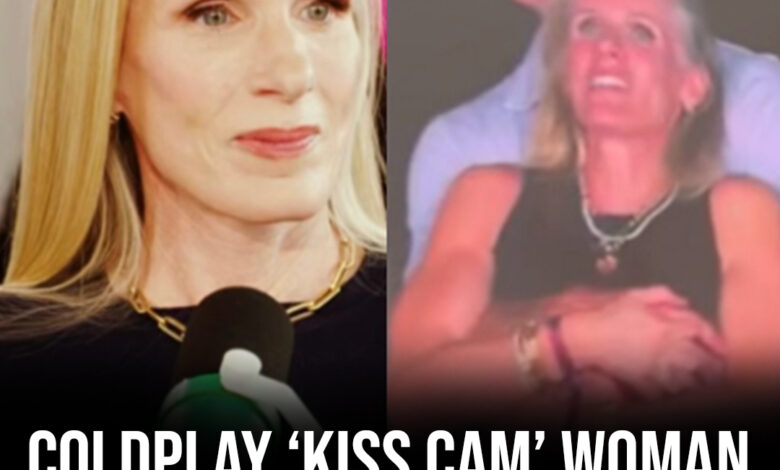
It began as a scripted moment of concert levity and ended as a career-ending digital wildfire. Now, months after a July 2025 Coldplay performance in Boston became the backdrop for one of the year’s most scrutinized viral moments, Kristin Cabot is speaking out about the “unimaginable price” she has paid—and the deep disillusionment she feels toward her former boss and companion, ex-Astronomer CEO Andy Byron.
In an expansive new interview with Oprah Winfrey on The Oprah Podcast released March 17, the mother of two moved beyond the grainy “kiss-cam” footage to address the fallout of her relationship with Byron, characterizing the aftermath as a hard-learned lesson in deception.
The 15 Seconds That Changed Everything
The saga began when the venue’s cameras pivoted to Cabot and Byron during the show. The pair was captured embracing before an awkward, sudden attempt to retreat from the lens. From the stage, Coldplay frontman Chris Martin jokingly suggested the pair might be having an “affair”—a quip that, while meant for a laugh, acted as an accelerant for the clip as it ricocheted across social media.
At the time, Cabot was the head of Human Relations at the tech firm Astronomer, reporting directly to Byron, the company’s CEO. Both were married to other people at the time of the concert, though Cabot has since clarified she was already navigating a divorce from her estranged husband and was under the impression Byron was in a parallel situation.
The fallout was swift and total: both executives eventually stepped down from their roles at Astronomer as the scrutiny morphed from tabloid curiosity into professional liability.
A “Big Miss” on Honesty
Speaking with Winfrey, Cabot revealed that she officially “ended communication” with Byron last fall, signaling a definitive fracture in a bond that was once forged in the heat of a public relations crisis. Her reasoning, she suggests, was a fundamental realization that the man she was with was not the man he claimed to be.
“There was a big miss on honesty and integrity,” Cabot told Winfrey. “He wasn’t the person he represented himself to be, to me—and lying is a non-negotiable for me.”
When pressed by Winfrey on whether Byron had misled her regarding his own marital separation, Cabot remained guarded, citing a desire to protect families from the same public exposure she endured. “I want to be really careful, because the world spoke for me and on my behalf, and I don’t want to do that to somebody else,” she said, before adding pointedly, “A lot of what was represented to me was not true.”
Crisis Management and Double Standards
The road to the final break was a winding one. Cabot told The New York Times that in the immediate wake of the concert, she and Byron remained in contact throughout the summer, often leaning on one another for “crisis management advice” as the world dissected their lives. By September, however, the two met for the final time, agreeing that total silence was the only path toward healing.
Reflecting on the public’s reaction, Cabot noted a stark disparity in how she and Byron were treated by the court of public opinion. While Byron’s professional standing was questioned, Cabot faced a barrage of personal vitriol that ranged from critiques of her physical appearance to literal death threats.
“I own the poor decision that I made in that moment,” Cabot admitted, “and I’ve paid an unimaginable price for that.” Still, she maintains that the global reaction was disproportionately harsh for a “mistake” made in a single, televised moment.
As Cabot looks to move forward, her story serves as a cautionary tale of the modern age: a reminder of how quickly the line between the private office and the public stage can vanish—and how the “kiss-cam” can sometimes reveal far more than just a momentary embrace.