WHITE HOUSE IN MELTDOWN: Insider Blames “Bumbling Boomer” After Trump’s Obama Video Sparks National Outrage
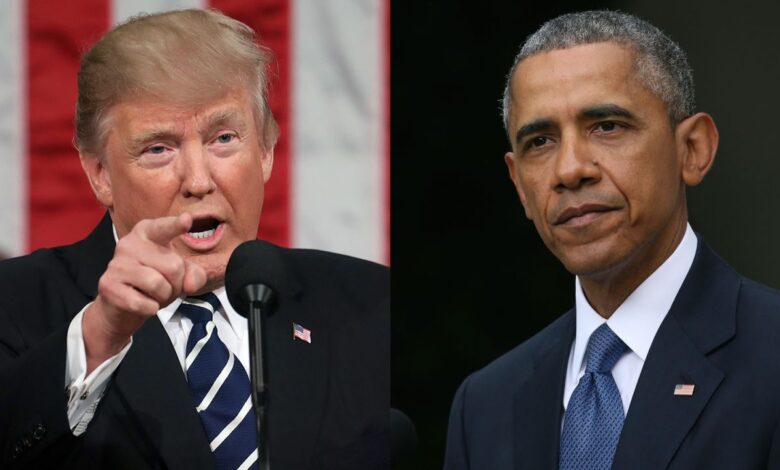
A political firestorm erupted inside the White House after a shocking and deeply controversial video involving former President Barack Obama surfaced on President Donald Trump’s social media account, triggering outrage, internal chaos, and frantic damage control behind the scenes.
According to multiple insiders, the moment the video went live, alarms began sounding across Washington. Senior aides, communications staff, and political allies were blindsided by the content and immediately realized the fallout would be severe.
The video, which included imagery widely condemned as racist, spread rapidly across social platforms, igniting fury from both sides of the political aisle and setting off a wave of criticism unlike anything seen in recent months.
Within minutes, phones inside the White House reportedly began ringing nonstop. Advisors scrambled to understand how the video was posted, who approved it, and why it was allowed to go public at all.
One White House insider privately blamed what they described as a “bumbling Boomer moment,” suggesting that outdated judgment, poor oversight, and reckless social media habits played a major role in the incident.
As backlash intensified, Republican lawmakers were forced into an uncomfortable position. Several publicly distanced themselves from the post, calling the imagery unacceptable and damaging to the party’s credibility.
Democrats, meanwhile, seized on the controversy as proof of what they argue is a long-standing pattern of inflammatory behavior, accusing the president of fueling division and racial tension.
Civil rights advocates were swift and unforgiving, stating that the imagery echoed painful historical stereotypes and could not be dismissed as a joke or meme under any circumstances.
Inside the White House, sources say panic set in as aides realized the timing could not have been worse, with the nation already deeply divided and political tensions running high.
Initially, officials attempted to downplay the incident, framing the reaction as overblown outrage. That response only poured gasoline on the fire, intensifying public anger and media scrutiny.
As pressure mounted, internal conversations reportedly turned heated. Senior staff debated whether to stand firm or retreat, knowing either option would carry serious political consequences.
Eventually, the video was taken down, but by then the damage was already done. Screenshots and recordings had spread across the internet, ensuring the controversy could not be erased.
Behind closed doors, aides worked frantically to control the narrative, calling allies, donors, and media contacts in an effort to contain the fallout.
One official later suggested the post was made in error by a staff member, a claim that raised even more questions about internal controls and accountability.
Critics quickly pushed back, arguing that blaming staff only highlighted deeper dysfunction inside the administration and a lack of clear leadership.
Political analysts described the episode as a self-inflicted wound, one that overshadowed policy goals and reignited debates about race, responsibility, and presidential conduct.
The silence from the Obama family only amplified the tension, leaving the public to draw its own conclusions while speculation dominated headlines.
As the controversy continues to ripple across the country, insiders warn that the long-term political consequences may extend far beyond a single post.
For many Americans, the incident has become a symbol of a broader cultural and political divide, raising urgent questions about leadership, accountability, and the power of social media at the highest levels of government.
Whether this moment fades or reshapes the political landscape remains to be seen — but one thing is clear: Washington is still reeling.