Doctors reveal the one blod type which has the lowest risk of cancer
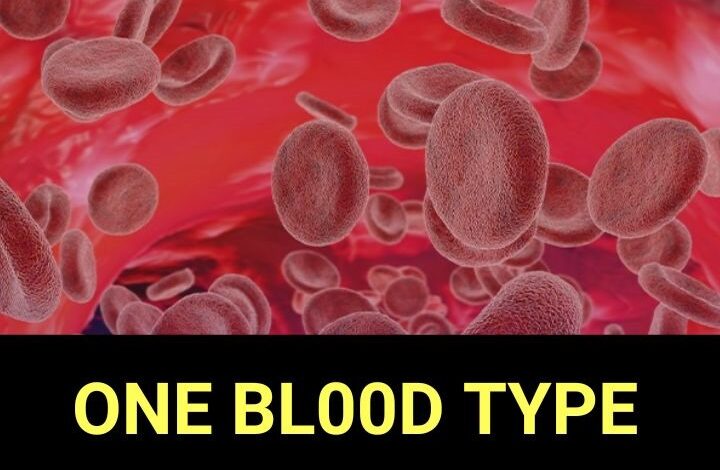
While most people only consider their blood type during a routine physical or a Red Cross donation drive, a growing body of clinical research suggests that these cellular markers may provide a critical window into an individual’s long-term health trajectory—specifically regarding their susceptibility to oncological diseases.
According to a series of longitudinal studies, including a landmark 2015 report, individuals with Type O blood may possess a unique biological advantage. The data suggests that those within the Type O group have a significantly reduced risk of developing several high-profile malignancies, most notably stomach, pancreatic, and colorectal cancers.
The Type O Advantage
In contrast to the “O” group, individuals with Type A, B, or AB blood types were found to carry a heightened risk profile. Clinical observations have been particularly pointed regarding stomach and pancreatic cancers, where non-O types show a statistically relevant increase in vulnerability.
Beyond oncology, the benefits of Type O appear to extend into cardiovascular health. Researchers have linked the type to a lower overall risk of heart disease. This “cardio-protective” quality is believed to stem from Type O blood naturally possessing fewer clotting factors, which may reduce the likelihood of arterial blockages and related complications.
Understanding the Mechanics
Despite these findings, the medical community is quick to provide a necessary reality check: while blood type may influence the risk of contracting the disease, it does not appear to have any measurable impact on cancer mortality rates. Once a diagnosis is made, the blood type itself ceases to be a primary factor in the patient’s ultimate prognosis.
Furthermore, the majority of the population remains “blood type illiterate,” with most individuals only discovering their specific classification—A, B, AB, or O (positive or negative)—during an emergency or medical procedure. These classifications are determined by the presence or absence of specific antigens and the Rh protein on the surface of red blood cells.
A Piece of a Larger Puzzle
While the data regarding Type O is compelling, oncology experts stress that blood type is far from a definitive “shield.”
“Knowing your blood type is an excellent tool for personal health literacy,” says one lead researcher. “However, it is just one variable in an incredibly complex equation. Genetics, lifestyle choices, environmental exposure, and regular screenings remain the primary pillars of cancer prevention and early detection.”
As the field of personalized medicine continues to evolve, these findings offer a new layer of data for clinicians looking to identify high-risk patients before symptoms ever appear.