Spot the Legends: Iconic Stars Shine at the 1972 Emmy Awards
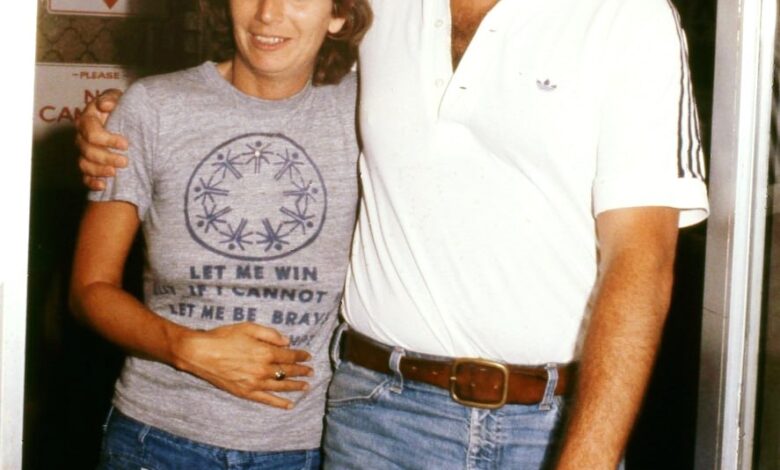
This candid snapshot of Rob Reiner and his first wife, Penny Marshall, captures a sunnier, more carefree chapter of Hollywood history, reflecting the intimacy, joy, and shared creative energy that defined their early careers.
The photograph radiates warmth and affection, showcasing two artists deeply connected not just personally but professionally, during a period when humor and storytelling were central to American entertainment, influencing film and television for decades to come.
In the image, their smiles suggest more than happiness—they convey mutual respect, shared ambition, and the playful collaboration that often emerges when two creative individuals inspire each other through friendship and romantic partnership.
During this time, Marshall had already achieved fame as Laverne DeFazio on Laverne & Shirley, a role that showcased her impeccable comedic timing, magnetic personality, and ability to connect effortlessly with audiences nationwide.
Her portrayal of Laverne quickly cemented her as a cultural icon, establishing her as one of television’s most beloved figures while also highlighting the potential for women to excel in comedy without compromise or apology.
Beyond acting, Penny Marshall’s influence extended behind the camera, where she broke new ground as a female director in Hollywood, a field historically dominated by men, demonstrating her talent, vision, and determination.
Her directorial debut, Jumpin’ Jack Flash, and subsequent films like Big and A League of Their Own showcased her storytelling prowess, blending humor, heart, and authenticity, earning both commercial success and critical acclaim.
Marshall proved that female filmmakers could helm projects that resonated universally, balancing entertainment with meaningful narratives, and inspiring countless women in the industry to pursue leadership and creative control.
Rob Reiner’s trajectory ran parallel to hers, beginning as an actor and quickly earning recognition for his comedic instincts, charm, and ability to bring characters to life with subtlety and intelligence.
Though Reiner gained early fame as Michael Stivic on All in the Family, his enduring legacy would emerge behind the camera, where he became a celebrated director known for blending humor, emotion, and universal themes.
His directorial work, including This Is Spinal Tap, Stand by Me, The Princess Bride, and When Harry Met Sally…, demonstrates his range, insight, and ability to create stories that resonate across generations and cultural contexts.
Even in his early years, Reiner immersed himself in communities of artists who valued collaboration, authenticity, and narratives with emotional depth, forming relationships that influenced the broader creative environment of Hollywood in the 1970s and 1980s.
Marshall and Reiner’s shared personal and professional circles strengthened their mutual influence, encouraging experimentation, innovation, and risk-taking that often led to groundbreaking projects for both artists and their contemporaries.
Together, they represented a golden age of comedy, where personal bonds and professional collaboration intertwined, helping shape a cultural moment defined by laughter, creativity, and stories that connected deeply with audiences.
Their relationship exemplified the synergy between love and art, demonstrating how romantic and platonic partnerships can fuel creativity while fostering artistic growth, experimentation, and a shared understanding of storytelling craft.
In private moments and professional discussions, their exchange of ideas enriched both their work, with Reiner absorbing Marshall’s sense of comedic timing and human insight, while she learned from his narrative and directorial perspective.
Marshall’s career trajectory, while distinct from Reiner’s, was equally impressive, evolving from acting to directing, while maintaining her distinct voice, humor, and ability to tell stories that resonated emotionally with audiences.
Her groundbreaking success with Big marked a milestone for women in Hollywood, showing that female directors could deliver financially successful, critically acclaimed films that appealed to diverse audiences across genres.
Marshall’s films often combined heart, humor, and relatability, reflecting her understanding of character-driven storytelling and her commitment to highlighting authentic human experiences, particularly those of women and underrepresented voices.
Reiner, meanwhile, continued building his career with an emphasis on authenticity, emotional resonance, and humor, often adapting literary works or collaborating with talented writers to create enduring cinematic classics.
The synergy between their careers demonstrates how interconnected the Hollywood community can be, particularly during a period when collaboration and shared artistic energy drove innovation and memorable creative output.
Despite eventual separation, the influence they had on each other endured, with Reiner’s films reflecting narrative intelligence and comedic sensibility, while Marshall’s work continued to celebrate heart, character, and emotional honesty.
Marshall’s passing in 2018 marked the end of an era, but her legacy persists, remembered not just for her groundbreaking career but also for her warmth, humor, and fearless creativity that inspired colleagues and audiences alike.
The photograph of Reiner and Marshall captures a unique historical moment, immortalizing the bond, joy, and shared ambition that fueled their contributions to American comedy, film, and television during a pivotal era.
It represents more than a personal memory; it’s a testament to Hollywood’s cultural evolution, illustrating how individual talent, collaboration, and shared vision can leave a lasting imprint on generations of storytellers.
Their influence extends to the broader creative community, with filmmakers, actors, and writers citing both Reiner and Marshall as inspirations for pursuing authentic, heartfelt storytelling balanced with humor and relatability.
Marshall’s dedication to character-driven narratives reshaped expectations for women in Hollywood, proving that commercial success and artistic integrity could coexist, even in a male-dominated industry.
Reiner’s work, emphasizing emotional intelligence, humor, and narrative depth, continues to inspire directors seeking to create films that resonate universally while maintaining personal artistic vision.
The photograph also embodies the vibrancy of an era when comedy and collaboration were cultural hallmarks, and when relationships among artists fostered both personal growth and professional excellence.
Marshall’s comedic brilliance as Laverne DeFazio remains a touchstone in television history, influencing contemporary performers and shaping the comedic landscape with timing, wit, and the ability to create lasting audience connections.
Her transition to directing illustrates courage and vision, challenging societal norms and redefining what was possible for women behind the camera, with films that combined commercial appeal and genuine emotional resonance.
Reiner’s career similarly demonstrates versatility, moving seamlessly between acting and directing while maintaining a focus on authenticity, narrative clarity, and humor that enhances, rather than overshadows, character development.
The bond between Reiner and Marshall, both personal and professional, highlights the ways in which shared ambition and mutual respect can foster creativity, innovation, and enduring contributions to culture and entertainment.
Even after parting ways, the lessons and influences they exchanged continued to shape their work, contributing to films and television projects that balance humor, emotional truth, and universal appeal.
Marshall’s legacy extends beyond accolades, encompassing mentorship, industry advocacy, and the creation of opportunities for women and underrepresented voices, demonstrating that influence often transcends personal accomplishments.
Reiner’s films reflect a similar commitment to human storytelling, emphasizing the subtleties of emotion, interpersonal connection, and humor, creating works that resonate with both audiences and future filmmakers.
The photograph, therefore, captures not just a moment in time, but the energy, ambition, and creativity that drove both artists and defined a key period in Hollywood history.
It serves as a reminder of the symbiotic relationship between collaboration and artistic achievement, highlighting how personal connections often underpin professional innovation and cultural impact.
Marshall’s death sparked retrospectives celebrating her contributions as an actress and director, but also the warmth, generosity, and courage she displayed, leaving a legacy that continues to inspire across generations.
Reiner’s ongoing career pays homage to the creative foundation he shared with peers like Marshall, reflecting lessons learned, friendships cultivated, and the enduring power of thoughtful, intelligent, and heartfelt storytelling.
The image also evokes the vibrancy and optimism of Hollywood’s creative circles in the 1970s and 1980s, when personal and professional lives frequently intertwined to produce work that was as innovative as it was entertaining.
Marshall’s films, often infused with humor and emotional honesty, remain cultural touchstones, demonstrating that comedy, heart, and relatable characters can achieve lasting significance in an industry often driven by trends and spectacle.
Reiner’s directorial choices similarly emphasize the human experience, balancing humor, insight, and narrative elegance, ensuring his work maintains relevance while influencing new generations of directors and storytellers.
The shared history of Reiner and Marshall illustrates how collaboration, mentorship, and friendship in creative industries can amplify individual talent, creating projects that resonate culturally and emotionally for decades.
Even in a single photograph, one can sense the unspoken understanding, respect, and mutual admiration that fueled both their careers and contributed to the enduring richness of American entertainment.
Marshall’s pioneering contributions paved the way for women in directing, demonstrating that leadership, vision, and emotional intelligence are as critical to filmmaking as technical skill or star power.
Reiner’s continued exploration of narrative depth and humor highlights the ways in which directors can balance entertainment with meaningful storytelling, creating films that appeal to both popular and critical audiences.
The photograph, therefore, is a cultural artifact, preserving a unique moment when two talented artists shared personal connection, professional respect, and creative energy that shaped an era in Hollywood history.
Even decades later, their influence continues to be felt through the actors, directors, and writers they inspired, reinforcing the idea that mentorship, collaboration, and shared ambition leave lasting legacies.
Marshall’s humor, compassion, and artistic courage serve as a model for creative professionals, while Reiner’s narrative intelligence, emotional insight, and dedication to craft provide lessons in storytelling excellence.
Together, they remind us that Hollywood’s history is not solely defined by box office numbers, awards, or celebrity status, but by the human connections and creative energy that bring stories to life.
Ultimately, the image of Rob Reiner and Penny Marshall is more than nostalgia—it embodies the heart of a collaborative, passionate, and influential era, leaving an enduring impression on entertainment, culture, and the generations that followed.