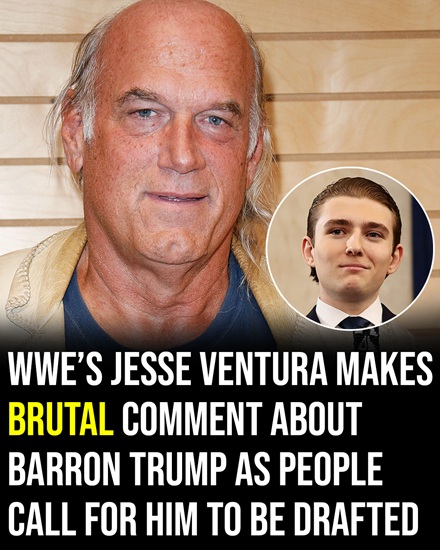
“Jesse Ventura Makes Bold Comment on Barron Trump as Draft Rumors Grow”
Former professional wrestler, Vietnam veteran, and ex‑Minnesota governor Jesse Ventura recently stirred a new political firestorm with controversial comments on Piers Morgan Uncensored.
In a widely watched March 24 interview, Ventura revisited the 2024 assassination attempt on Donald Trump and openly questioned the official account of the incident.
The event in question involved a 2024 rally in Butler, Pennsylvania, where Trump was grazed by a gunshot during a campaign appearance, an attack that killed a supporter on stage.
Ventura expressed deep skepticism about the shooting’s details, suggesting without evidence that the incident may have been staged or exaggerated, drawing on wrestling terminology in the process.
Referencing the wrestling term “blade job,” which describes a self‑inflicted cut used to heighten drama, Ventura said he saw no visible scar from Trump’s reported wound.
His comments drew swift reactions from across the political spectrum, including a White House response emphasizing respect for the man killed and affirming the legitimacy of the assassination attempt.
A White House spokesman specifically highlighted the heroism of Corey Comperatore, a supporter who died shielding others during the attack, and rejected Ventura’s insinuations.
Ventura’s skepticism echoed broader debates about political violence, media coverage, and the authenticity of public narratives in the modern era, drawing widespread attention online.
But questioning the assassination attempt was only part of Ventura’s remarks during the interview with host Piers Morgan, which has since become one of the show’s most talked‑about episodes.
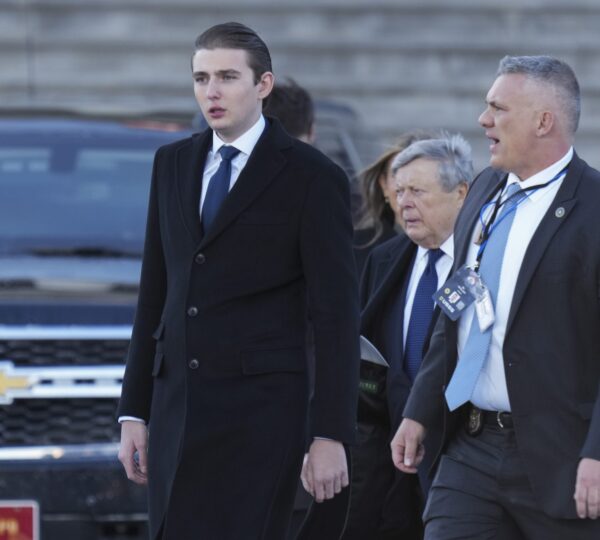
Turning to the Trump family’s approach to military service, Ventura issued a direct challenge to President Trump’s youngest son, Barron Trump, who turned 20 earlier this year.
Ventura argued that Barron should enlist in the United States military, saying this would show leadership and courage “where his father did not.”
He criticized former President Trump for avoiding military service during the Vietnam War, noting Trump’s multiple draft deferments due to bone spurs, a part of past public debate about service and privilege.
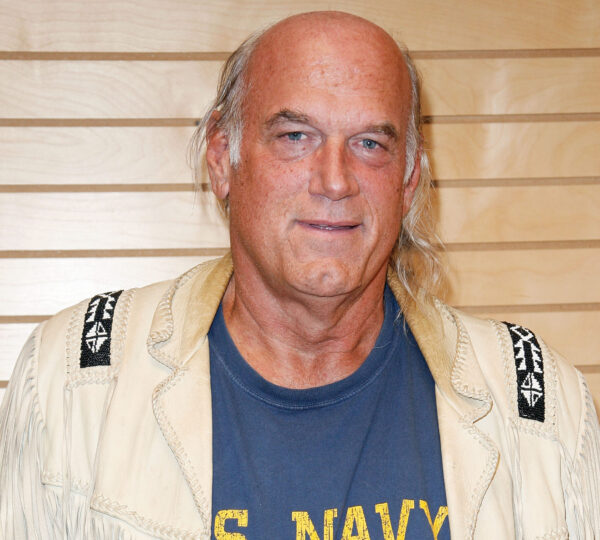
Ventura described Trump as a “draft‑dodging coward,” asserting that a leader should be willing to serve and encourage their own family to do the same.
Against the backdrop of escalating global tensions and U.S. military engagement, Ventura said it was “a simple thing as a leader” for Barron to enlist, emphasizing commitment to one’s country.
The former governor and decorated veteran based parts of his comments on his own military experience as a member of the U.S. Navy’s Underwater Demolition Team, which later became part of the SEAL community.
Ventura served during the Vietnam era and was awarded several medals, including the Vietnam Service Medal, the Republic of Vietnam Campaign Medal, and the Navy Expeditionary Medal.
His time in service, and the experiences he gained during deployments, inform his perspective on military duty, sacrifice, and what he sees as leadership responsibility.
Part of Ventura’s argument referenced rising concerns about foreign conflict, including recent U.S. tensions abroad that have resulted in U.S. military casualties and global focus on geopolitical risk.
Long‑standing debates about presidential eligibility to serve and military credentials have been part of U.S. political discourse for decades, intensifying when public figures weigh in with controversial views.
Ventura also touched on perceptions of privilege, specifically noting that none of Trump’s children — including Barron — have served in the armed forces, despite their public visibility.
In an attempt to counter claims that Barron might be disqualified due to height, Ventura pointed to tall veterans such as former NBA star David Robinson, who served before his professional career.
Ventura’s remarks sparked discussion online, with episodes of the interview shared widely across social media platforms and garnering thousands of reactions.
Some online users echoed parts of Ventura’s appeal, debating whether political leaders or their families should ever be required to have personal service records.
Others criticized the call for Barron to enlist, noting differences between voluntary service and compulsory military obligation in modern American law and culture.
Public conversation around the remarks also intersected with broader debates over national service, presidential responsibility, and how military service is valued in the political arena.
The divisive nature of Ventura’s statements underscores growing polarization in U.S. political dialogue, where former celebrities and politicians often amplify contentious viewpoints.
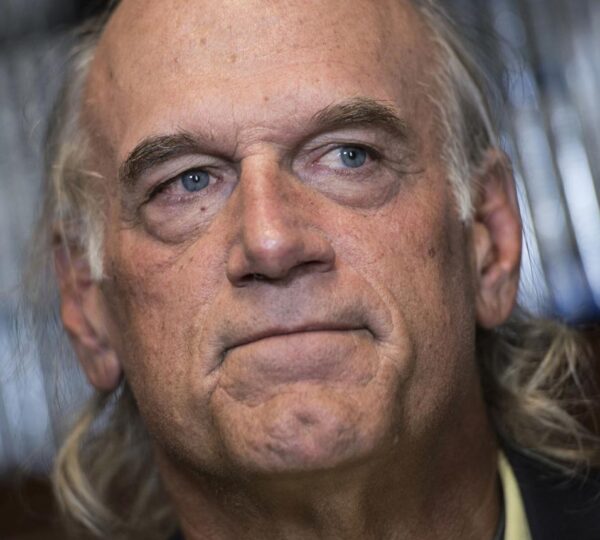
At the same time, some commentators have noted that Ventura’s comments reflect longstanding skepticism toward establishment narratives, a hallmark of his public commentary over many years.
Ventura first gained widespread public attention after achieving fame as a professional wrestler and later serving as governor of Minnesota from 1999 to 2003, often defying conventional political expectations.
Over the decades, he has also been known for exploring conspiracy theories and questioning government accounts of historical events in media and published works.
Critics of Ventura’s recent remarks argue that unverified speculation about sensitive national incidents can distract from the verified facts and ongoing investigations.
Supporters of Ventura’s candid style, however, praise his willingness to speak bluntly, even when his views diverge from mainstream coverage and public consensus.
Most media outlets covering the exchange highlighted the controversial nature of Ventura’s comments, noting how quickly the interview became a trending topic across platforms.
Some political commentators also pointed out that Ventura’s critique blends entertainment, politics, and military symbolism in ways that are increasingly common in modern political discourse.
In response to Ventura’s commentary, official spokespeople reaffirmed respect for all service members and urged civil discussion around national matters and military service.
Experts note that public discussion about military service expectations for political leaders and their families has occurred in past presidential administrations, often reflecting broader cultural values.
Whatever the public reaction, Ventura’s statements have drawn significant attention, illustrating how high‑profile personalities continue to shape political debate through media appearances.
As discussions unfold in newsrooms and on social platforms, one clear takeaway is that military service, national service, and presidential conduct remain powerful emotional topics in American life.
Observers say that the broader context includes recent geopolitical tensions that have tested American military resolve and raised urgent questions about leadership and sacrifice.
Critics of Ventura’s tone have cautioned against personal attacks on private citizens, emphasizing that calls for enlistment must respect individual choice and legal frameworks.
Supporters, in contrast, argue that Ventura’s words are intended to spark conversation about issues of duty, leadership, and the meaning of service in a democratic society.
Whatever one’s view, Ventura’s comments have left an unmistakable mark on national dialogue, prompting serious discussion about politics, military service, and personal responsibility in public life.