BREAKING, Jaden Smiths Emotional Announcement Leaves Fans Stunned, The Truth Behind the Viral Will Smith Tragedy
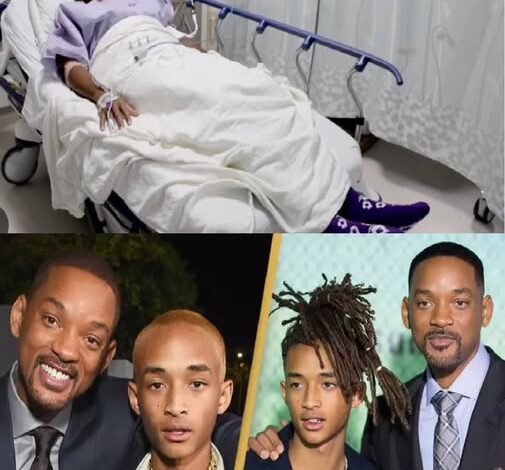
A wave of shock spread across social media after a deeply emotional message began circulating online, claiming that Jaden Smith had just shared heartbreaking news about his father, Will Smith. Within minutes, millions of people were reacting, sharing, and trying to understand what had happened.
The post described a devastating scenario. According to the viral story, Will Smith had allegedly been involved in a fatal plane crash near Jaipur, India. The aircraft, identified as a Boeing 787-8 Dreamliner, was said to have been carrying over 200 passengers when the tragedy occurred. Reports claimed that Smith had been traveling as part of a humanitarian and cultural mission in South Asia.
Then came the part that truly fueled the emotional reaction.
The story included a supposed message from Jaden—raw, brief, and filled with grief. It painted a picture of a son struggling to process an unimaginable loss, speaking through tears and disbelief. The words spread rapidly, amplified by headlines designed to hit hard and fast. People reacted instinctively. Comments poured in. Tributes began appearing almost immediately.
For many, the idea of losing Will Smith felt personal.
Over decades, he built a reputation not just as a Hollywood star, but as a figure people connected with. From his early days on television to his performances in major films, he became part of pop culture in a way that few actors ever achieve. His presence wasn’t limited to screens—he represented energy, humor, resilience, and a kind of relatability that made him feel accessible, even to those who had never met him.
That’s why the reaction was so intense.
The story described him as a passenger on a doomed flight, placing him at the center of a tragic, sudden loss. It referenced his career, reminding readers of the journey from The Fresh Prince of Bel-Air to powerful roles in films like Ali, The Pursuit of Happyness, and King Richard. It framed his life as something that had impacted millions—and suggested it had ended without warning.
But as the story continued to spread, something else began to happen.
Questions started to emerge.
There was no official confirmation from verified sources. No statements from credible outlets. No aviation reports matching the details being described. The supposed crash itself lacked consistent reporting. The timeline didn’t align. The more closely people looked, the more gaps appeared.
Despite that, the emotional weight of the story kept it moving.
This is how viral narratives often work. They don’t rely on verification first—they rely on reaction. A strong emotional hook can override skepticism, especially when it involves someone widely recognized and admired.
The mention of Jaden made it even more powerful.
As the son of Will Smith, he represents a personal connection to the story. Framing the announcement through him gave it an added layer of authenticity. It made the situation feel immediate, intimate, and real—even without confirmation.
But that same detail also raised questions.
Jaden is active publicly. Any genuine announcement of that magnitude would typically appear through verified channels, official statements, or coordinated communication involving family representatives. None of that was present.
Instead, what existed was a rapidly spreading story built on fragments—emotional language, dramatic framing, and a lack of verifiable backing.
That contrast matters.
Because in situations like this, the difference between reality and rumor becomes critical. The speed at which information travels today means that stories can reach millions before they’re ever confirmed. And once they do, reversing the impact becomes much harder.
The emotional reaction doesn’t disappear just because the information turns out to be unreliable.
People had already responded. Already processed the idea of loss. Already imagined a world without one of the most recognizable figures in entertainment.
That’s the real impact of stories like this.
They don’t just inform—they affect.
They tap into familiarity, into memory, into the connection people feel with public figures. And when they present something as final as death, they trigger a response that’s immediate and deeply personal.
In this case, the narrative combined several powerful elements: a beloved global icon, a tragic accident, and a grieving son delivering the news. It was structured to hit hard—and it did.
But structure isn’t the same as truth.
As more people began to question the details, the initial wave of shock started to shift into something else—confusion, skepticism, and eventually, awareness that the story might not be what it claimed to be.
That doesn’t erase the reaction. It doesn’t undo the moment people believed it.
But it does highlight something important.
Not everything that spreads quickly is real.
And not every emotional story is grounded in fact.
Will Smith remains one of the most recognized figures in entertainment, and any real development involving him would be widely confirmed through reliable sources. The absence of that confirmation speaks louder than any viral post.
Still, the situation leaves behind a reminder.
In a world where information moves instantly, emotional content travels fastest. It reaches people before verification catches up. And once it does, the damage—confusion, fear, grief—has already been done.
The story may not hold up under scrutiny, but the reaction it caused is very real.
And that’s exactly why stories like this continue to spread.