Inquisitive Nose, Uncomfortable Encounters
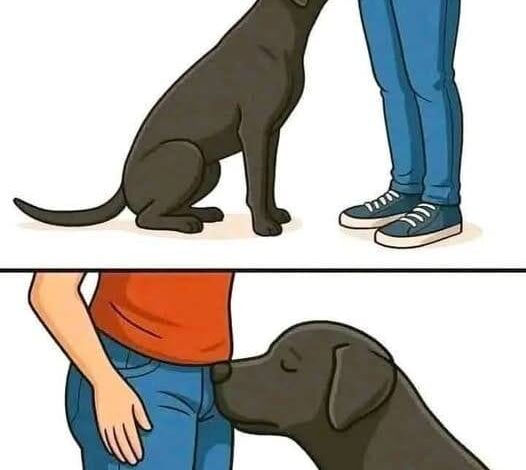
Their nose goes where your eyes refuse to look. Heat rushes to your face, guests freeze mid-conversation, and your dog burrows into the most private corner of the room—or rather, the most private part of you. It feels shocking, almost intrusive, like some unspoken social rule has been violently broken. Yet, before you panic or scold, it’s worth understanding that this humiliating moment isn’t rudeness at all—it’s a perfectly natural, deeply ingrained canine greeting that humans routinely misinterpret.
Dogs inhabit a world written entirely in scent, not sight. While humans navigate social boundaries through eye contact, personal space, and polite gestures, dogs read the world through pheromones concentrated in places we deem private. That awkward groin sniff? To them, it’s a quick, comprehensive biography: age, sex, stress level, hormonal fluctuations, even whether this person is familiar, friendly, or a stranger. It’s not dominance. It’s not perversion. It’s simply how their brains collect and process information about the living beings they interact with every day.
Your dog’s instinct is a powerful, ancient tool—a sensory shortcut honed over thousands of years. While it can be socially mortifying for humans, for the dog it’s a harmless and necessary method of understanding who you are, where you’ve been, and even your emotional state. In canine terms, it’s equivalent to a handshake, a nod, or a polite introduction in human society.
The good news is you don’t have to choose between honoring your dog’s instincts and maintaining social decorum. Teaching simple cues such as “sit,” “stay,” “watch me,” or redirecting them to a mat when guests arrive helps channel their curiosity in a controlled, polite way. With patience, consistency, and rewards, your dog learns that sniffing from a respectful distance still grants attention, social approval, and engagement—while you regain control of the room, protect your dignity, and allow everyone to relax.
Understanding this natural behavior not only prevents embarrassing encounters, but also strengthens your bond with your dog. By respecting their instincts while guiding them toward acceptable behavior, you create a shared language of trust, calm, and mutual respect—turning moments of initial embarrassment into opportunities for learning, connection, and laughter.