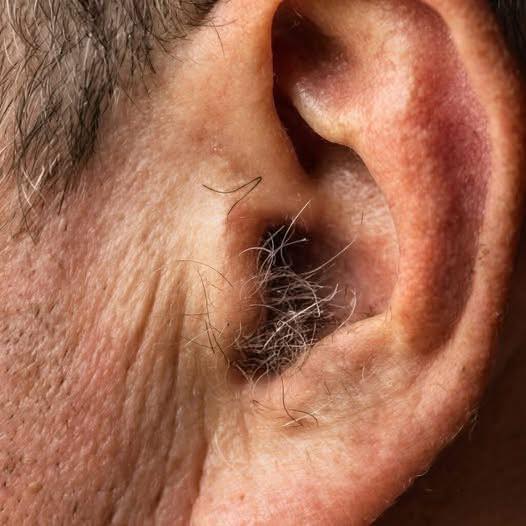
Did you know that hair growth on the ears isn’t a sign of illness? It’s simply a natural part of aging, influenced by hormones, genetics, and the passage of time.
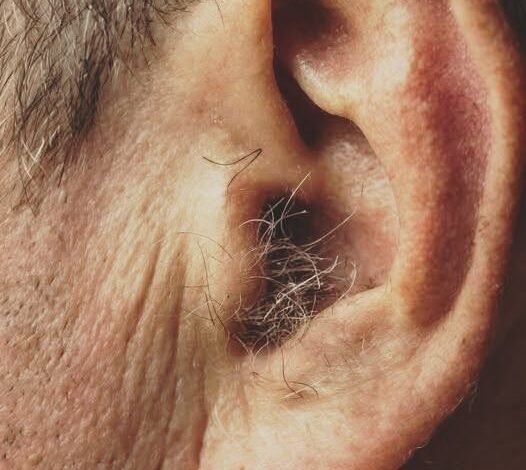
Did you know that hair growth in the ears is a completely normal aspect of aging? Many individuals first notice it in their fifties or sixties and mistakenly worry that it indicates illness or hormonal imbalance.
Hair distribution changes across the body over decades. While scalp hair often thins, hair in areas like the ears, nose, and eyebrows can grow thicker.
This uneven change is a natural response of hair follicles to hormones. Androgens, particularly testosterone and dihydrotestosterone (DHT), significantly influence hair growth patterns.
These hormones affect different regions differently. Ear hair growth is often more prominent in men due to higher androgen levels and genetics dictating follicle responsiveness.
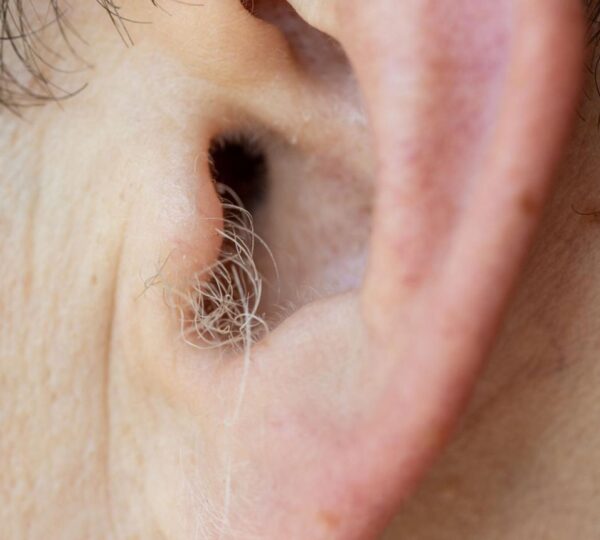
Women can also notice increased ear hair after menopause. As estrogen levels decline, hormonal balance shifts, allowing androgen-driven hair growth to become more visible in areas like ears, nostrils, and facial regions.
Genetics play an important role in hair density, thickness, and distribution. Individuals inherit specific patterns from their parents, explaining why some men develop long, thick ear hairs while others experience only minimal growth over a lifetime.
Historically, ear hair served practical functions. It helped trap dust, debris, and small insects, protecting the ear canal. These protective mechanisms gradually lose visibility but remain active in the body’s natural functions.
Hair follicles react differently to aging because they are programmed to respond to hormonal and environmental changes. While scalp follicles may miniaturize, follicles in the ear remain active, sometimes producing hair that is coarser and darker.
Many myths about ear hair have circulated for decades. Contrary to popular belief, it does not indicate poor circulation, organ disease, or systemic hormonal problems. It is simply a normal physiological change with age.
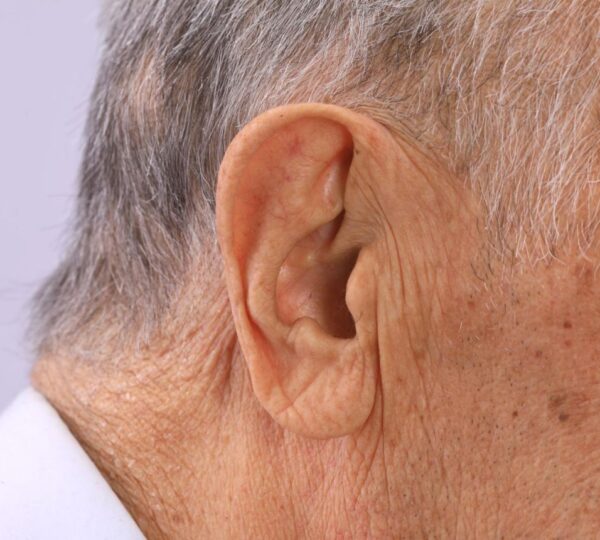
Trimming ear hair is optional and purely cosmetic. When grooming, use rounded scissors or small electric trimmers designed for sensitive areas. Avoid plucking or inserting sharp objects into the ear canal to prevent injury or infection.
Hair does not grow back thicker after trimming. The blunt appearance after cutting may seem denser, but follicle activity remains unchanged. This common misconception has led many to overpluck or worry unnecessarily about ear hair.
Visible ear hair is not a flaw or sign of neglect. It is a natural marker of aging, demonstrating the body’s resilience, adaptation, and ongoing biological processes rather than any dysfunction or disease.
Acceptance of ear hair can reduce embarrassment and self-consciousness. Understanding that this growth is genetically and hormonally normal helps reframe aging as a dignified and inevitable process rather than a source of shame or concern.
Hormonal influence continues throughout life. Androgens like testosterone and DHT regulate the terminal hair follicles in the ears, promoting growth gradually over decades. This is a normal, lifelong biological pattern, not a pathological condition.
Environmental factors can influence hair visibility. Sun exposure, skin type, and air quality may affect hair color, texture, and density. However, these factors do not alter the underlying genetic and hormonal mechanisms driving ear hair growth.

Ear hair serves minor sensory functions. While no longer critical for survival, hair in the outer ear helps detect airflow and protect sensitive ear structures. Evolutionary remnants like these continue to manifest visibly in older adults.
Age-related changes in hair patterns vary among individuals. Some may notice ear hairs early in their fifties, while others experience subtle growth only in their sixties or seventies. Timing depends on genetics, hormones, and overall health.
Men are statistically more likely to develop pronounced ear hair. This is directly linked to androgen levels, follicular sensitivity, and inherited traits. Women’s ear hair growth typically becomes noticeable after menopause when hormonal shifts occur.
Grooming tools should be chosen carefully. Specialized ear trimmers with rounded tips or low-speed electric devices reduce the risk of accidentally injuring the ear canal or causing small cuts, infections, or irritation.
Plucking hairs can damage follicles over time. Continuous plucking may lead to ingrown hairs, infections, or scar tissue formation. Professional grooming is safer, especially for those with coarse or long hair prone to tangling.
Hair thickness and color often differ between ear regions. Outer ear hair tends to be longer and coarser, while inner canal hair remains finer and less noticeable. These differences reflect follicle type and location-specific hormonal influence.
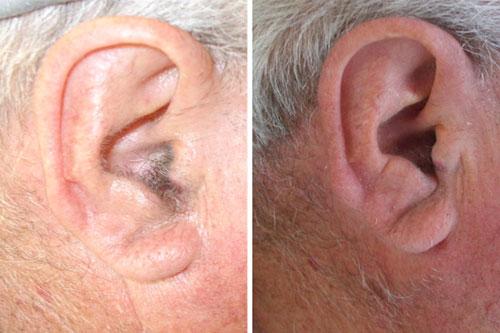
Aging does not affect hair uniformly. While scalp thinning may occur due to follicular miniaturization, other areas like ears, eyebrows, and nose may experience thickening. This dual pattern is a natural and predictable consequence of aging.
Public perception often amplifies embarrassment about ear hair. Cultural stereotypes and jokes can make natural growth seem abnormal, but education about hormonal and genetic mechanisms helps normalize this aspect of aging.
Ear hair grooming should prioritize safety. Avoid inserting sharp scissors or tweezers into the canal. Instead, use tools designed to limit penetration depth, preventing trauma to the sensitive inner ear or eardrum.
Understanding ear hair growth encourages a healthy perspective on aging. Rather than hiding or obsessing over minor changes, individuals can appreciate these features as part of their body’s natural lifecycle and resilience.
Scientific research confirms that hair follicles respond to androgenic stimulation differently across body regions. Terminal hair in the ears is hormonally responsive, continuing growth long after scalp follicles slow down or thin with age.
In conclusion, ear hair is a completely normal physiological phenomenon. It reflects hormonal, genetic, and evolutionary factors. There is no need for concern, shame, or excessive intervention—only awareness, acceptance, and careful grooming if desired.