Ann-Margret Devoted Herself to Her Husband Until His Passing
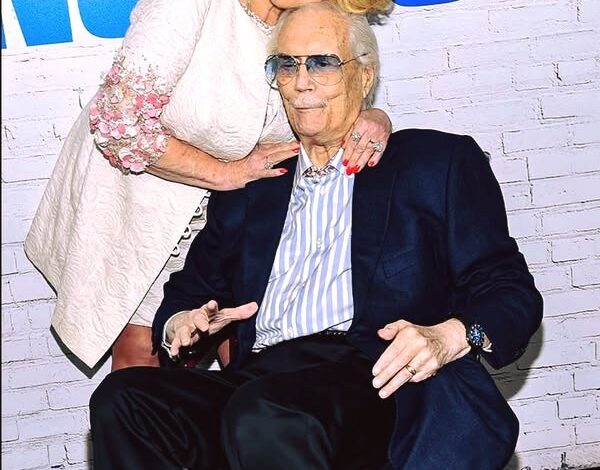
Ann-Margret is widely regarded as one of the most charismatic and talented entertainers of her generation, admired for her warmth, versatility, and long-lasting influence in both film and music industries across decades.
Born Ann-Margret Olsson in Sweden, she later moved to the United States with her family, where she began building a career in entertainment, eventually becoming a celebrated Swedish-American actress and singer.
Her early life in Sweden helped shape her personality, and she often carried a sense of discipline and humility into her professional career, which contributed to her strong work ethic in Hollywood.
After settling in America, she studied performing arts and quickly developed a reputation for her energetic stage presence, combining singing, dancing, and acting with remarkable natural confidence.
Her breakthrough came in the early 1960s when she signed with a major film studio and began appearing in musical films that showcased her vibrant screen presence and distinctive talent.
One of her earliest major successes was the musical film “Bye Bye Birdie,” where she gained widespread recognition and quickly became a rising star in Hollywood’s golden era of musicals.
Her performance in that film demonstrated not only her singing ability but also her comedic timing and screen charm, making her one of the most talked-about new actresses of the time.
Shortly afterward, she appeared in “Viva Las Vegas” alongside Elvis Presley, a film that remains one of her most iconic roles and a defining moment in her career.
The chemistry between Ann-Margret and Elvis Presley in the film led to significant public attention, and their professional collaboration later became a widely discussed part of entertainment history.
Although they shared a close bond during filming, their relationship remained primarily within the context of Hollywood and did not define her long-term personal life.
During the 1960s, Ann-Margret became one of the most recognizable faces in American entertainment, admired for her energetic performances and unique blend of glamour and approachability.
She was often compared to other major stars of the era, yet she maintained her own identity through her dynamic performances and strong screen presence.
Beyond musicals, she successfully transitioned into more serious dramatic roles, proving her versatility and ability to evolve with changing trends in the film industry.
In the early 1970s, she received critical praise for her role in “Carnal Knowledge,” which marked a significant shift in her acting career toward more complex characters.
This performance helped establish her as a serious actress rather than only a musical performer, earning her respect from critics and audiences alike.
Throughout her career, she received multiple award nominations, including Academy Award nominations, highlighting her lasting impact on American cinema.
Off-screen, Ann-Margret was known for her private personality, often keeping her personal life away from public attention despite her fame.
In the 1960s, she was romantically linked to several well-known figures, including Elvis Presley, but these relationships were part of her early Hollywood years.
Her life took a major turning point when she met actor Roger Smith, who would later become her husband and lifelong partner.
Roger Smith was known for his acting career in television and film, and he gained popularity through roles in series such as “77 Sunset Strip.”
The couple met in Hollywood circles and quickly formed a strong connection based on mutual respect, shared interests, and emotional compatibility.
They began dating in the mid-1960s and developed a relationship that stood out for its stability in an industry often known for short-lived romances.
In 1967, Ann-Margret and Roger Smith married in Las Vegas in a private ceremony that reflected their personal style rather than Hollywood spectacle.
Although the wedding was not highly glamorous, it marked the beginning of a long and committed marriage that lasted for decades.
After their marriage, Roger Smith gradually stepped away from his acting career to support Ann-Margret’s professional growth and manage her career.
His decision allowed her to focus more deeply on her acting and music projects, leading to continued success in film, television, and live performances.
Ann-Margret often expressed gratitude for his support, describing their relationship as a partnership built on trust, loyalty, and shared purpose.
Together, they built a life that balanced personal devotion with professional collaboration, becoming one of Hollywood’s most enduring couples.
During the 1970s, Ann-Margret faced personal challenges, including a serious on-stage accident that temporarily affected her health and required medical recovery.
Despite the difficulty of the incident, she showed determination by returning to performing after treatment and rehabilitation, demonstrating strong resilience.
Around the same period, she also faced struggles related to stress and lifestyle pressures, which she later managed with professional help and support.
Her husband played an important role during these challenges, offering emotional stability and helping her maintain focus on recovery and balance.
As her career continued, she successfully returned to film and television, maintaining her reputation as a respected and versatile performer.
In the 1980s, Roger Smith was diagnosed with myasthenia gravis, a chronic neuromuscular condition that significantly affected his health and daily life.
This illness required him to step back from active career involvement, and Ann-Margret became his primary caregiver and support system.
Despite the difficulties, the couple remained deeply committed to one another, showing resilience through years of health-related challenges.
Ann-Margret often paused her career to care for her husband, prioritizing their relationship over professional opportunities during this period.
Their bond became widely admired as an example of long-term commitment and emotional strength in the face of illness and hardship.
Roger Smith’s health later improved for a time, allowing the couple to enjoy periods of relative stability and renewed activity.
However, his condition eventually returned, and over time he also developed additional health complications, including symptoms associated with Parkinson’s disease.
Through all these challenges, Ann-Margret remained by his side, continuing to support him both emotionally and physically.
Roger Smith passed away in 2017, marking the end of their long marriage that had lasted for five decades.
His death was a deeply emotional moment for Ann-Margret, who later reflected on their life together with gratitude and love.
She often described their marriage as one of the most meaningful parts of her life, emphasizing the strength of their partnership.
Even after his passing, she continued to honor his memory and the role he played in her personal and professional journey.
Ann-Margret has since remained active in selective entertainment projects and public appearances, continuing to be respected for her legacy in Hollywood.
Her career is remembered not only for her iconic film roles but also for her longevity and ability to adapt across different eras of entertainment.
Today, she is considered a classic Hollywood legend whose work continues to influence performers and audiences around the world.
Her life story reflects themes of talent, perseverance, love, and resilience, making her one of the most enduring figures in American entertainment history.