Trump Criticizes Iran as Ceasefire Tensions Rise in Middle East
In today’s global landscape, geopolitical developments often generate widespread attention and varied interpretations across media platforms.
Conflicts involving multiple nations tend to be complex, with shifting agreements and differing perspectives on what has been decided or enforced.
As information spreads rapidly, public understanding can sometimes be shaped by incomplete or conflicting reports.
This makes it important to examine official statements and verified developments carefully when analyzing ongoing international situations.
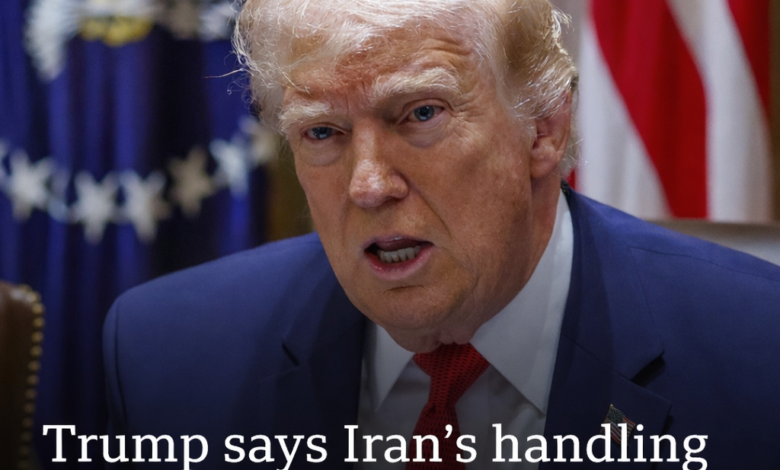
Recently, Donald Trump publicly criticized Iran over its handling of oil traffic through the Strait of Hormuz.
The Strait of Hormuz is a critical global shipping route, with a significant percentage of the world’s oil and liquefied natural gas passing through it.
Trump described Iran’s management of the situation as inadequate, suggesting it did not align with existing agreements.
His remarks come amid ongoing uncertainty surrounding ceasefire terms in the region.
At the same time, Benjamin Netanyahu indicated that Israel is preparing for direct talks with Lebanon.
The discussions are expected to focus on security concerns, including the disarmament of Hezbollah and the possibility of establishing more stable relations.
A U.S. official confirmed that upcoming meetings in Washington will address ceasefire negotiations involving both Israel and Lebanon.
However, differing positions remain regarding whether Lebanon is included in the current ceasefire framework.
Military activity in southern Lebanon has continued, with Israeli strikes targeting locations identified as militant infrastructure.
These developments have raised concerns about civilian safety, particularly in areas near key facilities such as hospitals.
According to global health authorities, evacuation efforts in certain regions face logistical challenges due to limited alternative medical capacity.
The situation highlights the broader humanitarian impact that often accompanies prolonged conflict.
Meanwhile, discussions about the ceasefire itself remain unclear.
Some international mediators have suggested that Lebanon should be included in the agreement, while U.S. and Israeli officials have indicated otherwise.
This lack of alignment has contributed to confusion and tension on the ground.
In response, Iran has raised concerns about potential violations of the ceasefire and signaled possible countermeasures.
The Strait of Hormuz remains a focal point in the situation.
Any disruption to shipping in this region can have global economic consequences, particularly for energy markets.
Reports regarding potential fees on tanker traffic have added another layer of concern, though details remain under scrutiny.
Statements from political leaders continue to influence how the situation is interpreted internationally.
Despite ongoing tensions, there are indications that efforts toward de-escalation are being considered.
Trump stated that Israel may reduce the intensity of its military actions to support diplomatic discussions.
However, without a clear and mutually agreed ceasefire, progress in negotiations may remain limited.
The balance between military strategy and diplomatic engagement continues to shape developments in the region.
Overall, the situation reflects the complexity of modern geopolitical conflicts.
Multiple actors, differing objectives, and evolving agreements make it challenging to establish lasting stability.
As events continue to unfold, clarity and communication between involved parties will be essential.
The outcome of upcoming talks may play a significant role in determining the next phase of the conflict.