Hospital Under Total Lockdown After Sunrise Shooting Leaves Staff Scrambling for Cover and the Suspect Identity Will Chill You
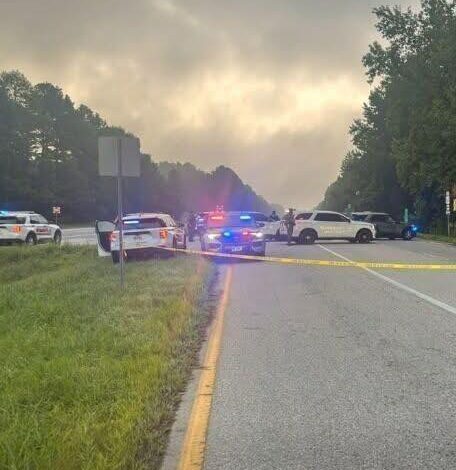
Just after sunrise, the practiced calm of the morning shift was shattered by a sound that no healthcare professional ever expects to hear within the walls of a sanctuary. Alarms pierced through the corridors, and security protocols were instantly activated as reports of a shooting began to flood the switchboard. What followed was a morning of terror that transformed a place of healing into a tactical battleground.
The incident centered on a 25-year-old hospital employee who was targeted in the attack. Amidst the chaos of the initial gunfire, the victim sustained injuries but miraculously survived the encounter. As the victim was rushed into emergency surgery within their own workplace, the hospital went into a state of total lockdown. Law enforcement arrived in force, establishing a perimeter and issuing urgent alerts to the surrounding community to avoid the area and shelter in place. The facility, typically bustling with the movement of patients and visitors, became a ghost town of locked doors and barricaded rooms.
As police moved room to room through the sprawling complex, a disturbing detail emerged: the suspected shooter was not a random intruder but a coworker of the victim. This revelation sent a secondary wave of shock through the staff, many of whom found themselves hiding in supply closets or under desks, wondering if the person they had shared coffee with just a day prior was the one stalking the hallways with a weapon. For several hours, the tension was suffocating as tactical units worked to corner the individual.
The standoff finally reached a conclusion when the suspect surrendered peacefully to authorities, ending the immediate threat without further bloodshed. However, the physical conclusion of the event was only the beginning of a much longer recovery process for the institution. Hospitals are globally regarded as safe havens—spaces dedicated exclusively to care, healing, and safety. When that sanctity is violated by internal violence, the psychological toll on the workforce is profound.
In the wake of the lockdown, the hospital administration shifted its focus toward emotional stabilization. Comprehensive support efforts were launched, including mandatory on-site counseling and trauma debriefing for the hundreds of employees who spent their morning in fear for their lives. The immediate community also rose in a powerful show of solidarity, organizing candlelight vigils and sending gestures of support to the frontline workers who were suddenly forced to become survivors.
The investigation into the motives behind the attack remains ongoing as forensic teams and detectives piece together the events that led to the sunrise shooting. While the suspect is now in custody, the questions surrounding workplace safety and the mental health of healthcare professionals have moved to the forefront of the public conversation. Attention has now turned to the difficult task of restoring a sense of security to the building. The hospital is working to implement new safety measures, but as many staff members have noted, it is much easier to fix a door than it is to heal the spirit of a team that has seen its sanctuary turned into a crime scene. As the victim continues to recover from their physical wounds, the entire community remains in a state of watchful mourning, hoping to reclaim the peace that was so violently stolen at daybreak.