A Rising Power Shakes Up the TikTok Dream
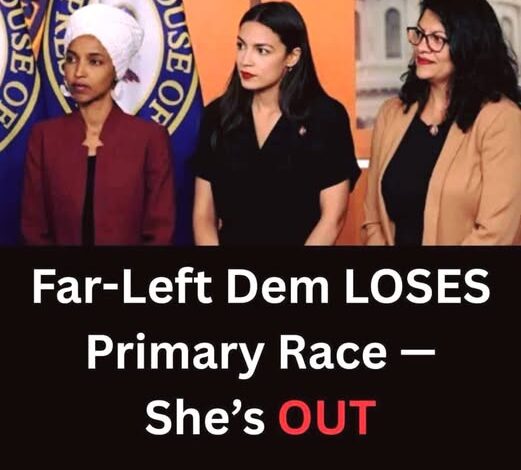
Progressive activists entered recent election cycles with a sense of optimism shaped by the digital age. Viral moments, compelling narratives, and massive online engagement created the impression that a new political formula had finally arrived.
Campaigns increasingly leaned into storytelling designed for social media, where emotional resonance, identity, and shareable content could rapidly capture national attention.
Many believed this approach could translate directly into real-world electoral success. In this environment, candidates who mastered digital communication were often seen as the future of politics.
Their ability to connect with large audiences online gave them visibility that traditional campaigns struggled to match.
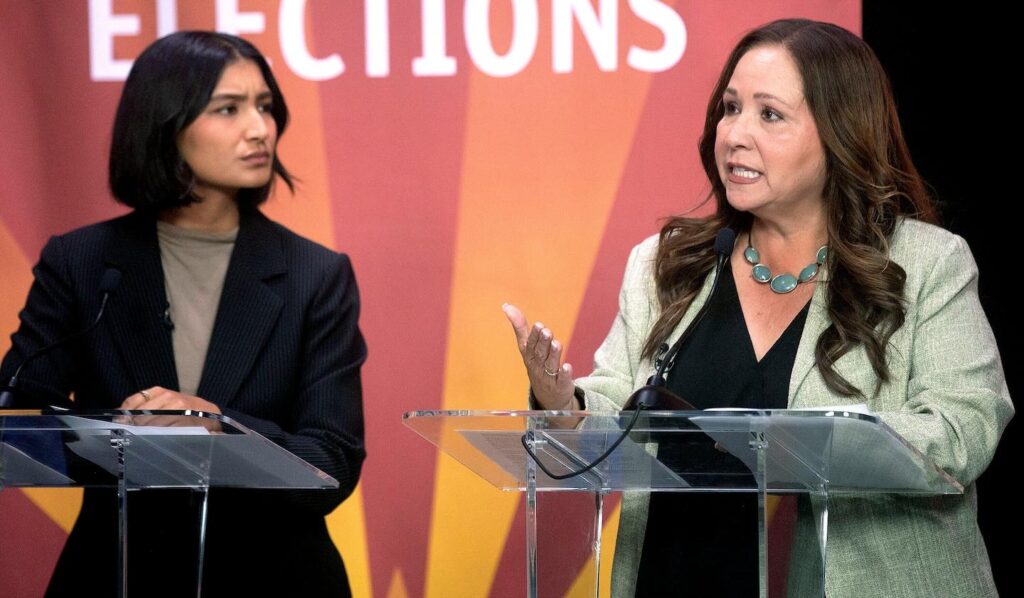
One such figure was Deja Foxx, a young activist who built a national profile through advocacy work and media appearances. Her campaign reflected the energy of modern progressive movements.
Foxx’s message emphasized urgency, representation, and personal experience. She spoke directly to issues affecting younger generations and marginalized communities, framing her candidacy as part of a broader movement for change.
Her campaign style was polished and media-savvy, designed to resonate across platforms like Instagram, TikTok, and Twitter. It felt immediate, accessible, and aligned with how many voters now consume political content.
For many observers, Foxx represented a new archetype of candidate—one who could combine activism, storytelling, and digital fluency into a compelling political brand. Her rise seemed to confirm that politics was evolving.
However, elections ultimately test more than visibility. When votes were counted in Arizona, Foxx lost to Adelita Grijalva, a candidate with a very different kind of strength.
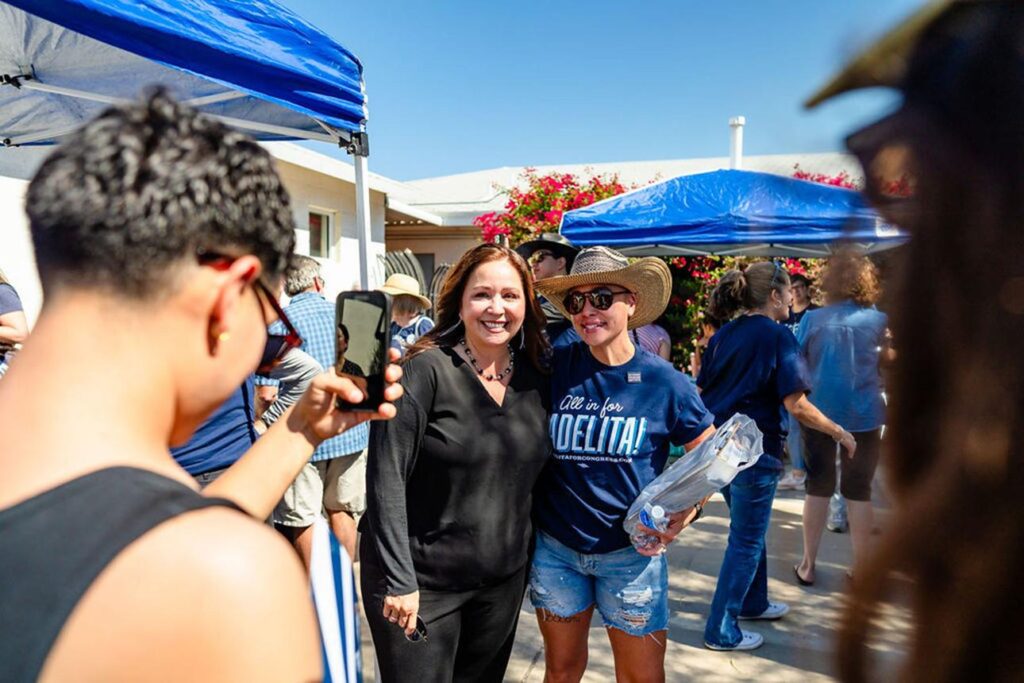
Grijalva’s campaign did not rely on viral moments or national attention. Instead, it was grounded in longstanding relationships within the community and a deep familiarity with local political dynamics.

As the daughter of longtime Congressman Raúl Grijalva, she carried a recognizable political name in the region. That legacy brought both visibility and trust built over decades.
More importantly, Grijalva had spent years engaged in local governance and community work. Her presence was not new to voters; it was consistent, tangible, and rooted in everyday interactions.
This contrast highlighted a crucial reality: online attention does not automatically translate into electoral support. Voters often prioritize familiarity, trust, and proven commitment over digital reach.
Foxx’s loss was not necessarily a rejection of her ideas or message. Instead, it revealed the limits of a campaign model that leans heavily on narrative without equally strong local infrastructure.
Political campaigns require more than compelling storytelling. They depend on networks of volunteers, field operations, voter outreach, and sustained engagement within specific communities.
These elements are less visible than viral videos or trending hashtags, but they are often decisive. Elections are won through consistent, ground-level work that builds relationships over time.
The Arizona race became a case study in the difference between attention and organization. It showed how digital momentum can create the appearance of inevitability without guaranteeing actual votes.
At the same time, it would be inaccurate to interpret the outcome as a broader rejection of progressive politics. The ideas themselves continue to resonate with many voters across the country.
Instead, the lesson is more nuanced. It suggests that the methods used to promote those ideas must be matched with equally strong efforts to build local credibility and trust.
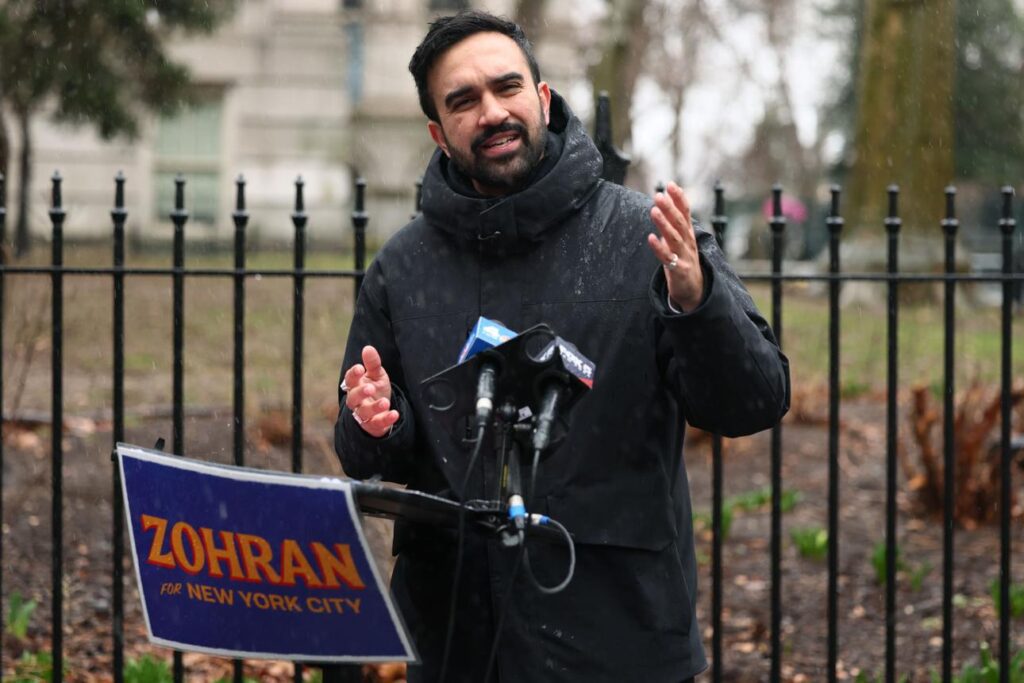
A different example can be found in the rise of Zohran Mamdani in New York. His political success offers a contrasting model of how progressive campaigns can succeed.
Mamdani did not rely primarily on viral fame or national recognition. His campaign was built through sustained grassroots organizing and direct engagement with the communities he sought to represent.
He worked closely with tenants, community groups, and local activists, focusing on issues like housing and economic justice. His approach emphasized presence rather than performance.
Instead of short bursts of online attention, Mamdani’s campaign unfolded gradually. It involved door-to-door conversations, community meetings, and long-term relationship-building with voters.
This method required patience and persistence. It did not generate the same level of national buzz as some high-profile campaigns, but it created a strong foundation of local support.
When Mamdani won his election, it demonstrated that progressive candidates can succeed when their campaigns are rooted in real-world organizing rather than primarily digital influence.
The contrast between these cases highlights a broader tension within contemporary Democratic politics. Different approaches to campaigning are competing to define the party’s future direction.
On one side are candidates who excel in the digital landscape. They understand how to craft narratives, build followings, and mobilize attention across platforms that shape modern discourse.
On the other side are candidates who focus on traditional organizing methods. They invest in local relationships, community presence, and the slow accumulation of trust.
Neither approach is inherently incompatible with the other. In fact, the most effective campaigns often combine elements of both, using digital tools to amplify strong on-the-ground operations.
However, problems arise when digital visibility is mistaken for political strength. Large audiences online can create a sense of momentum that does not always reflect actual voter behavior.
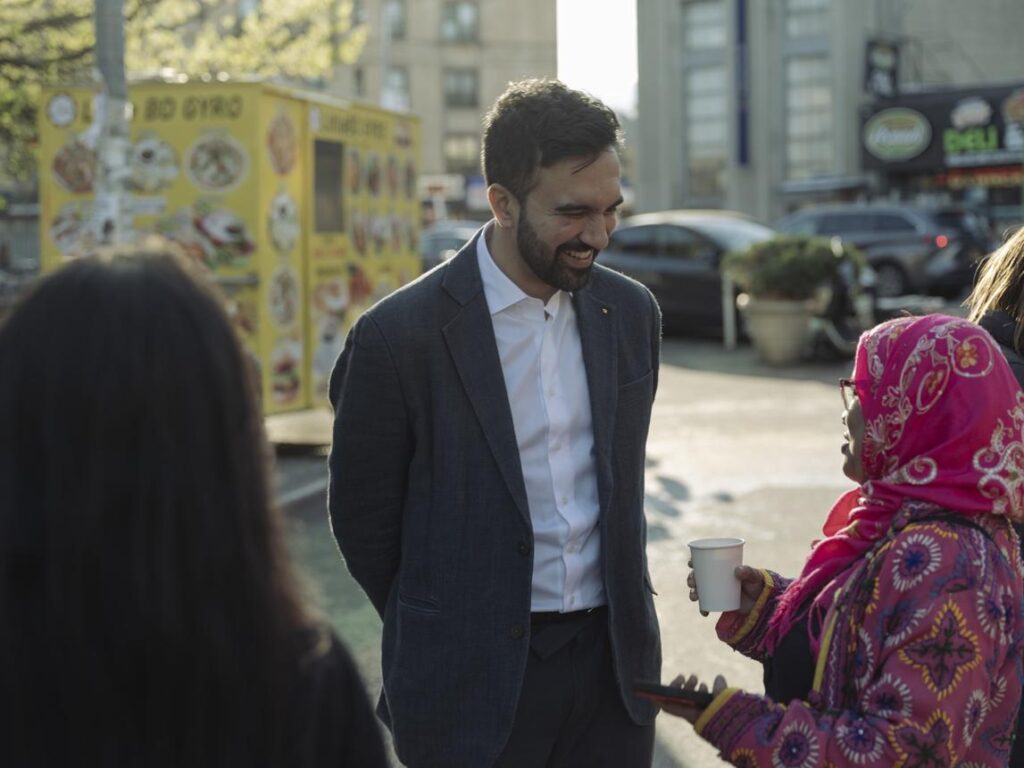
Elections remain fundamentally local. They are decided by people who vote based on their experiences, relationships, and perceptions of candidates within their own communities.
This reality places limits on the power of national attention. A campaign that resonates broadly may still struggle if it lacks deep roots in the specific district it aims to represent.
The divide between these approaches is not just about style. It reflects deeper structural differences in how campaigns are built and sustained over time.
Digital-first campaigns often prioritize messaging and visibility. Traditional campaigns prioritize organization and infrastructure. Both are important, but they serve different functions.
Understanding this distinction is critical for future candidates. Success requires more than being seen; it requires being known, trusted, and consistently present in the lives of voters.
The role of political institutions also remains significant. Established networks, endorsements, and party structures continue to shape outcomes, even in an era dominated by social media.
Candidates with strong institutional backing often benefit from existing relationships and resources that newer entrants may lack. These advantages can be decisive in close races.
At the same time, grassroots movements continue to play a vital role in shaping political change. They bring energy, new ideas, and pressure for reform within established systems.
The challenge lies in bridging the gap between these forces. Campaigns that successfully integrate grassroots energy with organizational strength are more likely to achieve lasting success.
The lessons from recent elections suggest that political strategy must evolve beyond simple reliance on virality. Attention is valuable, but it is only one part of a much larger equation.
Voters are not just audiences; they are participants in a process that values consistency, accountability, and tangible engagement. These qualities cannot be fully captured in a social media post.
Building trust takes time. It involves showing up repeatedly, listening to concerns, and demonstrating a genuine commitment to the community being represented.
This work is often invisible to those outside the district, but it is deeply meaningful to those within it. It shapes how candidates are perceived when it matters most.
The contrast between high-visibility campaigns and deeply rooted ones will likely continue to define political debates in the coming years. Each offers different strengths and limitations.
For progressive activists, the takeaway is not to abandon digital strategies, but to recognize their limits. Online engagement should complement, not replace, traditional organizing efforts.
Similarly, candidates with strong local ties can benefit from embracing digital tools to expand their reach and communicate their message more effectively.
The future of political campaigning will likely involve a hybrid model. Success will depend on the ability to integrate storytelling, technology, and grassroots organization into a cohesive strategy.
Ultimately, these elections reinforced a simple but important truth. Visibility can open doors, but it does not win elections on its own.
Voters continue to value authenticity, consistency, and demonstrated commitment. They want to know who has been present, who has listened, and who has done the work over time.
In that sense, politics remains grounded in human relationships, even as the tools used to navigate it continue to evolve.
The spotlight may draw attention, but it is the work done outside of it that often determines the final outcome.