Actor Known for ‘Batman’ and ‘Person of Interest’ Dies at 87
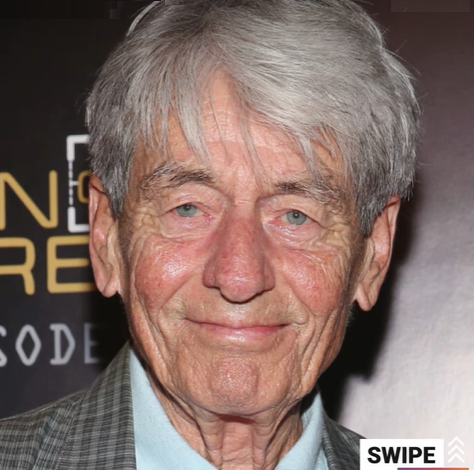
John Nolan is a British actor whose career spans stage, television, and film over several decades. Born in London on May 22, 1938, he developed a strong foundation in classical theatre before moving into screen acting work.
He trained at the Drama Centre London, a respected institution known for producing disciplined stage performers. His early education helped him build a solid command of performance techniques used in both classical and modern theatre.
In his early professional years, Nolan toured with an Irish theatrical company, gaining practical experience in live performance. These formative years helped him refine his acting style and adapt to diverse stage environments.
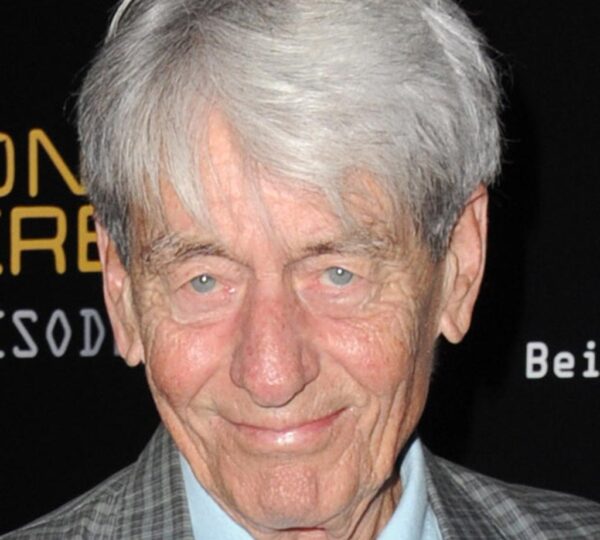
One of his early notable stage achievements included performing Romeo in “Romeo and Juliet” alongside actress Francesca Annis at the Richmond Theatre. This role contributed to his growing reputation in British theatre circles.
Nolan later joined the Royal Court Company, an influential British theatre group known for contemporary and experimental works. This period allowed him to expand his artistic range and collaborate with prominent stage professionals.
He also spent two years working with the Royal Shakespeare Company, one of the UK’s most prestigious theatre institutions. Royal Shakespeare Company
During his time with the Royal Shakespeare Company, he performed in classical productions such as “Julius Caesar,” “The Merry Wives of Windsor,” and “The Relapse,” strengthening his reputation in Shakespearean and Restoration theatre.
His transition to screen began to develop more clearly in the 1970s, when he started appearing in television productions. These early roles helped him bridge the gap between theatre and broadcast performance.
A significant early television breakthrough came with the 1970 BBC miniseries “Daniel Deronda,” where he played the title character. This performance introduced him to a wider television audience.
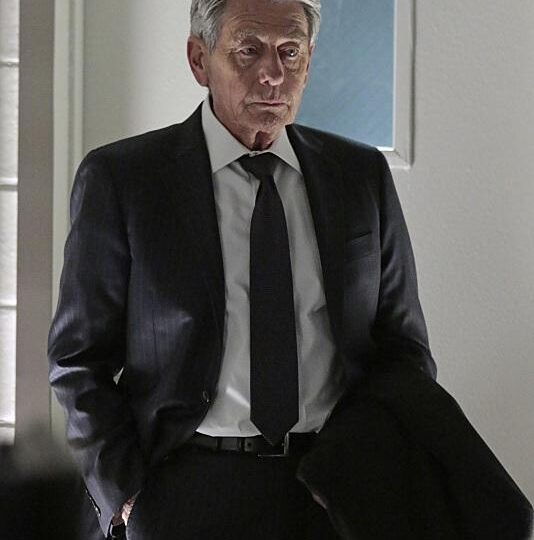
Following this success, Nolan continued to build his television presence with roles in British series that showcased his ability to portray complex and intellectual characters.
He appeared in the science fiction drama “Doomwatch,” playing scientist George Harcastle. The series was known for exploring environmental and scientific themes, and it helped establish his screen credibility.
He also featured in ITV’s drama series “Shabby Tiger,” further expanding his television portfolio during the early stages of his screen career.
Throughout the 1970s, Nolan continued to build a steady body of work in both television and film, gradually becoming a familiar face in British entertainment.
His film work during this period included appearances in productions such as “Bequest to the Nation” (1973), where he contributed to historical storytelling on screen.
He also appeared in “Terror” (1978), a horror-themed film that added variety to his acting resume and demonstrated his adaptability across genres.
Another film credit from this era includes “The World Is Full of Married Men” (1979), where he participated in a narrative centered on relationships and social complexity.
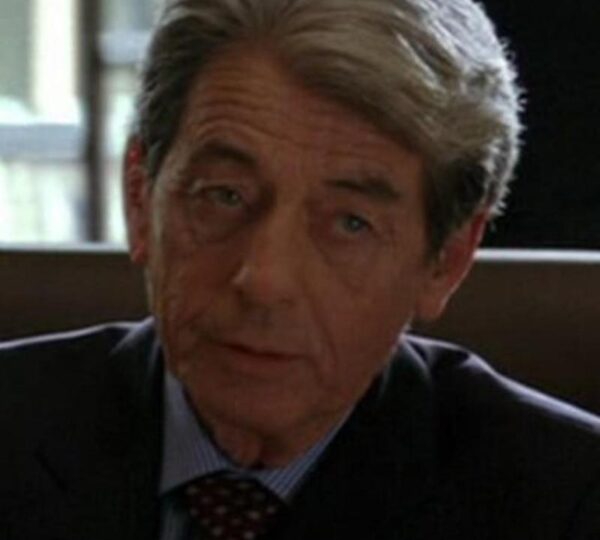
In addition to film and television, Nolan maintained involvement in guest appearances across various British TV series, including “The Prisoner,” which remains a cult classic.
He also appeared in long-running television dramas such as “General Hospital,” contributing to episodic storytelling popular with UK audiences.
Over time, Nolan became recognized not only for on-screen roles but also for his consistent presence in British dramatic productions across multiple decades.
In later years, he continued to appear in television series such as “Silent Witness,” maintaining a steady connection to contemporary British crime and drama programming.
His career took on a new international dimension in the late 1990s when he appeared in Following (1998), directed by his nephew Christopher Nolan.
This collaboration marked the beginning of a recurring professional connection with his nephew’s film projects, which would continue into major Hollywood productions.
In 2005, he appeared in Batman Begins, playing Douglas Fredericks, a board member at Wayne Enterprises, contributing to the film’s corporate storyline elements.
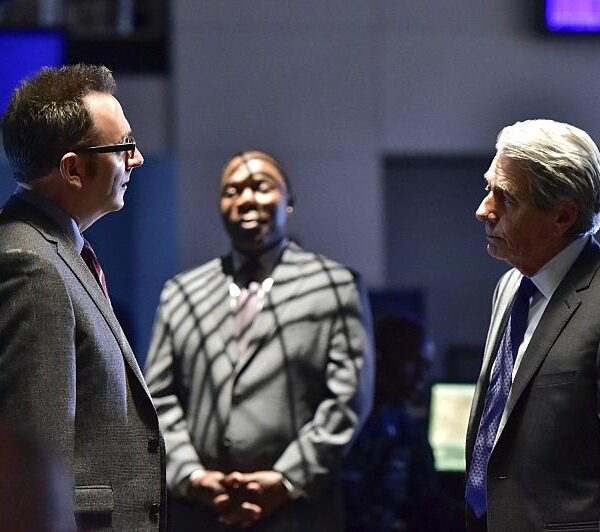
The film, directed and co-written by Christopher Nolan, helped redefine modern superhero cinema and introduced John Nolan to a global blockbuster audience.
He reprised a similar corporate role in The Dark Knight Rises (2012), again portraying Douglas Fredericks within the Wayne Enterprises storyline framework.
These appearances connected him to one of the most influential superhero trilogies in modern cinema history, widely praised for its grounded storytelling approach.
In 2017, he appeared in Dunkirk, another major production directed by Christopher Nolan, further strengthening their long-standing professional collaboration.
His role in “Dunkirk” contributed to a large ensemble cast depicting the historical evacuation during World War II, emphasizing realism and tension in wartime storytelling.
Beyond film, Nolan reached a new generation of viewers through television, particularly with his role in Person of Interest, which began in 2013.
In this series, created by Jonathan Nolan, he portrayed John Greer, a former MI6 agent who becomes a central antagonist within the show’s artificial intelligence storyline.
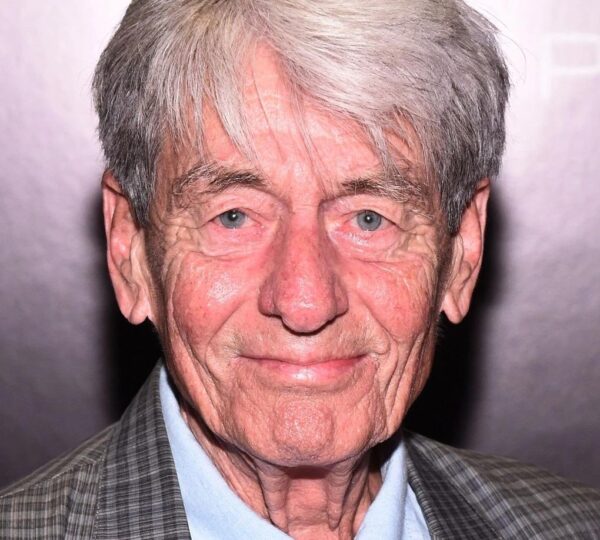
The character of John Greer is depicted as a strategic and calculating figure involved in the development and control of advanced surveillance technology.
His performance in “Person of Interest” was widely noted for its intensity and complexity, adding depth to the show’s exploration of ethics and artificial intelligence.
The series itself was known for blending procedural crime drama with science fiction themes centered on predictive technology and machine learning.
Through this role, Nolan gained recognition among international audiences who followed the show’s multi-season narrative arc.
Outside screen work, John Nolan has remained closely connected to theatre and classical performance traditions throughout his career.
He has consistently balanced stage work with television and film roles, demonstrating versatility across different performance mediums.
His long career reflects the evolution of British acting from classical theatre traditions to modern cinematic storytelling.
Nolan’s work in Shakespearean theatre remains an important foundation of his artistic identity and professional development.
He has been part of productions that emphasize language, timing, and emotional precision, key elements of classical stage acting.
Over the decades, his adaptability has allowed him to remain active in an industry that continuously changes in style and production methods.
His collaboration with younger generations of filmmakers, particularly within his family, highlights a unique cross-generational creative relationship.
Despite working on large-scale Hollywood productions, he has maintained a grounded presence rooted in traditional acting discipline.
John Nolan is also known for his personal life, including his marriage to actress Kim Hartman, with whom he has shared a long-standing family life.
Together, they have two children, Miranda and Tom, and several grandchildren, forming a close family unit alongside their professional careers.
His nephew Christopher Nolan has often cast him in supporting roles, reflecting both professional respect and long-term creative collaboration.
His career demonstrates how character actors can maintain longevity through consistent performance quality rather than leading roles alone.
Across theatre, television, and film, John Nolan has built a reputation for reliability, professionalism, and adaptability.
His performances often portray authority figures, intellectual characters, or individuals embedded within complex institutional systems.
This consistent casting reflects both his voice quality and his ability to convey controlled, disciplined emotion on screen.
Even in smaller roles, he contributes to narrative depth by grounding fictional worlds in believable human behavior.
His continued work into later life reflects dedication to acting as a lifelong craft rather than a temporary profession.
John Nolan’s legacy is closely tied to British theatre traditions and the modern evolution of cinematic storytelling.
His association with major film franchises and acclaimed television series ensures his work remains widely recognized by global audiences.
As an actor with decades of experience, he represents continuity between classical stage performance and contemporary screen acting.
His contributions across multiple decades highlight a career built on steady development rather than sudden fame.
Today, John Nolan is regarded as a respected veteran of British acting, with a body of work spanning theatre, film, and television.
His career remains a testament to disciplined training, long-term dedication, and the ability to adapt across changing entertainment industries.