Hunter Biden Makes Strong Claim Against Trump in Latest Remarks
Hunter Biden, the son of former U.S. President Joe Biden, has remained a frequent subject of political discussion and media attention due to both his personal legal issues and his public comments on American politics.
He has occasionally spoken in interviews about political figures, including Donald Trump, and his remarks are often framed within broader debates about accountability, political influence, and the role of public figures in modern American governance.
Hunter Biden’s personal history has been widely reported in the media, particularly during and after his father’s presidency, where his legal and personal challenges became part of national political discourse.
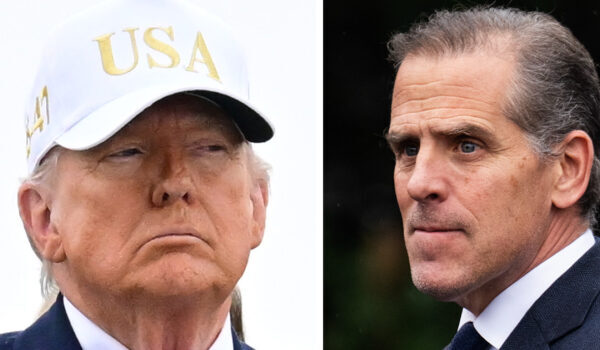
In 2023, Hunter Biden reached a plea agreement related to federal tax-related charges and a separate firearms-related case, both of which received extensive coverage in U.S. media and political commentary.
His legal situation became particularly notable because he is the son of a sitting U.S. president, which made the case highly visible and politically sensitive compared to similar cases involving private citizens.
In late 2024, President Joe Biden issued a presidential pardon for his son, a decision that sparked significant political debate and criticism from opponents, who viewed it as controversial.
The White House defended the pardon, with President Biden stating that his son had been treated unfairly in certain aspects of the legal process and emphasizing concerns about selective enforcement and political pressure.
Following this decision, political reactions were divided, with supporters viewing it as a personal and justified action, while critics argued it raised ethical and procedural concerns about presidential authority.
Donald Trump, who had been president-elect at the time of the pardon, publicly criticized the decision, calling it an example of political favoritism, which added further intensity to ongoing partisan debates.
In this broader political environment, discussions about ethics, business interests, and political influence have continued to play a central role in media coverage of both the Biden and Trump families.
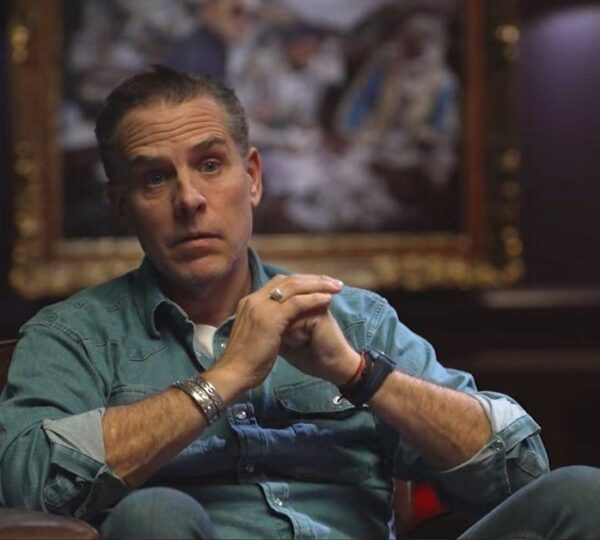
Hunter Biden has also participated in media interviews where he has discussed politics, media narratives, and his views on public criticism directed toward both himself and his family.
In an interview with MeidasTouch, a progressive media outlet, Hunter Biden expressed criticism of what he described as inconsistencies in how political and business-related conduct is publicly evaluated in the United States.
His comments were framed around broader concerns about political hypocrisy and the influence of wealth and business interests in American political life, rather than specific legal accusations.
It is important to note that some claims circulating online regarding specific financial transactions or business deals involving political families are not always independently verified by major credible news organizations.
In general, reports involving alleged conflicts of interest or financial benefits tied to political figures require confirmation from established investigative journalism sources or official disclosures before being treated as factual.
Hunter Biden has also been associated in public reporting with the technology and energy sectors through his past business activities, which have themselves been the subject of political scrutiny and investigation.
However, many of the more detailed allegations circulating on social media regarding large-scale financial arrangements involving political families are often disputed or lack clear confirmation from authoritative sources.
Public discourse around political families in the United States frequently includes competing narratives, where supporters and critics interpret the same events in very different ways depending on political perspective.
This polarization contributes to a media environment where statements from public figures are often amplified, debated, and sometimes taken out of context across various platforms.
Hunter Biden’s interviews and public statements are often interpreted within this broader political landscape, where commentary about ethics, business, and governance is highly scrutinized.
In his remarks, he has criticized what he views as inconsistent standards applied to political figures and their families, particularly in relation to public accountability and media coverage.
Such statements are part of ongoing political debates in the United States about transparency, influence, and the relationship between private business interests and public office.
The White House and political representatives have generally responded to questions about family-related controversies by emphasizing official policy positions and distancing presidential decision-making from private business activity.
In public communications, administration representatives typically stress that policy decisions are made in the national interest and are not influenced by private or family-related financial considerations.
These responses are standard in U.S. political communications, especially when questions arise about potential conflicts of interest involving public figures or their relatives.
At the same time, political opponents often raise concerns about ethics and governance, which contributes to ongoing partisan debate and media coverage across multiple platforms.
The situation reflects a broader pattern in modern American politics, where personal history, family connections, and public statements of political figures often become part of national debate.
This dynamic is intensified by social media, where political commentary spreads rapidly and can shape public perception even before full context or verification is available.
As a result, separating verified facts from commentary or speculation becomes an important part of responsible media consumption and political reporting.
In conclusion, Hunter Biden’s public statements and personal history continue to be discussed within a wider political context involving debates about ethics, transparency, and political influence in the United States.
While he has criticized perceived inconsistencies in political accountability, many specific claims circulating online require careful verification through credible journalistic or official sources before being considered factual.
Ultimately, the broader discussion reflects ongoing divisions in American political discourse, where narratives about public figures are often shaped by interpretation, perspective, and media framing.