THE SECRET REASON YOUR DOG SNIFFS YOUR MOST PRIVATE AREAS REVEALED AND WHAT THEIR POWERFUL NOSE ACTUALLY SAYS ABOUT YOUR DEEPEST EMOTIONS AND HEALTH
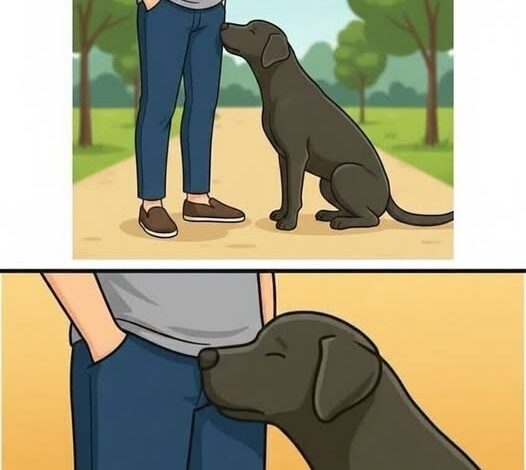
To be a dog is to experience the world through scent rather than sight or language. While humans rely on words and visuals, dogs interpret their surroundings through an intricate map of smells. Their noses function like highly advanced biological tools, capable of detecting details we can’t even imagine. One behavior that often confuses or embarrasses people—the tendency for dogs to sniff intimate areas—is actually a natural and meaningful part of how they understand others.
This instinct is closely tied to specialized sweat glands in the human body, particularly those located in areas like the underarms and groin. These glands release chemical signals, often referred to as pheromones, which carry information about a person’s identity. When a dog sniffs these areas, it isn’t being inappropriate—it’s gathering data. Through scent, a dog can pick up clues about age, biological sex, emotional state, and even certain aspects of health. For them, this is a normal form of introduction, similar to how humans might greet each other with conversation.
The discomfort people feel comes from human social norms around personal space and privacy—concepts that don’t exist in the same way for dogs. Their world is built on direct sensory input, not social rules. What feels awkward to us is simply curiosity and communication to them. With gentle training and cues like “sit” or “leave it,” dogs can learn to adjust their behavior, but the instinct itself is deeply rooted and not harmful.
Beyond identification, a dog’s sense of smell allows it to detect subtle changes in human emotions. When we feel stressed, anxious, or happy, our bodies release chemicals such as cortisol and adrenaline. Dogs can sense these shifts long before we show visible signs. That’s why they often respond to our moods—offering comfort when we’re down or becoming alert when something feels off.
This same ability is what makes dogs invaluable in roles like service and medical support. Trained dogs can detect early signs of conditions such as seizures, low blood sugar, or panic episodes, responding before a person is even aware of what’s happening. Their natural sensitivity to chemical changes becomes a powerful tool for care and protection.
Seen from this perspective, even the most awkward canine behaviors take on a different meaning. When a dog leans in to sniff, it’s not crossing a boundary—it’s trying to understand, connect, and recognize. Scent, for them, is memory, identity, and communication all at once.
In the end, this behavior reflects something deeper than curiosity. It’s part of a system that allows dogs to form strong, intuitive bonds with humans. They don’t rely on appearances or words—they respond to something more fundamental. Through scent, they “read” us in a way that goes beyond surface-level interaction.
So while it might feel uncomfortable in the moment, it’s worth remembering: to a dog, that simple sniff is a way of saying, “I know you.”