Patient Files Lawsuit Against OB-GYN Following Disagreement Over Treatment Scope

This case involves a series of legal complaints filed in Canada by a transgender woman, widely reported under the name Jessica Yaniv, also known in some public records as Jessica Simpson, which drew significant public attention between 2018 and 2021.
The situation became widely discussed after Yaniv filed multiple human rights complaints against several small business owners in British Columbia, particularly estheticians who provided personal grooming services such as waxing treatments.
These complaints centered on allegations that she was denied services at certain establishments, which she argued was discriminatory based on gender identity, while service providers stated concerns about training, safety, and professional qualifications.

Some of the businesses involved were small, home-based operations run by independent workers, many of whom had limited resources and specific service boundaries based on client anatomy and training.
Under professional cosmetology standards, certain procedures are typically categorized differently depending on anatomy and practitioner certification, which became part of the broader legal and factual discussion in the case.
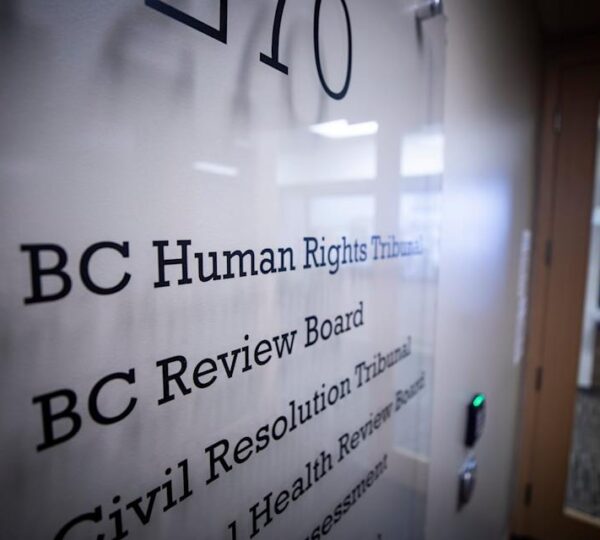
The British Columbia Human Rights Tribunal later reviewed several of the complaints, which became a landmark case in terms of how service provision intersects with gender identity protections under provincial law.
In its decision, the tribunal dismissed multiple claims and ordered Yaniv to pay damages to some respondents, stating that certain complaints were not supported under the legal framework presented.
The tribunal also commented on conduct during proceedings, noting concerns about the nature of some claims and interactions within the legal process, which contributed to the final outcome.
The case drew widespread media attention across Canada and internationally, leading to public debate about human rights protections, service accessibility, and professional boundaries in small businesses.
Following the tribunal decision, Yaniv continued to make additional complaints involving different public services and institutions, which further increased public scrutiny of the case.
One widely reported issue involved interactions with local emergency services, where authorities later stated that repeated calls for non-emergency assistance placed strain on public resources.
Officials from the Langley Fire Department issued a formal communication reminding individuals that emergency services are intended for urgent situations involving risk to life, safety, or property.
The department also emphasized the importance of appropriate use of emergency response systems to ensure availability for critical incidents within the community.
In addition to these matters, Yaniv also submitted complaints regarding access to certain medical services, including discussions involving gynecological care providers.
These complaints raised broader questions in public discourse about healthcare accessibility for transgender individuals and how medical services are structured based on biological and anatomical needs.

Medical professionals generally distinguish between care based on reproductive anatomy and care related to gender identity, which became a central point in public discussion surrounding the case.
Healthcare guidelines in many jurisdictions indicate that gynecological care is typically provided to individuals with specific reproductive anatomy, while transgender healthcare may involve specialized providers depending on medical transition status.
The case therefore contributed to wider debate about how healthcare systems can appropriately accommodate diverse patient needs while maintaining clinical standards and safety requirements.
Public reactions to the case were highly divided, with some individuals focusing on human rights considerations and others emphasizing professional limitations and service scope.
Legal experts noted that the case highlighted tensions between anti-discrimination protections and the practical application of service qualifications in small independent businesses.
Over time, the case became widely discussed in media commentary, online forums, and public policy discussions related to gender identity and service access.

Some advocacy groups argued that the case illustrated gaps in training and clarity for service providers when addressing transgender clients in certain industries.
Others emphasized the importance of clear professional boundaries and appropriate service categorization to ensure safety, competence, and compliance with industry standards.
The British Columbia Human Rights Tribunal decision remains one of the most cited outcomes in discussions about service refusal complaints involving gender identity in Canada.
It is often referenced in legal and academic contexts as an example of how human rights claims are assessed alongside evidence, professional standards, and procedural conduct.
Following the conclusion of major tribunal proceedings, no further significant legal updates have changed the outcome of the original rulings as publicly reported.
The case has also been discussed by commentators and public figures, sometimes in highly controversial or satirical contexts, contributing to broader public debate.
However, legal professionals generally emphasize that tribunal decisions are based on evidence presented and statutory interpretation rather than public opinion or media narratives.

Healthcare experts involved in public commentary on similar cases often stress that medical care must be aligned with anatomical needs, professional training, and clinical safety guidelines.
At the same time, discussions around transgender healthcare continue to evolve, with increasing focus on inclusive policies and specialized care pathways within modern healthcare systems.
The case involving Jessica Yaniv remains a reference point in ongoing debates about how legal systems, healthcare providers, and service industries navigate complex questions of identity and professional scope.
It also highlights the importance of distinguishing between legal findings, public commentary, and broader social debates when interpreting high-profile cases.
In conclusion, the matter reflects a combination of legal proceedings, service provision limitations, and public discourse around gender identity and healthcare access in Canada.
The case continues to be discussed in media and policy contexts as an example of the challenges involved in balancing rights protections with professional and regulatory standards.