Cracker Barrel Quietly Unleashes Controversial New Rules for Travel and Dining That Are Changing Everything You Know About the Iconic Roadside Legend
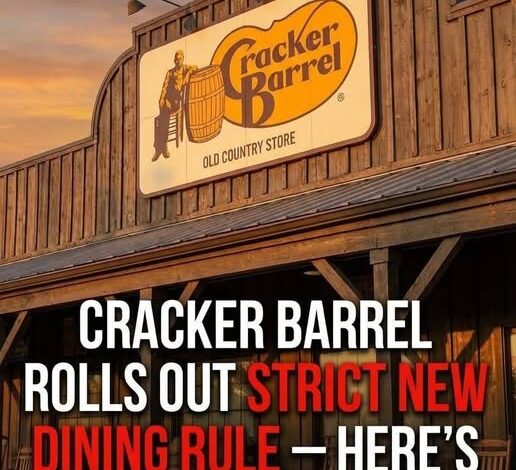
For more than half a century, the American landscape has been defined by a specific silhouette against the horizon: the pitched roof and inviting wooden porch of Cracker Barrel Old Country Store. Since its inception in 1969, the brand has been more than just a restaurant; it has functioned as a cultural landmark, a reliable sanctuary for the weary traveler, and a bastian of nostalgia in an increasingly fast-paced world. The scent of woodsmoke, the rhythm of rocking chairs, and the comfort of homemade biscuits have long been the pillars of its reputation. However, as the year 2026 unfolds, this titan of southern hospitality finds itself at a critical crossroads, navigating a complex landscape of shifting consumer expectations, modern corporate restructuring, and a delicate internal overhaul of its travel and dining guidelines.
The challenge facing Cracker Barrel is one shared by many legacy brands: how do you evolve for a digital-first, health-conscious, and fast-moving generation without alienating the loyalists who have made your brand a cornerstone of their lives? The answer, it seems, lies in a series of strategic pivots that have recently come to light, sparked by a need to modernize the brand’s infrastructure while clinging desperately to the “country charm” that serves as its primary currency. This evolution began with a visual identity crisis that sent shockwaves through its fan base. A few years ago, the company attempted to refresh its logo and streamline its restaurant interiors. The goal was a sleeker, more contemporary aesthetic designed to appeal to younger demographics who might find the cluttered, antique-heavy atmosphere of the traditional stores a bit overwhelming.
The backlash was swift and visceral. To many longtime patrons, the traditional Cracker Barrel interior isn’t just decor; it is a museum of Americana. The tools hanging on the walls, the vintage signs, and the dim, cozy lighting are essential to the dining experience. Seeing these elements modernized felt, to some, like a betrayal of the brand’s core promise. Recognizing that they had perhaps leaned too far into the future, the company demonstrated a rare level of corporate humility. They adjusted their approach, restoring many of the classic design elements while maintaining subtle, back-end improvements to kitchen efficiency and digital ordering systems. This “course correction” served as a powerful reminder that in the world of hospitality, identity is everything.
Beyond the physical aesthetics of the stores, the company has recently turned its focus inward, specifically targeting how it manages its internal workforce and corporate culture. New reports concerning Cracker Barrel’s employee travel policies have begun to circulate, drawing significant public attention and curiosity. In an era where brand loyalty is often questioned, the company has introduced updated guidance for staff members traveling on official business. While initial rumors suggested a rigid mandate, company representatives have clarified that the new guidelines are intended to foster a deeper connection between the staff and the brand they represent. Employees are encouraged to dine at Cracker Barrel locations while on the road, a move designed to ensure that those behind the scenes are intimately familiar with the guest experience from the other side of the table.
This internal push is part of a broader effort to refine expense policies and meal reimbursements. By providing clearer, more streamlined guidelines for travel, Cracker Barrel is attempting to balance fiscal responsibility with a commitment to employee support. The company has emphasized that while dining at their own establishments is highly encouraged to reinforce brand spirit, it remains a guideline rather than a strict requirement, allowing for flexibility when logistical needs or dietary requirements dictate otherwise. This subtle shift in corporate policy highlights a fascinating trend in modern business: the realization that employees are a brand’s first and most important ambassadors. If the staff doesn’t live the brand, the customers certainly won’t.
However, the road to modernization is rarely smooth. These updates to travel and dining guidelines come at a time when the restaurant industry is grappling with soaring food costs, labor shortages, and a radical shift in how people perceive value. For Cracker Barrel, “value” has always been measured in the weight of a plate of meatloaf or the warmth of a server’s smile. As they update their guidelines, they are also forced to look at their menu through a modern lens. This has led to the introduction of more diverse options, including lighter fare and plant-based alternatives, which—much like the logo change—met with a mix of celebration and skepticism. The challenge is maintaining the integrity of the “Sunday dinner” experience while acknowledging that today’s traveler might be looking for something a bit different than the traveler of 1975.
The recent shifts at Cracker Barrel serve as a fascinating case study in brand preservation. It is a story of a company trying to grow up without losing its soul. By updating its travel policies and refining its dining guidelines, the brand is signaling that it is ready for the future, even if that future looks a little less like an old country store and a little more like a modern corporate entity. They are betting on the idea that hospitality is an evergreen commodity, provided it is delivered with a sense of authenticity. The rocking chairs remain on the porch, but the systems running the kitchen and the policies governing the staff are being rewired for a new century.
Ultimately, the changes at Cracker Barrel are a reflection of a changing America. We are a nation that craves the comfort of the past but demands the efficiency of the future. Whether the brand can continue to satisfy both appetites remains to be seen. What is clear, however, is that the wooden porch and the peg game on the table are no longer enough to guarantee success. It requires a thoughtful, sometimes painful, evaluation of every aspect of the business—from the way an executive files an expense report to the way a cook prepares a pan of cornbread. As these updated guidelines take effect, the eyes of the industry are on the country store, waiting to see if this old dog can truly master the new tricks of a modern market. The legacy of the brand depends on its ability to evolve thoughtfully, refining its values without abandoning the very things that made it a household name in the first place. For now, the music plays on, the rocking chairs move, and the brand moves forward, one biscuit at a time, into an uncertain but promising tomorrow.