7 Changes Your Body May Experience After a Long Period Without Intimacy
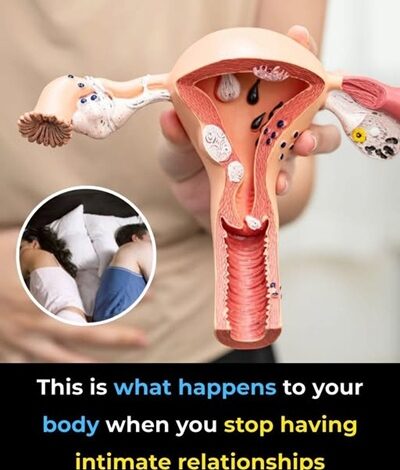
Sex is widely recognized in medical and psychological research as a natural part of human life. When it occurs in a safe, consensual, and healthy context, it can contribute positively to both physical and emotional well-being. However, its effects on the body are complex and influenced by many factors, including stress levels, lifestyle, relationship quality, and overall health. Because of this, scientists have studied not only the benefits of sexual activity but also what may happen during periods of abstinence, when a person does not engage in sexual activity for an extended time.
One of the most commonly discussed areas related to sexual activity is stress regulation. Research suggests that sexual activity can temporarily reduce levels of stress hormones such as cortisol while increasing hormones associated with pleasure and bonding, including dopamine and oxytocin. These chemical changes may contribute to improved mood and relaxation in some individuals. However, it is important to understand that stress can also be managed effectively through many other healthy activities such as exercise, sleep, meditation, and social connection, meaning sex is only one of several contributing factors.
When sexual activity decreases or stops for a period of time, the body does not “shut down” or malfunction. Instead, it adapts to the change. Sexual desire is not like hunger or thirst, which continuously increases if unmet. Libido can fluctuate over time based on emotional state, relationship status, fatigue, and psychological well-being. In many cases, individuals naturally adjust to periods without sex, and desire may decrease temporarily or remain stable depending on personal circumstances.
One physical aspect often discussed in medical literature is changes in genital tissue health, particularly in women. Vaginal tissue is naturally self-lubricating and responsive to hormonal changes. During periods of reduced sexual activity, some individuals may notice temporary changes in comfort or lubrication, especially during sexual activity after a long break. This is not a permanent condition and is influenced more strongly by hormonal levels, aging, and overall health than by sexual frequency alone. Regular arousal and pelvic floor activity may support tissue flexibility, but absence of sex does not cause permanent damage.
Pelvic floor muscles, which support bladder, bowel, and sexual function, can also be influenced by multiple factors including age, childbirth, exercise habits, and general physical health. These muscles, like any other muscles in the body, benefit from regular use and strengthening exercises such as Kegels. However, reduced sexual activity alone does not automatically weaken them to a harmful degree. Instead, overall lifestyle and physical activity levels play a more significant role in pelvic health.
Another commonly discussed concept is changes in sexual responsiveness after a period of abstinence. Some individuals report that it may take more time to become physically aroused after a break, while others experience no noticeable difference. These variations are normal and depend heavily on psychological comfort, emotional connection, and physical stimulation rather than abstinence itself. The body remains fully capable of responding to sexual stimulation regardless of the time elapsed since last activity.
Touch deprivation, sometimes referred to as “skin hunger,” is another important factor related to human connection. Physical touch, including hugs, hand-holding, or affectionate contact, plays a role in emotional regulation and bonding. When people experience long periods without physical affection, they may feel increased loneliness or emotional distance. However, this is not limited to sexual touch alone, as non-sexual physical contact also contributes significantly to emotional well-being and stress reduction.
Scientific studies have also explored the relationship between sexual activity and immune function, though results are mixed and should be interpreted carefully. Some research suggests that regular sexual activity may be associated with small changes in immune markers, possibly due to stress reduction and improved sleep quality. However, it is equally important to note that many other lifestyle factors—such as nutrition, exercise, and sleep—have a much stronger and more consistent impact on immune health.
Sleep quality is another area where sexual activity may have indirect effects. Some individuals report improved sleep after sexual activity, which may be related to hormonal changes and relaxation following physical intimacy. However, sleep quality can also be significantly improved through consistent sleep schedules, reduced screen exposure, and stress management techniques. Sexual activity is only one of many possible influences on rest and recovery.
Mental and emotional well-being can also be influenced by sexual activity, but again, the relationship is not straightforward. Sex can contribute to feelings of closeness, emotional bonding, and self-esteem in some individuals, particularly within stable relationships. At the same time, emotional health is shaped by a wide range of factors including social support, personal fulfillment, mental health conditions, and life circumstances. A lack of sexual activity does not automatically lead to emotional distress.
It is also important to address common misconceptions. One of the most widespread myths is that abstinence causes permanent physical harm or dysfunction. Current medical understanding does not support this claim. The human body is adaptable, and sexual function is influenced by hormones, neurological responses, emotional state, and overall health rather than frequency alone. Any changes experienced during periods of abstinence are generally temporary and reversible.
In men, studies have explored links between sexual frequency and certain aspects of reproductive health, including erectile function. Some findings suggest that regular sexual activity may support erectile responsiveness in some individuals, but these outcomes are also influenced by cardiovascular health, psychological factors, and lifestyle choices. Therefore, sexual activity should not be viewed as a sole determinant of sexual function or long-term health.
Overall, sexual activity can be one of many components contributing to human well-being, but it is not a requirement for physical or emotional health. Many people experience healthy, fulfilling lives during periods of abstinence for personal, medical, or situational reasons. The body and mind are both highly adaptable, and well-being depends on a broad combination of lifestyle habits rather than any single activity.
In conclusion, sex can have positive effects on stress, mood, intimacy, and relaxation, but its absence does not inherently cause harm. The human body remains stable and functional without regular sexual activity, adjusting naturally to changes in behavior and lifestyle. Understanding this helps remove stigma and promotes a more balanced, science-based view of sexuality, health, and human connection.