DOCTORS WARN THIS SMALL SKIN MARK COULD TURN SERIOUS FAST WHAT YOU NEED TO KNOW NOW
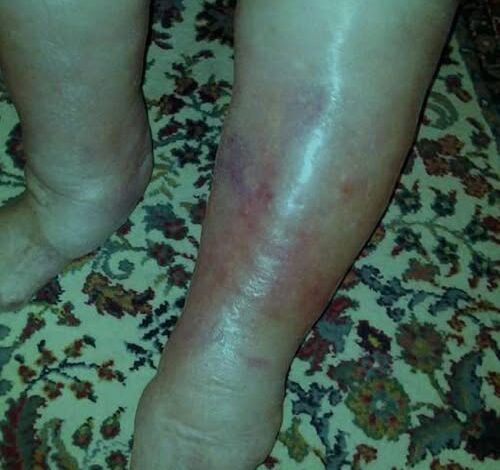
The majority of people overlook minor skin changes. An area that appears inflamed, some swelling, and a patch of redness It’s simple to think it will go away on its own or that it’s only a small reaction. However, if something is not identified right away, it can sometimes turn into something far more serious.
Erysipelas, a bacterial infection that affects the skin’s outer layers and can spread swiftly if ignored, is one illness that emphasizes this risk.
Although it may initially look like a straightforward rash or irritation, its behavior distinguishes it. In contrast to minor skin conditions that progressively worsen, erysipelas frequently manifests abruptly, sometimes within hours, bringing with it obvious changes that may worsen more quickly than anticipated.
Usually, the infection is brought on by a particular kind of bacteria called group The same bacteria that causes ailments like strep throat is called Streptococcus. Even the tiniest skin break can allow it to enter the body, where it can travel via the lymphatic system and cause edema, inflammation, and a powerful immunological reaction.
Because of how simple it is to ignore the early warning signs, this illness is very problematic. An entry site can be created by a tiny cut, scratch, or even bug bite, and many people are completely unaware of these minor injuries. The infection may be worsening by the time symptoms become apparent.
The appearance of the afflicted skin is one of the most identifiable characteristics of erysipelas. The region frequently gets warm to the touch, bright red, bloated, and has distinct edges that set it apart from the surrounding skin. According to some, the infection appears to be highlighted against the rest of the body with a raised border.
Although it usually affects the lower legs, it can also show up on the face, especially around the nose and cheekbones. In cases involving the face, the swelling may be more noticeable and spread quickly, causing discomfort and worry in a short amount of time.
There are frequently systemic repercussions that indicate the body is battling an infection in addition to the obvious symptoms. Fever, chills, exhaustion, and an overall sense of illness can appear suddenly. Sometimes, these symptoms are misdiagnosed as a different sickness when they are actually related to the skin infection.
One of the traits that distinguishes erysipelas is how quickly it develops. By the end of the day, what may begin as a tiny patch of redness in the morning might grow considerably larger and more uncomfortable. Because of its quick development, early detection is crucial.
Knowing how the virus starts helps to explain why it can spread so rapidly. The lymphatic vessels, which are a component of the body’s immune and fluid control systems, allow the bacteria to enter through a skin break. As they proliferate, they cause inflammation, which results in the surface-visible swelling and redness.
The likelihood of acquiring this illness is increased by specific circumstances. People with long-term skin problems like eczema or athlete foot may have more frequent skin breaks, which makes it easier for bacteria to enter. People with disorders that impair lymphatic drainage or circulation, like lymphedema, are also more vulnerable.
Obesity, diabetes, and a compromised immune system are other contributing factors. Each of these can affect the body’s capacity to prevent infection or maintain good skin, which makes it easier for germs to proliferate.
Erysipelas may also be more common in those who have already had it. Recurrent infections frequently point to an untreated underlying problem, such as inadequate circulation or persistent skin injury.
Because the illness has a distinctive appearance and typical symptoms, diagnosing it is typically simple for medical professionals. Additional testing, such as blood work, may occasionally be carried out, particularly if there is a suspicion that the infection has moved beyond the skin.
Antibiotics are usually used in treatment, and depending on the severity of the illness, they can be given intravenously or orally. Medication for pain and inflammation can also be used to control discomfort.
Elevating the afflicted area can assist minimize swelling in limb infections, while rest and enough hydration aid in the body’s healing process. Once treatment starts, most people start to feel better within a few days, but even if symptoms start to go away, the entire course of antibiotics must be finished.
If therapy is stopped too soon, the germs may continue to grow, raising the possibility of problems or a recurrence.
And early response is crucial because of those complexities.
Untreated erysipelas might have more detrimental effects. More significant harm could result from the infection spreading to deeper tissue layers. Abscesses may occasionally develop, necessitating further medical care.
One of the biggest hazards is that the infection could enter the bloodstream and cause sepsis, a potentially fatal illness that needs to be treated very away.
Additionally, recurrent infections may worsen lymphatic system damage, resulting in a cycle that gets harder to control over time.
Despite these dangers, erysipelas is very treatable if caught early. The secret is realizing that a sudden change in skin, particularly if it is accompanied by systemic symptoms, should not be disregarded.
Early intervention and prevention depend heavily on awareness. People can seek treatment before difficulties arise if they know what to look for and how rapidly the condition might develop.
It also emphasizes how crucial basic skin care is. The likelihood of bacteria entering the body can be decreased by keeping skin clean, shielding it from harm, and treating small wounds right away.
Regular medical advice can help control risk factors and stop future episodes for people with underlying medical illnesses or recurrent problems.
This illness stands out not only because of how it looks but also because of the lesson it teaches. If ignored, something that initially appears trivial can develop into a major health issue.
This serves as a reminder that the body sends signals for a reason. Paying attention to those signals and taking prompt action can significantly improve results in a world where individuals are frequently ready to ignore minor symptoms.
Erysipelas may start out as a little skin imperfection, but if left untreated, it can have far-reaching effects.
A potentially dangerous situation can be managed and remedied by identifying the warning signals, acting quickly, and appreciating the significance of early care.
And that’s the difference between something that goes unnoticed and something that turns out to be lot more deadly than it seems.