Denzel Washington Moved to Tears While Sharing a Final Message for a Brave Young Boy Who Touched Hearts
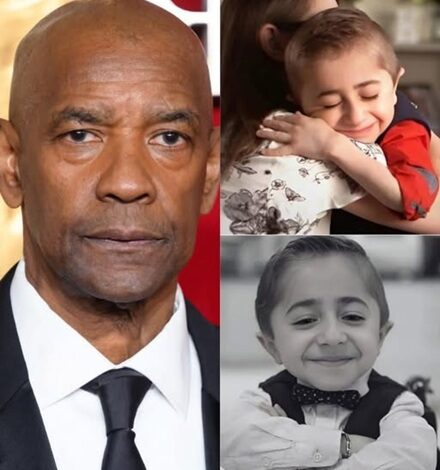
In many inspirational stories shared online, a young boy named Kaleb is often described as a symbol of extraordinary courage in the face of rare medical challenges. While individual details of viral narratives can vary across platforms. The condition often associated with his story is Osteogenesis Imperfecta, a real genetic disorder that affects bone strength and can make fractures occur with minimal impact or stress. This condition is known for its medical complexity and lifelong challenges.
It requires continuous care, frequent medical supervision, and specialized treatment to help patients maintain mobility and reduce injury risks. For children born with this condition, everyday life often involves careful movement, medical support, and strong family involvement from an early age. Within inspirational accounts, Kaleb is often portrayed as a child who faced these challenges with emotional strength and optimism.
Stories describe him not only as someone living with medical difficulties, but also as someone who inspired those around him through positivity and resilience. While such narratives are widely shared, they are best understood as symbolic representations of courage rather than documented biography. Medical conditions like osteogenesis imperfecta can significantly affect childhood experiences.
Activities that most children take for granted—running, playing, or even simple movement—require caution and awareness. Families caring for children with such conditions often develop strong emotional bonds and adaptive routines that prioritize both safety and emotional well-being.
In many versions of this story, Kaleb is described as having received care from specialized pediatric hospitals focused on rare bone disorders. Institutions like these play an important role in providing orthopedic treatment, rehabilitation, and long-term care for children with complex medical needs. Their work often includes both physical treatment and emotional support for families.
Inspirational narratives often highlight how children facing medical adversity develop unique emotional resilience. They adapt to challenges with courage that surprises even adults, learning to navigate life with patience and strength beyond their years. These qualities are frequently emphasized in stories shared to inspire awareness and compassion.
Some versions of the story also reference public attention or awareness campaigns involving well-known figures from entertainment or philanthropy. However, such connections are often symbolic or unverified in viral storytelling, and should not be treated as confirmed factual events. What remains consistent is the broader message of empathy and support for children with rare conditions.
In real life, public awareness about rare diseases often grows through storytelling, advocacy, and medical outreach programs. These efforts help increase funding for research, improve treatment options, and provide families with better access to care. Awareness campaigns also help reduce misunderstanding and isolation experienced by affected children.
The emotional core of such stories often centers on resilience—the ability to remain hopeful despite physical limitations. Children living with chronic conditions frequently become powerful examples of emotional strength within their families and communities. Their experiences often inspire educational discussions about disability, inclusion, and medical innovation.
Another important aspect highlighted in these narratives is the role of family support. Parents and caregivers often dedicate their lives to ensuring safety, emotional stability, and access to medical care. Their commitment becomes a foundational part of the child’s ability to navigate daily challenges.
In broader terms, stories like this also reflect how society responds to vulnerability. They encourage compassion, awareness, and collective responsibility toward individuals facing medical hardship. Even when details vary in online versions, the underlying message remains focused on human strength and empathy.
Healthcare professionals working with conditions such as osteogenesis imperfecta emphasize the importance of multidisciplinary care. This includes orthopedic treatment, physical therapy, and psychological support to help children maintain both physical health and emotional well-being throughout their development.
As these stories circulate online, they often take on symbolic meaning beyond their original context. They become representations of hope, resilience, and the belief that human strength is not defined by physical ability alone, but by emotional endurance and determination.
While viral narratives may include emotional storytelling elements, it is important to distinguish between verified medical facts and inspirational interpretation. The real condition, osteogenesis imperfecta, is well-documented in medical literature and continues to be an area of ongoing research and treatment development.
Ultimately, stories like this remind readers of the importance of kindness and awareness toward those living with rare medical conditions. They encourage a deeper understanding of how individuals and families adapt to lifelong challenges with courage and dignity.
Whether or not every detail in viral versions is accurate, the message they aim to convey remains powerful: resilience can exist even in the most difficult circumstances, and hope can be found in the way people choose to face adversity.