If you have visible veins, it means you are….
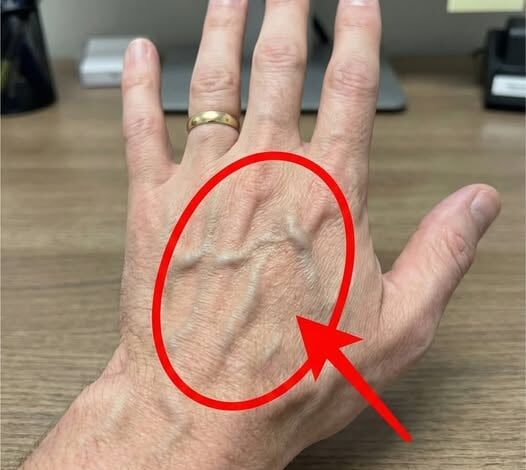
Those bluish lines visible beneath your skin can immediately trigger concern and make you wonder if something is wrong. At first glance, they may look like a warning sign, something unusual or alarming—but in many cases, they are simply a natural part of your body becoming more noticeable. Veins that appear darker, slightly thicker, or more pronounced than before can feel unsettling, especially when they show up clearly on areas like your hands, arms, or legs.
However, this visibility doesn’t automatically mean there is a problem. Often, it just means your veins are easier to see—not that they are unhealthy. Factors such as getting older, having lower body fat, engaging in regular physical activity, or even being in warmer temperatures can all cause veins to stand out more. In these situations, what you’re seeing is a normal change in appearance, not a dangerous condition.
The signs that truly deserve attention are different—things like persistent pain, swelling, changes in skin color, coldness in your fingers or toes, or wounds that take a long time to heal. When those symptoms appear, what may seem like “just visible veins” could actually indicate something more serious developing beneath the surface.
In reality, visible veins are often nothing more than a clearer view of your body’s natural structure—something that has always been there but is now more noticeable. As the body changes over time, the skin can become thinner, making the network of veins underneath more visible. Similarly, people with leaner bodies tend to have veins that sit closer to the surface, making them appear more defined.
Physical activity also plays a role; during and after exercise, increased blood flow can cause veins to expand temporarily, making them more prominent. This is especially common among athletes and individuals who are in very good physical condition.
For them, visible veins are often a sign of healthy circulation and efficient blood flow, not a cause for concern. What might look dramatic or unusual to some is, in many cases, simply a reflection of how the body is functioning normally and efficiently.
When there is an actual issue with the veins or circulation, the body usually signals it in more noticeable and uncomfortable ways. Problems rarely present themselves as just visible veins alone. Instead, they tend to come with symptoms that are harder to ignore.
For example, a person might feel aching, burning, or discomfort in the legs while walking or standing for long periods. There may be swelling that appears suddenly or worsens over time, or a sensation of heaviness and restlessness in the legs that doesn’t go away easily.
Changes in the skin can also occur, such as areas becoming reddish, brownish, or unusually shiny. In more advanced cases, sores or wounds may develop and fail to heal properly, which can indicate underlying circulation problems like varicose veins or chronic venous insufficiency. These symptoms are very different from simply noticing veins that are more visible than before.
One particularly important warning sign is a sudden change affecting only one limb—especially if it is accompanied by pain, warmth, or swelling. This kind of situation should never be ignored, as it could point to a blood clot or another urgent condition that requires immediate medical attention.
Unlike harmless visible veins, these symptoms suggest that something is interfering with normal blood flow and needs to be evaluated by a professional as soon as possible. Acting quickly in such cases can prevent more serious complications and ensure proper treatment.
Because it can sometimes be difficult to tell the difference between harmless changes and potential warning signs, it’s always wise to seek professional advice if you’re unsure. A healthcare provider can assess your symptoms, examine the affected area, and determine whether what you’re experiencing is simply a normal variation or something that needs attention. In most cases, the outcome is reassuring—visible veins turn out to be nothing more than a natural and harmless feature of your body.
Ultimately, those veins you notice are often just part of your unique physical makeup, like a map beneath your skin that reflects your body’s structure and function. While they can appear suddenly or seem more pronounced over time, they are usually not a message of illness or danger.
The key is understanding the difference between normal changes and true warning signs. By paying attention to how your body feels—not just how it looks—you can better recognize when everything is fine and when it might be time to seek help.