U.S. Plans Commemorative Passports for 250th Anniversary, Sparking National Debate
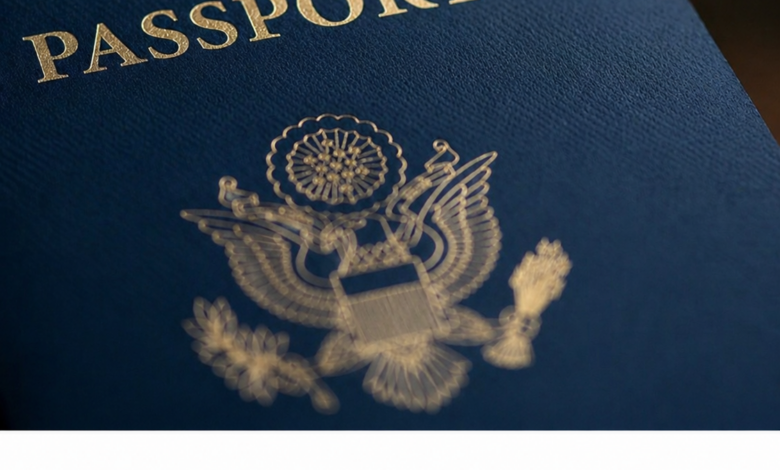
The United States is preparing to celebrate a major milestone as the country approaches its 250th anniversary. As part of the nationwide commemoration, officials have introduced a new concept that is already drawing widespread attention. A limited-edition passport design is expected to be released in honor of the occasion. The announcement has quickly become a topic of public discussion. Reactions have ranged from excitement to concern.
According to early reports, the commemorative passports will include unique design elements not seen in standard documents. These additions are intended to reflect the historical significance of the anniversary. Officials describe the design as both symbolic and modern. At the same time, they emphasize that security features will remain unchanged. The passports will function identically to regular versions.
One of the most talked-about aspects of the new passport is the inclusion of a sitting president’s image. If finalized, this would mark a historic first for the United States. Traditionally, passports have featured national symbols and historical figures. The shift in design has led to increased scrutiny. Many are questioning the long-term implications of such a change.
The State Department has confirmed that the release will be limited in scope. Estimates suggest that between 25,000 and 30,000 passports will be made available. These will be distributed primarily through a specific location. The Washington, D.C. passport office is expected to handle most applications. Availability will begin shortly before July 4.
Officials have stated that the commemorative passports will be offered by default at this location. However, applicants will still have options. Those who prefer a standard passport can apply online or through other offices. This approach aims to balance accessibility with exclusivity. It also allows individuals to choose their preferred version. Flexibility remains a key part of the rollout.
The design itself is said to include enhanced visual elements. Reports indicate that gold accents and customized artwork will be featured. These additions are intended to highlight the significance of the anniversary. The goal is to create a document that feels both official and celebratory. At the same time, functionality remains unchanged.
Supporters of the initiative argue that it represents a meaningful way to mark a historic event. They believe the passport serves as a symbol of national identity. For them, the design reflects pride and continuity. They also point to the limited release as a way to preserve its uniqueness. Many see it as a collectible item.
Critics, however, have raised concerns about precedent. Some argue that featuring a current political figure may blur traditional boundaries. They believe national documents should remain neutral. This perspective emphasizes the importance of long-standing norms. It also reflects broader debates about symbolism in public institutions.
The discussion has extended beyond design into questions of policy. Legal experts have begun examining whether such changes require additional oversight. Some suggest that congressional input may be necessary. Others believe the decision falls within administrative authority. The issue remains open to interpretation.
Public reaction has been shaped by differing political viewpoints. Social media platforms have amplified the conversation. Opinions vary widely depending on individual perspectives. Some see the move as innovative. Others view it as controversial.
Despite the debate, officials continue to emphasize the commemorative purpose. They stress that the passports are meant to celebrate history. The focus, they say, is on marking a significant national milestone. The design is only one part of a larger effort. Events across the country are also being planned.
Historically, U.S. passports have included imagery tied to national heritage. Landmarks, quotes, and iconic figures have been common features. These elements aim to reflect shared values. The introduction of a new design approach represents a departure from that tradition. It signals a potential shift in how symbolism is used.
Some observers note that commemorative items are not unusual during major anniversaries. Coins, stamps, and other collectibles have long been produced. The passport, however, carries additional weight. It is both a personal document and a national symbol. This dual role adds complexity to the discussion.
The timing of the release is also significant. The passports are expected to be available just before Independence Day. This aligns with broader celebrations planned nationwide. The anniversary is seen as a moment of reflection. It is also an opportunity to look ahead.
Officials have highlighted the security features of the passport. They confirm that all existing protections will remain intact. This includes biometric data and advanced printing technology. The goal is to ensure safety while introducing new design elements. Security remains a top priority.
In addition to visual changes, the passport may include symbolic details. Reports mention gold accents and special markings. These are intended to distinguish it from standard versions. The design aims to be both functional and memorable. It reflects a balance between tradition and innovation.
The limited number of passports is expected to create high demand. Collectors and enthusiasts are likely to show interest. At the same time, practical users may also apply. The combination of utility and rarity adds to its appeal. This could make it a notable item in the future.
Some experts believe the release could influence future design decisions. If successful, similar concepts may be explored. This could extend to other official documents. The impact will depend on public response. Early reactions suggest strong engagement.
The broader conversation touches on national identity. Symbols used in official documents carry meaning. They reflect how a country ხედs itself. Changes to these symbols can have lasting effects. This is why the debate has drawn significant attention.
For many, the issue is not just about design. It is about the role of tradition in modern governance. Balancing innovation with established norms is a challenge. Different perspectives highlight different priorities. The discussion reflects a diverse range of views.
As the release date approaches, more details are expected. Officials may provide further clarification on design elements. Public interest remains high. The story continues to develop. Updates are likely in the coming weeks.
In the meantime, the announcement has already achieved one goal. It has sparked conversation across the country. People are engaging with the topic. This reflects the significance of the anniversary itself. It is a moment that invites reflection.
Whether the passports become widely accepted or remain controversial, their impact is clear. They have brought attention to the upcoming celebration. They have also highlighted differing perspectives. The outcome will shape how this moment is remembered.
Ultimately, the commemorative passport represents more than a document. It is part of a larger narrative about history and identity. The decisions made now may influence future traditions. As discussions continue, the country moves closer to its 250th anniversary.