Queen Camilla’s Outfit Sparks Discussion After Meeting With Trump
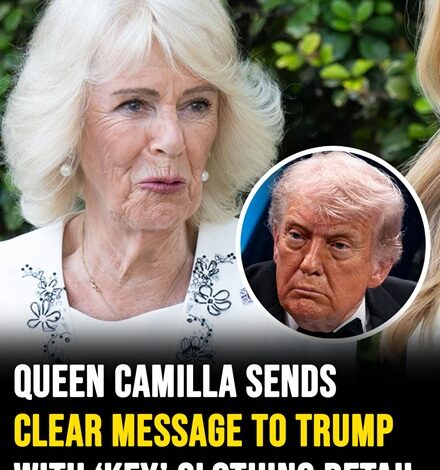
State visits involving the British monarchy are among the most formal and symbolic events in international diplomacy. When figures such as King Charles III travel abroad, particularly to the United States, the visit is carefully structured to reinforce long-standing diplomatic relationships. These visits are not political in a partisan sense, as the monarchy remains constitutionally neutral, but they serve an important ceremonial and diplomatic function in strengthening ties between nations.
The United States and the United Kingdom share one of the most historically significant alliances in modern geopolitics. Meetings between British royals and U.S. presidents, including Donald Trump, are typically organized as part of broader diplomatic engagement efforts. These events often include formal receptions, ceremonial greetings, and discussions focused on cultural, economic, and international cooperation.
Structure and Purpose of Official Royal Visits
Royal visits to the United States are carefully coordinated through diplomatic channels involving both the UK government and the U.S. administration. These visits are planned months in advance and include a combination of ceremonial appearances, private meetings, and cultural engagements. Security, protocol, and media arrangements are all managed to ensure the visit proceeds smoothly and respectfully.
The role of the monarchy in these visits is primarily symbolic. Members of the Royal Family act as representatives of continuity, tradition, and national identity rather than political decision-makers. Their presence at international events is intended to reinforce historical alliances and promote mutual understanding between countries.
The Importance of Diplomatic Symbolism in Royal Fashion
One of the most widely discussed aspects of royal public appearances is the use of symbolic fashion. Members of the Royal Family often wear clothing, jewelry, or accessories that carry historical or cultural significance. These choices are typically interpreted by commentators as part of diplomatic messaging, although the Royal Family itself rarely comments on such interpretations.
For example, royal brooches, pins, and ceremonial jewelry are often worn during state visits to reflect historical connections or personal significance. These items may come from royal collections, diplomatic gifts, or historic collections passed down through generations. Their use in public appearances is widely documented and often analyzed by historians and royal commentators.
Media Interpretation of Royal Appearances
In modern media environments, royal fashion choices frequently become subjects of public discussion and interpretation. When members of the Royal Family appear in international settings, analysts and commentators sometimes interpret clothing or accessories as symbolic messages. However, these interpretations are not always confirmed by official statements and should be understood as analysis rather than fact.
This phenomenon is especially common during high-profile diplomatic visits, where public interest in symbolism, protocol, and gesture is extremely high. Media outlets often examine every detail of royal appearances, from clothing color to jewelry selection, as part of broader cultural commentary.
UK–US Relations in a Modern Context
The diplomatic relationship between the United Kingdom and the United States remains one of the most stable alliances in global politics. Cooperation between the two countries spans defense agreements, intelligence sharing, trade relations, and cultural exchange. Despite political changes in leadership, this partnership has remained consistent for decades.
Public interactions between British royals and American political leaders are part of this long-standing diplomatic tradition. These meetings are designed to reinforce shared values and continued cooperation on international issues. While individual political opinions may vary between leaders, institutional relations remain strong and structured.
The Role of King Charles III in Diplomacy
As monarch, King Charles III plays a constitutional and ceremonial role in representing the United Kingdom abroad. His international visits are focused on diplomacy, cultural exchange, and strengthening alliances. Unlike elected officials, the King does not engage in political decision-making, but his presence at international events carries symbolic importance.
Royal speeches during state visits often emphasize themes such as unity, cooperation, and shared global responsibility. These addresses are carefully written in consultation with government advisors to ensure they reflect diplomatic priorities while maintaining constitutional neutrality.
Public Interest in Royal Symbolism
Royal appearances often generate significant public interest, particularly when they take place in politically sensitive or high-profile environments. Observers frequently analyze details such as attire, gestures, and ceremonial actions as potential symbolic statements. However, official royal communications rarely confirm such interpretations.
Instead, the Royal Family’s public role is primarily focused on ceremony, tradition, and diplomatic goodwill. This distinction between symbolic interpretation and official intent is important when analyzing media coverage of royal events.
Media Narratives and Digital Amplification
In the digital age, coverage of royal visits spreads rapidly across social media platforms and online news outlets. This creates a situation where official information, commentary, and speculation often circulate simultaneously. As a result, public perception of royal events can be shaped by both verified reporting and interpretive analysis.
Journalists and media analysts emphasize the importance of distinguishing between confirmed diplomatic actions and subjective interpretations of symbolism. This is particularly relevant when covering international visits involving major political figures and institutions.
Conclusion: Diplomacy, Tradition, and Public Perception
Royal state visits, such as those involving King Charles III and international leaders, remain an important part of modern diplomacy. These events highlight the continued relevance of historical alliances, particularly between the United Kingdom and the United States.
While media interpretation often focuses on symbolic details, the core purpose of these visits is diplomatic engagement and cultural connection. Understanding the difference between official actions and public commentary is essential for accurate reporting.
Ultimately, royal diplomacy continues to serve as a bridge between tradition and modern international relations, reinforcing long-standing ties while adapting to contemporary global dynamics.