Honoring a Remarkable Woman Whose Legacy Inspired Many
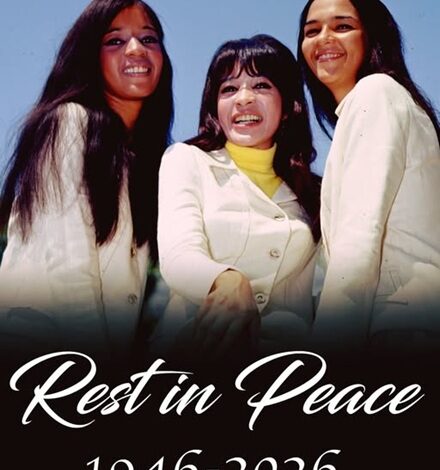
Nedra Talley Ross is best known as a foundational member of the legendary girl group The Ronettes, a trio that helped define the sound and style of early 1960s pop music. Alongside Ronnie Spector and Estelle Bennett, she contributed to a vocal harmony style that became instantly recognizable and deeply influential. The group rose to fame during a transformative period in American music history. Their sound blended emotion, teenage vulnerability, and polished production in a way that resonated widely.
They became symbols of a new kind of female presence in pop culture. Their collaboration with producer Phil Spector introduced what became known as the “Wall of Sound,” a production style that layered instruments and vocals into a dense, powerful sonic experience. This innovation gave their recordings a dramatic and emotional depth that set them apart from many of their contemporaries. Songs like Be My Baby, Walking in the Rain, and Baby, I Love You remain enduring classics.
These tracks continue to be featured in films, television, and playlists decades later. Beyond their music, The Ronettes became cultural icons of the 1960s. Their distinctive hairstyles, fashion choices, and stage presence influenced trends far beyond the recording studio. They represented a shift in how young women were seen in popular music—confident, stylish, and central to the performance rather than secondary to it. Their image helped shape the visual identity of an entire era. Even today, they are frequently referenced in discussions of early pop aesthetics.
Despite their success, life within the music industry was not without challenges. Like many groups of that era, The Ronettes faced difficult professional conditions and shifting dynamics within the entertainment business. As the group eventually disbanded, each member moved into different phases of life. Nedra Talley Ross chose a quieter path compared to the intensity of her early fame. She stepped away from the spotlight and focused on personal stability.
After her time with the group, she pursued a life that included family commitments and work outside the entertainment industry. At one point, she also explored religious music and later worked in real estate. These transitions reflected a shift from public performance to private purpose. Rather than remaining in the music industry spotlight, she built a life centered on personal priorities and everyday responsibilities.
In 2007, Rock and Roll Hall of Fame inducted The Ronettes, formally recognizing their lasting contribution to music history. For Nedra Talley Ross, this moment served as a meaningful acknowledgment of the group’s impact. It affirmed their influence on generations of artists who followed. The recognition also highlighted how their work had stood the test of time, remaining relevant decades after its original release.
Even as time passed, the music of The Ronettes continued to reach new audiences. Their recordings remain widely respected for their emotional delivery and innovative production. Modern artists frequently cite them as influences, and their songs continue to appear in contemporary media. This lasting presence demonstrates the durability of their artistic contribution. It also shows how deeply their sound is embedded in popular music history.
Nedra Talley Ross’s role in this legacy is often described as essential yet understated. While Ronnie Spector often received the most public attention as the lead voice, Nedra’s harmonies helped create the group’s signature sound. Her contribution was part of the collective identity that made The Ronettes unique. Without each member’s vocal presence, the group’s impact would not have been the same.
Today, the legacy of The Ronettes is viewed as part of the foundation of modern pop music. Their influence can be traced through countless artists and musical styles that followed. The emotional intensity of their songs, combined with their polished production, set a standard that many still admire. Their work continues to be studied, celebrated, and rediscovered by new generations.
Nedra Talley Ross remains an important figure in that history. Her story reflects both the heights of early fame and the quieter reality of life after the spotlight. It is a reminder that cultural impact is not only measured by visibility, but also by lasting influence. Through her music, she remains part of a sound that continues to live on long after its creation.