THE SHOCKING TRUTH ABOUT YOUR DAILY SHOWERING HABIT WILL CHANGE YOUR ENTIRE LIFE FOREVER
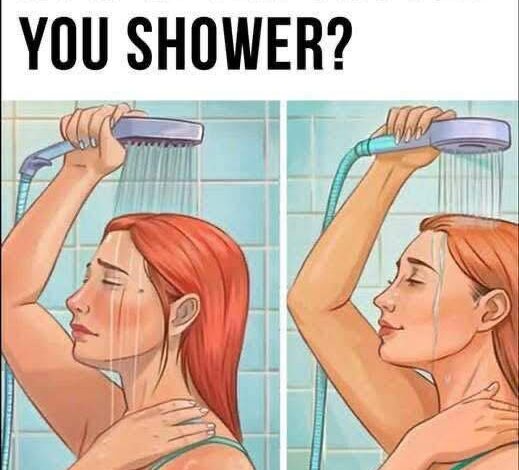
The morning or evening shower has long been considered the most important component of daily renewal, health, and personal hygiene. From an early age, we are told that cleanliness is next to godliness and that the only way to properly cleanse our bodies of the dirt and bacteria we gather in our hectic lives is to take several hot showers every day. But an increasing amount of wellness and dermatological research is starting to question this deeply rooted cultural practice. Medical professionals are now cautioning that taking too many baths may really be more harmful than beneficial, especially when mixed with extremely hot water and harsh, chemical-laden soaps. This is particularly true for people who live in dry and cold areas, have extremely sensitive skin, or are elderly. Maintaining the natural vibrancy of our hair, protecting our long-term skin health, and guaranteeing our general physical well-being all depend on our ability to comprehend precisely how over-bathing interferes with the complex processes of the human body. Because of our dread of our own natural secretions brought on by modern lifestyles, we have an obsessive need to remove any traces of perspiration and oil from our skin. However, over millions of years, the human body has developed sophisticated biological systems to control its own hygiene and defense. Overly forceful intervention short-circuits these natural processes, leading to a reliance on synthetic moisturizers and hair products that just cover up underlying damage.
We must first examine how the skin serves as a protective shield in order to fully understand the extent of the problem. A complex web of natural oils and lipids covers the stratum corneum, the outermost layer of human skin. These oils create an important barrier that keeps allergies, contaminants, and external irritants out of the body while retaining vital moisture. Showering too often removes this natural barrier far more quickly than the body can replenish it, especially when the water is really hot. The skin rapidly becomes dry, rough, and prone to tiny tears in the absence of these vital lipids. Shortly after drying off with a towel, the skin may start to feel painfully tight, itchy, and irritated. Chronic dehydration can hasten the aging process over time, causing dullness, a lack of suppleness, and the early development of wrinkles and fine lines. What many people misinterpret for a straightforward need for additional lotion is actually the body’s way of telling you that your bathing practice has become excessively harsh. Degradation of the barrier function allows for a variety of dermatological problems that are difficult and expensive to treat. The barrier function is what keeps our largest organ healthy and functional.
Frequent bathing poses a serious risk to the skin’s microbiome in addition to the physical barrier provided by natural oils. The human body depends on a large, complex ecosystem of helpful bacteria and microorganisms to survive and flourish, despite the fact that we frequently view all bacteria as hazardous invaders that must be vigorously eliminated. The body uses this microbiome as an internal biological defense system to fend off infections, allergic responses, and localized inflammation. People unintentionally destroy these colonies of beneficial bacteria when they overuse antibacterial soaps, use harsh body washes, and scrub vigorously and repeatedly. Because of this biological imbalance, the skin is extremely susceptible to fungal overgrowths, a variety of infections, and long-term inflammatory diseases like dermatitis or eczema. Over-washing merely makes the very infections we are attempting to prevent more accessible rather than fostering a sterile and healthy environment. The pH of our skin is kept slightly acidic by our bodies, which is perfect for the growth of beneficial bacteria. This pH equilibrium is upset by soaps, which are frequently alkaline, making it more difficult for the microbiome to recover following a thorough shower. Maintaining the microbiota shields us from the harsh reality of our surroundings and is essential to the health of our immune systems.
Furthermore, the body’s internal temperature regulating systems may be severely disrupted by prolonged, frequent exposure to hot water during showers. Although the human body is built to keep its core temperature steady, abrupt changes brought on by extremely hot or cold water can shock the system. This abrupt change in temperature is especially risky for older persons because it can result in sharp changes in blood pressure, which can cause lightheadedness, dizziness, and a strong sense of exhaustion or faintness. Heat causes blood arteries to widen, which draws blood away from the brain and temporarily lowers blood pressure. Experts advise avoiding this by limiting the duration of showers and using warm water instead of hot to prevent the body from experiencing abrupt heat shocks that overtax the cardiovascular system. The adverse effects of the wash might be exacerbated by extended exposure to high water temperatures, which can cause dizziness and accelerate the evaporation of moisture from the skin. You can avoid these harmful physiological reactions and preserve a steady, healthy physiological state by closely monitoring the temperature of the water and the length of the shower.
This over-washing problem is equally detrimental to the health of our hair and scalp. Sebum, the natural oils produced by the scalp, is vital for maintaining the strength, resilience, and luster of the hair strands as well as the nourishment of the hair follicles. This natural sebum is removed when you wash your hair every day with harsh, sulfate-filled shampoos, leaving your hair dry, brittle, and extremely vulnerable to breakage, frizz, and split ends. A vicious cycle of oily hair and frequent washing can result from the scalp overproducing oil to make up for the moisture lost due to the continuous cycle of washing and drying. Nowadays, the majority of hair and scalp specialists advise that washing your hair two or three times a week is more than sufficient to keep it clean without removing vital moisture. On non-wash days, you may maintain your hair’s natural strength and texture while allowing your scalp to heal by using a mild, sulfate-free substitute or simply washing with water.
We must fundamentally reevaluate our daily routines and rethink personal hygiene in order to end the cycle of over-bathing. It’s not about giving up hygiene; rather, it’s about taking better, more balanced care of our bodies. We may protect our skin, preserve our natural microbiome, and promote our general health by using lukewarm water, using mild, moisturizing, and natural soaps, and taking short, thoughtful showers. Over-bathing is a habit of the past; working with our bodies instead of opposing their defense mechanisms is the future of wellness. You can attain a healthier, more radiant appearance without the dangers of frequent washing by comprehending the science of the skin and adopting these deliberate changes.