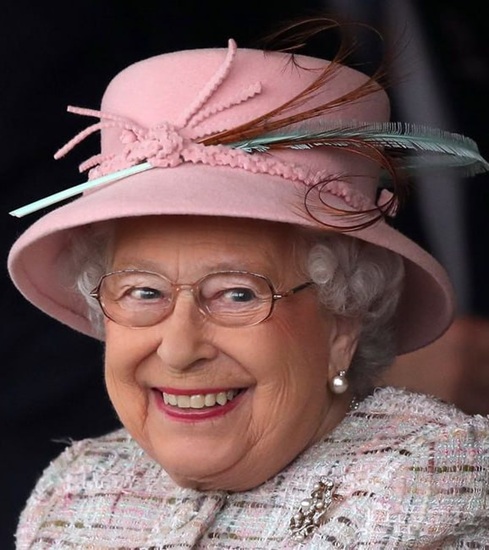
A hidden secret of the Queen—something she kept from those closest to her.
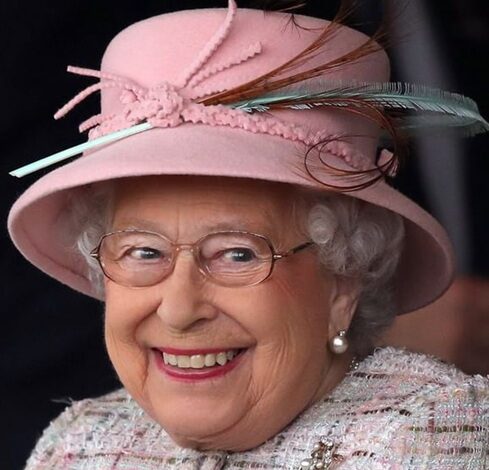
Queen Elizabeth II was widely known for her appreciation of simple, familiar pleasures despite her extraordinary public role as the monarch of the United Kingdom. Among her most frequently mentioned personal tastes was a strong fondness for chocolate, particularly dark varieties. According to royal household staff and several biographical accounts, chocolate was one of her preferred indulgences and often appeared in her private dining habits.
While her public life was defined by ceremony and duty, her private routines were often described as disciplined but comfort-oriented. These small preferences offered her a sense of normalcy within an otherwise highly structured life. Chocolate, in particular, became one of the understated luxuries she reportedly enjoyed throughout her reign. Reports from former royal staff and individuals connected to the royal household have suggested that the Queen maintained personal supplies of sweets, sometimes kept separately from general household provisions.
This was not unusual within royal residences, where personal preferences of senior royals were often carefully managed. In private settings such as Balmoral Castle or Windsor Castle, she was said to enjoy simple desserts and chocolates after meals. These habits reflected a preference for consistency rather than extravagance in her daily diet. While menus in royal households were highly formal in public contexts, private dining was often much more relaxed and personal. Chocolate frequently appeared in these quieter, informal moments.
Biographical accounts and interviews with people who worked closely with the royal household have often emphasized the Queen’s preference for dark chocolate over milk chocolate. Dark chocolate, especially high-quality varieties, was considered one of her more consistent culinary preferences. Some reports have mentioned brands traditionally associated with British luxury confectionery, which are often favored in royal households.
However, exact details of her consumption habits are not always officially documented, as the royal family typically keeps personal dietary routines private. What is clear from multiple consistent accounts is that chocolate was among her well-known favorite treats. The Queen’s approach to food and indulgence was generally described as moderate and structured. Her meals were typically simple, with an emphasis on traditional British cuisine and seasonal ingredients.
Despite access to world-class chefs and international cuisine, she was known for preferring familiar dishes over elaborate modern trends. Chocolate, in this context, represented one of the few widely acknowledged personal indulgences in her otherwise disciplined diet. Even small desserts were usually served in controlled portions. This consistency reflected her broader lifestyle, which prioritized routine and predictability.
Stories about the Queen’s private habits often circulate widely, sometimes blending verified facts with anecdotal embellishments. While it is true that she enjoyed chocolate and sweets, more sensational elements such as humorous animal-related incidents or dramatic “hidden stash” narratives are not reliably documented in official biographies or historical records.
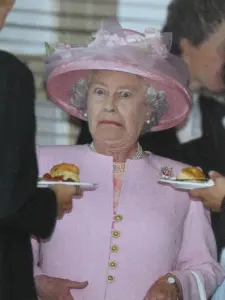
Royal anecdotes often become exaggerated over time, especially when repeated in informal media or online platforms. This makes it important to distinguish between verified accounts and entertaining but unconfirmed storytelling. In the case of Queen Elizabeth II, most reliable information comes from official biographies and firsthand accounts by staff.
One of the most consistent themes in descriptions of the Queen’s personal life is her preference for privacy and simplicity. Even as one of the most recognizable figures in the world, she maintained strict boundaries around her personal space and daily routines. Food, leisure, and small personal habits were generally kept away from public scrutiny. This contributed to the mystique surrounding her lifestyle and led to frequent speculation about her private preferences. Chocolate, as a recurring detail in many accounts, became symbolic of these quiet, human aspects of her life.
Her long reign also meant that small personal details often became part of public fascination. Items such as her favorite foods, daily routines, and leisure activities were frequently discussed in media coverage and biographies. Chocolate in particular became a recurring topic because it contrasted with the formal image of monarchy. It provided a relatable detail that humanized an otherwise highly institutional figure. Over time, such details contributed to a broader cultural image of the Queen as both disciplined and quietly fond of simple pleasures.
Ultimately, the interest in Queen Elizabeth II’s preference for chocolate reflects a larger public curiosity about the personal lives of historical figures. While her role was defined by duty, service, and tradition, small details like her taste in sweets offer a glimpse into her individuality. However, it is important to rely on verified information when discussing such personal habits, as royal anecdotes are often reshaped in popular storytelling. What remains consistent across credible accounts is that she appreciated chocolate as one of her modest and private indulgences. This simple detail continues to humanize her legacy for many people around the world.