Granddaughter Drops Note On Kitchen Table 20 Years After Deadly Snowstorm And Nothing Is The Same Again
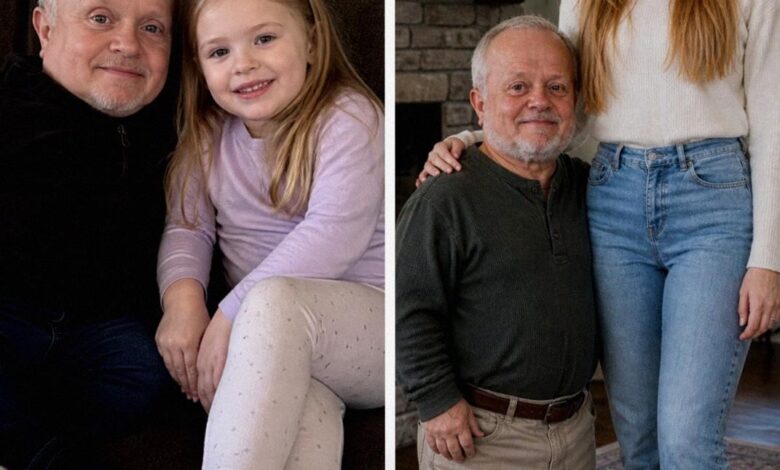
They say time heals all wounds, but some truths simply remain buried until they are ready to be found. Twenty years after a devastating snowstorm took my family, my granddaughter handed me a note that unraveled everything I thought I knew. I am seventy years old. I have buried two wives and outlived nearly everyone I ever called a friend. You would think by now nothing could shock me, but grief has a funny way of lingering and changing its shape. I believed I had learned to live with the pain. It turns out I was simply waiting for the truth to find me.
The tragedy started on a night when the snow came down as if the sky had a personal grudge. It was just a few days before Christmas two decades ago. My son Michael, his wife Rachel, and their two children had come over to my place for an early holiday dinner. I lived in a quiet, close-knit town where severe snowstorms were as normal as morning coffee. The local weatherman had predicted light flurries, perhaps an inch or two at most, but he was dead wrong.
They left my house around seven in the evening. I remember it vividly because Michael stood in the doorway holding his youngest daughter, Emily, who was half-asleep in her little puffy jacket. He flashed me the confident smile of a son who believed he had everything under complete control. We will be fine, Dad, he said, wanting to get the kids home before the weather worsened. The wind howled furiously when I closed the door behind them, and an ominous feeling twisted in my gut. I remember that moment with chilling clarity, as if an alarm in my bones went off too late.
Three hours later, I heard the kind of knock you never forget. It was sharp, urgent, and heavy with dread. I opened the door to see Officer Reynolds standing on the porch with snow melting off his jacket and a profound sorrow spread across his face. There had been a terrible accident. The rural road Michael was driving along had iced over, and their car had skidded off the shoulder, crashing violently into a thick stand of trees. My son, Rachel, and my eight-year-old grandson Sam had not survived the impact. Only Emily, just five years old at the time, made it out alive.
I remember the cold, sterile environment of the emergency room hallway as if it were yesterday. Emily suffered a concussion, broken ribs, and deep bruises from her seatbelt. She did not speak much during those first few harrowing days. The doctors explained that severe trauma had fogged her memory, leaving only confusion and fragmented recollections. They advised against forcing her to remember, suggesting we let it come back naturally. I respected their advice and did not push. I became her guardian overnight, transitioning from a grieving father to a full-time parent at fifty years old.
I had to relearn how to cook meals I had not made in twenty years. I taught myself how to comb a young girl’s hair without causing tears and how to sit in a school gymnasium holding back tears while watching her perform in holiday pageants. Emily was an undemanding child. She never threw tantrums or whined, but she would often look at me with a quiet longing, as if she were waiting for someone else to walk through the door.
We rarely spoke about the crash. When she asked where her parents had gone, I gave her the rehearsed answer I had prepared. It was an accident, sweetheart. A bad storm. Nobody is at fault, I told her. She nodded, accepting the explanation, and never asked again. Years passed, and Emily grew up to be a quiet, observant, and highly intelligent young woman. She excelled in school and developed a deep fascination with puzzles and mystery books. She carried herself with a heavy, serious demeanor that made her seem far older than her actual years.
When she left for college, I wept more deeply than I had at her parents’ funeral. You do not realize how much life a child brings into a home until that space falls entirely silent. Four years after graduation, she returned to my house, stating she wanted to save money for her own place. She landed a job as a paralegal for a local legal research firm downtown and began discussing her plans to attend law school. My girl was twenty-five, brilliant, and fiercely independent, yet still retained a piece of the little girl who used to fall asleep on my shoulder.
We quickly slipped into a comfortable daily rhythm. She would return home around six in the evening, and we would share dinner while discussing odd legal cases and local trivia. I cherished every single moment of it. However, a few weeks ago, right before the anniversary of the tragic accident, everything shifted. She grew unusually distant and quiet, not in a moody way, but with a fierce, singular focus. She began asking peculiar questions over dinner, questions that scratched at old, painful scabs I had carefully kept hidden for two decades.
Grandpa, do you remember what time they left here that night? Was anyone else supposed to be on that road? Did the police ever follow up with you more than once? At first, I assumed it was simply the curiosity of a developing legal mind seeking closure. But the intense way she measured my responses made my skin crawl with unease.
Then, last Sunday afternoon, she came home much earlier than usual. Her heavy winter coat was still buttoned, and she stood in the entryway clutching a folded piece of paper as if it might set the house on fire. She looked at me evenly and asked if we could sit down at the kitchen table. This table had witnessed decades of our lives, from birthdays and report cards to Sunday pancakes. I hesitated, sensing the heavy weight of the secret she was about to reveal.
She slid the paper across the table. I read the neat, measured handwriting that spelled out a message that sent my heart racing: It wasn’t an accident. My chest tightened so severely I feared I might be having a heart attack. I tried to laugh it off, asking if this was a law school exercise, but she remained completely serious.
She leaned in close and revealed that her memory had returned. She reached into her bag and pulled out a scratched-up silver flip phone, a device from a bygone era. She explained that she had found it in a sealed box of county archives from the courthouse, requested by its serial number. There were voicemails on the device from the night of the crash, and one of them had been partially deleted.
My mind raced to comprehend the situation. She played the voicemail, revealing the panicked voice of a man saying they could not do this and that no one was supposed to get hurt, followed by a cold female voice telling him to keep driving. When I asked who was involved, Emily mentioned Officer Reynolds, the man who had delivered the tragic news to me all those years ago.
She explained that Reynolds was under investigation for falsifying reports and taking bribes from a private trucking company. The rural road should have been blocked off due to an earlier accident involving a semi-truck, but Reynolds had removed the barricades. Michael had swerved to avoid the massive vehicle, and that was why the tire marks did not match a simple slide on the ice. Emily survived because she was asleep in the back seat, her seatbelt catching her differently.
We sat in stunned silence as the magnitude of the revelation settled over us. Emily then produced a worn folder containing a letter from Reynolds wife, along with unfiled confession notes. The letter explained that Reynolds was buried in debt and manipulated the scene to cover up the trucking company’s negligence, never expecting a family to suffer so terribly.
Reading the letter did not make our grief vanish, but it finally gave it a clear shape and purpose. That night, we lit candles, discussed her parents, and spoke openly about the memories we had kept hidden. For the first time in twenty years, Emily took my hand with comfort rather than sorrow, proving that the truth had set us free.