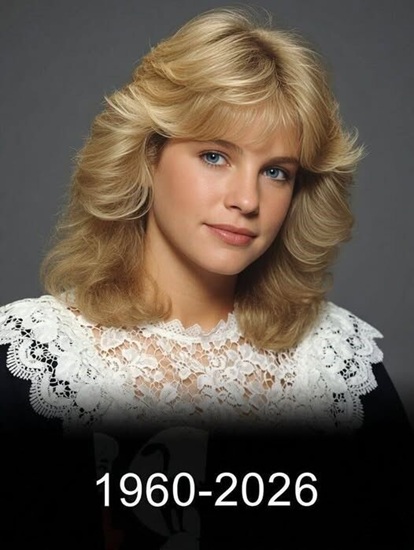
From a Growing Hollywood Career to a Life of Privacy: An ’80s Actress Who Chose Family and Peace Over Fame at Her Peak
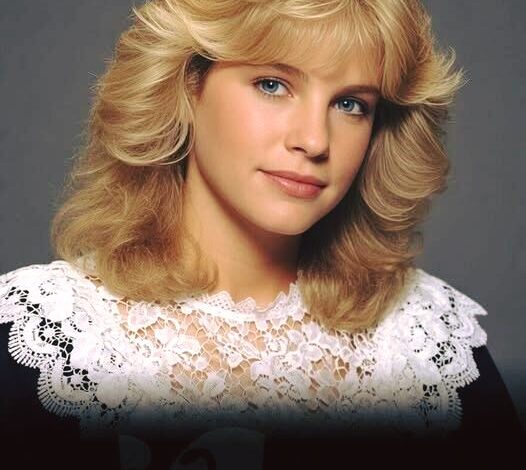
During the 1980s, the entertainment industry was experiencing one of its most visually iconic and commercially explosive eras. Hollywood was defined by bright lights, rapid success stories, and a constant search for the next recognizable face. In this environment, Jennifer Runyon emerged as one of the many young talents who began building a presence in film and television. She appeared in a variety of roles that helped her gain recognition, particularly in teen-oriented films and television projects.
While not always positioned as a headline star, she developed a reputation for being approachable on screen, often portraying characters that felt relatable rather than exaggerated. This grounded style of performance allowed her to stand out in an industry that often favored larger-than-life personalities. Unlike some of her contemporaries who pursued constant visibility, Jennifer Runyon maintained a career path that focused more on steady work than on celebrity amplification.
She appeared in projects such as Ghostbusters (1984) and various television series, contributing to productions that have since become part of 1980s pop culture memory. Her roles often reflected a naturalistic approach to acting. Rather than relying on exaggerated performance styles, she tended to portray characters with subtlety and emotional restraint. This made her performances feel authentic, even when they were part of larger comedic or fantastical storylines. Over time, this consistency became one of her defining professional traits.
The Pressure of Fame and the Hollywood Environment
The entertainment industry during this period was known for its intense pace and competitive nature. Actors were often expected not only to perform but also to maintain a public image that aligned with industry expectations. For many performers, this meant constant auditions, media appearances, and participation in promotional cycles that blurred the line between professional and personal life.
For Jennifer Runyon, this environment presented both opportunity and challenge. While it offered visibility and career growth, it also came with the pressures that many actors of the era have described—limited privacy, constant evaluation, and an industry structure that often prioritized marketability over personal balance.
A Decision to Step Away from the Spotlight
At a certain point in her career, Jennifer Runyon made a personal decision to step back from acting. This choice was not marked by public controversy or dramatic exit stories, but rather by a gradual shift in priorities. She chose to focus more on her personal life, stepping away from the constant demands of Hollywood production schedules.
Her marriage to Todd Corman and her role as a mother became central to this new phase of life. She dedicated her attention to raising her children, Wyatt and Bayley, and building a stable home environment outside of the entertainment industry. This transition reflected a broader pattern seen among some actors who choose to leave public careers in favor of private fulfillment.
Life Beyond the Film Industry
After stepping away from regular acting roles, Jennifer Runyon largely remained outside the entertainment spotlight. Unlike many former actors who continue to pursue media visibility, she embraced a quieter lifestyle, focusing on personal and family commitments rather than public recognition.
This shift highlights an often overlooked aspect of Hollywood careers: not all success is defined by longevity in the industry. For some performers, success also includes the ability to step away on their own terms and redefine what fulfillment looks like outside of fame. In Runyon’s case, this meant prioritizing stability and privacy over continued exposure.
The Evolution of Public Perception Over Time
As years passed, audiences revisiting 1980s film and television content began to reassess the contributions of actors like Jennifer Runyon. While she was never positioned as one of the era’s dominant stars, her performances gained renewed appreciation for their sincerity and understated quality.
In retrospective discussions about the period, viewers often note how certain supporting actors brought balance to larger ensemble casts. Runyon’s work is sometimes cited as an example of this dynamic, where quieter performances helped ground more exaggerated comedic or fantasy elements. This type of contribution is often more visible in hindsight than at the time of release.
Fame Versus Personal Fulfillment
The entertainment industry often presents a narrow definition of success, typically tied to visibility, awards, and commercial achievement. However, the career path of Jennifer Runyon illustrates an alternative perspective—one in which stepping away from fame can also be considered a meaningful form of success.
Her decision reflects a broader reality faced by many actors: the challenge of balancing professional ambition with personal well-being. While some choose to remain in the industry long-term, others transition into different phases of life where creative work is no longer the central focus.
A Legacy Defined by Choice, Not Absence
Rather than being remembered solely for what she left behind, Jennifer Runyon can also be understood through the choices she made about how to live beyond her early career. Her story is not one of disappearance, but of transition—from public performance to private life.
In many ways, her legacy reflects a quieter but equally valid form of artistic identity. She remains part of 1980s film history, while also representing the many performers who chose personal direction over continuous visibility.
A Different Kind of Success
The narrative surrounding Jennifer Runyon challenges conventional ideas about fame and achievement. While Hollywood often emphasizes permanence in the spotlight, her path suggests that stepping away can also be a deliberate and empowering choice.
Her career reminds audiences that not all legacies are built through constant exposure. Some are shaped through timing, intention, and the decision to prioritize life beyond the screen. In that sense, her story continues to resonate as an example of balance between professional opportunity and personal fulfillment.