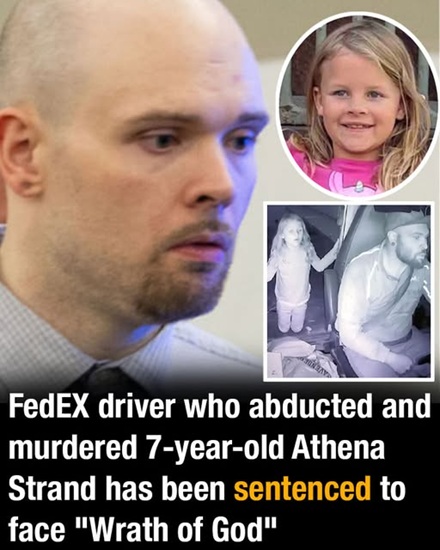
Man Behind the Murder of 7-Year-Old Athena Strand Receives Final Sentencing
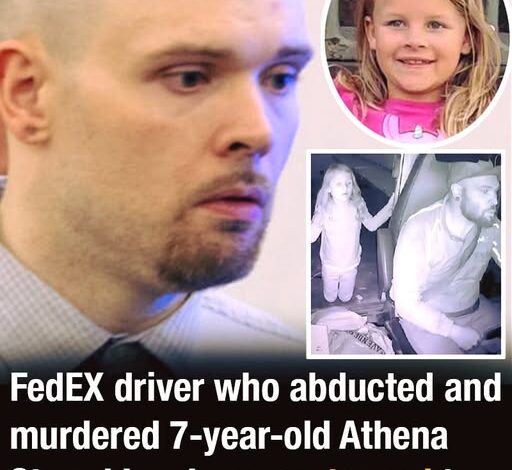
The disappearance and death of 7-year-old Athena Strand in Texas in late 2022 deeply shocked her local community and drew national attention in the United States. According to court records and widely reported news coverage, Athena was reported missing after vanishing from her father’s home in Wise County, Texas, on November 30, 2022. What followed was a large-scale search effort involving law enforcement agencies, volunteers, and community members who worked urgently to locate the child.
Authorities later confirmed that Athena had been abducted and killed shortly after her disappearance. The case quickly became one of the most widely discussed child abduction cases in Texas, not only because of the circumstances but also due to the suspect’s connection to a delivery service and the nature of the crime investigation that followed.
The Suspect and His Employment Background
Tanner Lynn Horner, a 30s-aged delivery driver employed by a contractor associated with FedEx operations, was identified as the suspect in the case. According to law enforcement statements, Horner was working on his delivery route in the area on the day Athena disappeared. He was responsible for delivering packages in residential neighborhoods, including Athena’s home.

Reports from investigators indicated that Horner was initially part of the search focus after authorities tracked delivery routes and vehicle activity in the area. His employment role made the case particularly alarming to the public, as it involved a trusted service interacting directly with residential communities. However, FedEx itself clarified in public statements that Horner was employed by a third-party contractor and not directly by the company.
The Abduction and Investigation
According to court testimony and investigative reports, Athena was taken shortly after a delivery interaction near her home. Evidence presented during legal proceedings indicated that Horner abducted the child after arriving in his delivery vehicle. Law enforcement officials later stated that surveillance footage, vehicle tracking data, and other forensic evidence played a key role in reconstructing the timeline of events.
The investigation expanded rapidly once Athena was reported missing. Search teams combed surrounding areas, while law enforcement worked to trace delivery records and communication logs. The case escalated quickly into a criminal investigation when evidence suggested that Athena had been taken in a vehicle and was no longer at the location where she was last seen.
Court Proceedings and Evidence Presented
During the legal proceedings, prosecutors presented extensive evidence outlining the sequence of events following the abduction. This included video material, witness statements, and forensic findings. According to multiple news reports, portions of the evidence shown in court were highly distressing, leading to emotional reactions from both jurors and family members present during the trial.
District Attorney James Stainton, as quoted by media outlets such as the New York Post, prepared jurors for the graphic nature of the evidence, emphasizing the seriousness of the case. The courtroom proceedings reportedly included emotional testimony and detailed reconstructions of the timeline leading up to Athena’s death.
Family members of Athena were present during portions of the trial but were reported to have stepped out at times due to the emotional impact of the evidence being presented.
Guilty Plea and Legal Resolution
On April 7, 2023, Tanner Horner pleaded guilty to capital murder and aggravated kidnapping, shortly before his trial was scheduled to begin. By entering a guilty plea, Horner accepted legal responsibility for the charges, and the case proceeded to the sentencing phase. Under Texas law, capital murder cases can result in either life imprisonment without parole or the death penalty, depending on the jury’s decision.
Following deliberation, the jury sentenced Horner to death by lethal injection. Reports indicated that the jury reached its decision after several hours of discussion. During the sentencing, Horner reportedly showed little visible reaction, maintaining a subdued demeanor as the verdict was read in court.
Emotional Impact on the Family
The courtroom proceedings included emotional statements from Athena’s family members. According to reporting from multiple media outlets, family representatives expressed grief, anger, and a desire for justice during victim impact statements. One relative addressed the court directly, emphasizing the lasting impact of Athena’s death and the importance of remembering her life rather than focusing on the perpetrator.
These statements reflected the deep emotional toll the case had on the family, who had publicly shared their grief throughout the investigation and trial. The courtroom became a space where legal process and personal tragedy intersected, highlighting the human impact behind criminal proceedings.
Community and Public Reaction
The case of Athena Strand drew widespread public attention across the United States. Many people expressed shock that the crime involved a child and occurred during what is typically considered a routine delivery interaction. The involvement of a delivery worker also raised broader discussions about background checks, contractor oversight, and community safety.
Public reaction included mourning, tributes, and calls for justice. At the same time, legal experts emphasized the importance of allowing the judicial process to proceed based on evidence and due process rather than speculation or emotional reaction alone. The case became part of a larger national conversation about child safety and criminal accountability.
Legal and Systemic Context
The case also highlighted how capital murder charges are handled under Texas law. Capital punishment remains a legal sentencing option in the state, and juries are tasked with determining appropriate punishment based on evidence and legal standards. In this case, the jury concluded that the death penalty was warranted following the guilty plea and sentencing phase.
Legal analysts noted that cases involving child victims often carry heightened emotional and legal weight, which can influence courtroom proceedings and public perception. However, the judicial process is structured to ensure that verdicts are based on evidence presented in court rather than public sentiment.
Remembering the Victim
Athena Strand’s name became widely shared across media platforms, memorial pages, and community tributes following the announcement of her death. Public messages emphasized her age, her life, and the tragedy of her loss. In many reports, her family described her as a joyful and loved child whose life was cut short far too soon.
The case continues to be referenced in discussions about child protection and community awareness. For many, it serves as a reminder of the importance of vigilance, safety measures, and support systems for families and children.
The case of Athena Strand remains one of the most widely reported and emotionally impactful criminal cases in recent Texas history. It combined elements of child safety, criminal investigation, legal accountability, and community trauma. While the legal process has concluded with a sentencing verdict, the emotional and social impact continues to resonate.
For the family, the community, and the broader public, the case stands as a painful reminder of how quickly life can be altered by violence. It also underscores the importance of justice systems working to address such crimes through due process and legal resolution.