A Life of Quiet Excellence and Dedication — Remembering a Character Actor Who Helped Shape Television’s Golden Era
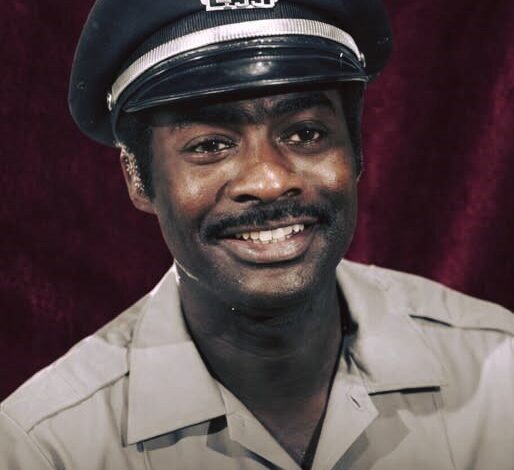
In an era where fame is often measured by visibility, noise, and constant self-promotion, Ed Bernard stands as a reminder of a very different kind of artistic presence. He represents a generation of performers who did not rely on spectacle or personal publicity to define their careers. Instead, his legacy is built on consistency, discipline, and a quiet mastery of his craft. Across decades of work in television and theater, Bernard earned respect not through loud recognition, but through the reliability and authenticity he brought to every role he played.
Before becoming a familiar face on television screens, Ed Bernard developed his foundation in the demanding world of theater. Like many serious actors of his era, he learned his craft in live performance spaces where there are no retakes and no editing room to correct mistakes. This environment shaped his approach to acting, teaching him the importance of presence, timing, and emotional truth. It was in these early experiences that he built the professional discipline that would later define his television career.
When Bernard transitioned into television during the 1970s and 1980s, he entered a rapidly evolving industry that was beginning to expand in both scale and cultural influence. He became part of a generation of actors who helped shape the “golden age” of serialized storytelling. His performances in shows such as Police Woman and The White Shadow demonstrated his ability to bring grounded realism to roles that supported larger ensemble casts. Rather than competing for attention, he focused on strengthening the world of each story he entered.
One of the defining characteristics of Ed Bernard’s work was his restraint. In an industry often driven by dramatic intensity and emotional exaggeration, he understood the power of subtlety. His performances were measured, thoughtful, and deeply human. He often portrayed characters who provided stability within a narrative, allowing lead actors and central storylines to develop more fully. This quiet strength made him a valuable presence on screen, even when he was not the focal point of a scene.
Throughout his career, Bernard built a reputation as a professional who valued preparation and respect for the craft. Directors and colleagues appreciated his consistency and his understanding of ensemble storytelling. He approached every role, regardless of size, with seriousness and commitment. This attitude contributed to his long-standing presence in television during a period when the industry was becoming increasingly competitive and fast-paced.
Beyond his professional achievements, Ed Bernard’s life has often been described as one grounded in personal values and stability. He was not a figure defined by public controversy or media spectacle, but rather by a quieter sense of purpose. His focus remained on his work, his family life, and the integrity of his personal choices. In an entertainment landscape frequently driven by publicity, he maintained a noticeably private and grounded approach.
As his career progressed, Bernard gradually stepped back from the constant demands of the industry, choosing a quieter and more reflective pace of life. This transition reflected the same principles that had guided his work: authenticity, balance, and a focus on what truly matters beyond public recognition. Rather than pursuing continuous visibility, he embraced a more personal and reserved chapter, away from the intensity of Hollywood attention.
The impact of Ed Bernard’s work, however, continues to be felt through the shows and performances he contributed to over the years. His roles remain part of television history, serving as examples of strong supporting acting that enhances storytelling without overwhelming it. In many ways, his career demonstrates how essential character actors are to the success of film and television productions.
Within the broader context of entertainment history, Bernard represents a type of performer whose value is sometimes overlooked in discussions focused on leading stars. Yet, it is precisely actors like him who provide depth, realism, and emotional grounding to many beloved productions. His work serves as a reminder that storytelling is a collaborative effort, built not only on standout performances but also on consistent and reliable contributions from the entire cast.
Today, his legacy can be appreciated as part of a larger conversation about professionalism, artistic integrity, and the evolving nature of television acting. Ed Bernard’s career reflects an era when craft and discipline were central to long-term success in the industry. His performances continue to resonate with viewers who value authenticity and understated strength in storytelling.
Ultimately, Ed Bernard’s contribution to television is best understood not through moments of spectacle, but through the steady accumulation of meaningful work. He built a career defined by respect for the craft, commitment to storytelling, and an ability to elevate every project he participated in. In doing so, he left behind a professional legacy that continues to inspire appreciation for the quieter, yet essential, figures in entertainment history.