Common Reasons You May Wake Up With Tingling Hands
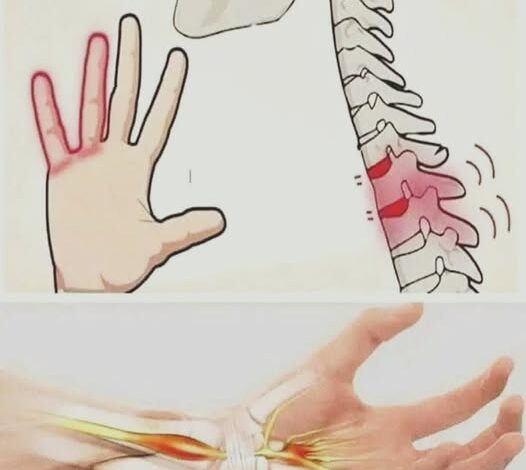
Many people are familiar with the strange tingling sensation that sometimes appears in the hands, arms, fingers, legs, or feet after sleeping in an awkward position or remaining still for too long. The feeling is often described as “pins and needles” and can range from mild numbness to tingling, burning, or temporary weakness in the affected area. Although the sensation usually disappears within a few minutes, it often leaves people wondering what exactly is happening inside the body and whether it could signal something more serious.
This common condition is medically known as paresthesia. According to health experts, paresthesia occurs when pressure is placed on a nerve or when blood flow to a certain part of the body becomes temporarily reduced. When this happens, the affected nerves are unable to send signals normally, creating the unusual sensations people often notice after waking up or sitting in one position for an extended period of time. In most cases, the condition is temporary and harmless, especially when the pressure on the nerve is relieved quickly.
Transient paresthesia is the most common form and usually happens during everyday situations. Sleeping with an arm trapped beneath the body, crossing the legs for too long, leaning awkwardly on a hand, or sitting in a cramped position can all place pressure on nerves. Once movement returns and circulation improves, the tingling gradually fades away. Many people experience this sensation occasionally without any long-term health consequences.
The body relies on nerves to carry signals between the brain and different parts of the body. These nerves help control movement, sensation, temperature awareness, and coordination. When a nerve is compressed, even briefly, communication between the nerve and the brain becomes interrupted. This interruption can produce the familiar numbness or prickling sensation that people describe as pins and needles. Once the pressure is removed, the nerve slowly begins functioning normally again.
Although temporary paresthesia is usually harmless, repeated or long-lasting tingling may sometimes indicate an underlying medical condition. In some cases, nerve irritation can develop because of a herniated disc in the spine, where tissue presses against nearby nerves. This may cause numbness or tingling that radiates through the arms, hands, legs, or feet. Other nerve injuries, including repetitive strain or inflammation, can also contribute to persistent symptoms.
Conditions affecting circulation may also play a role. Reduced blood flow can prevent nerves from receiving enough oxygen and nutrients, causing discomfort or altered sensation. Diabetes is one example of a condition that can damage nerves over time, especially in the feet and hands. This type of nerve damage, called peripheral neuropathy, may cause ongoing numbness, tingling, burning, or weakness that gradually becomes more noticeable.
Carpal tunnel syndrome is another common cause of persistent tingling, especially in the hands and wrists. This condition develops when the median nerve becomes compressed while passing through the wrist. It is often associated with repetitive hand movements such as typing, writing, or prolonged use of tools and electronic devices. Symptoms may begin gradually and often worsen at night or during repeated activities.
In some situations, paresthesia can be linked to neurological conditions that affect the brain or spinal cord. Multiple sclerosis, stroke, encephalitis, and certain tumors may interfere with nerve communication and lead to unusual sensations in different parts of the body. Because these conditions are more serious, persistent or sudden symptoms should never be ignored, especially if they appear alongside weakness, speech problems, confusion, or difficulty walking.
Fortunately, temporary tingling can often be relieved quite easily. The first step is usually to change position and allow circulation to return to the affected area. Stretching the muscles gently can help restore normal blood flow and reduce pressure on the nerves. Some people also find that lightly massaging the area speeds recovery and helps sensation return more comfortably.
Simple movement often improves symptoms quickly. Rotating the wrists, flexing the fingers, standing up, or walking around may help blood circulate more effectively through compressed areas. Remaining active throughout the day and avoiding long periods of immobility may also reduce the frequency of temporary paresthesia episodes. Good posture can make a significant difference as well, especially for people who spend long hours sitting at desks or looking down at screens.
Sleeping position may also contribute to nighttime tingling. Resting with the neck bent awkwardly or placing pressure on the arms for several hours can compress nerves during sleep. Using supportive pillows and maintaining a more neutral sleeping posture may help reduce symptoms. Some people notice improvement after changing mattresses or adjusting how they position their arms while sleeping.
Hydration, balanced nutrition, and overall nerve health also matter. Certain vitamin deficiencies, particularly vitamin B12 deficiency, may contribute to numbness and tingling sensations. Maintaining a healthy diet with adequate nutrients helps support the nervous system and overall circulation. However, persistent symptoms should always be evaluated by a medical professional rather than treated through self-diagnosis alone.
There are important warning signs that should not be ignored. If paresthesia begins suddenly, affects an entire arm or leg, or appears together with weakness, paralysis, confusion, dizziness, or difficulty speaking, immediate medical attention may be necessary. These symptoms can sometimes indicate a stroke or another serious neurological emergency that requires urgent care.
Gradual symptoms that worsen over time also deserve medical evaluation. Tingling that affects both sides of the body, repeatedly comes and goes, or appears during certain repetitive activities may point to chronic nerve irritation or an underlying health issue. Persistent numbness in the fingers or toes can sometimes indicate circulation problems, nerve compression, or other conditions that benefit from early treatment.
Head injuries should also be taken seriously. If numbness or tingling appears after a fall, accident, or impact to the head or spine, doctors may need to rule out nerve damage or internal injury. Severe headaches combined with numbness, dizziness, or confusion should never be ignored, especially when symptoms appear suddenly or intensely.
While occasional pins and needles are extremely common and usually harmless, the nervous system plays a vital role in every part of the body. Paying attention to changes in sensation can sometimes help identify medical issues early. Understanding the difference between temporary discomfort and persistent symptoms is important for maintaining long-term health and preventing complications.
For most people, paresthesia remains a brief and manageable experience that fades within minutes. However, when symptoms become frequent, painful, or difficult to explain, seeking medical advice is the safest and most responsible step. Early evaluation can help determine whether the cause is simple nerve pressure or something requiring further treatment.
Modern medicine has greatly improved the understanding of nerve-related conditions. Doctors today can evaluate circulation, nerve function, spinal health, and neurological activity through various tests and examinations. Treatment depends on the underlying cause and may include physical therapy, medication, lifestyle changes, ergonomic adjustments, or other supportive care strategies.
Ultimately, the occasional tingling sensation many people experience is often nothing more than the body signaling temporary nerve compression. Yet the body also uses these sensations to communicate when something may need attention. Listening carefully to those signals, especially when symptoms change or persist, can help protect overall health and improve quality of life over time.