Dad Puts Daughters in Car and Starts Fire — Neighbors Rush to Save Them
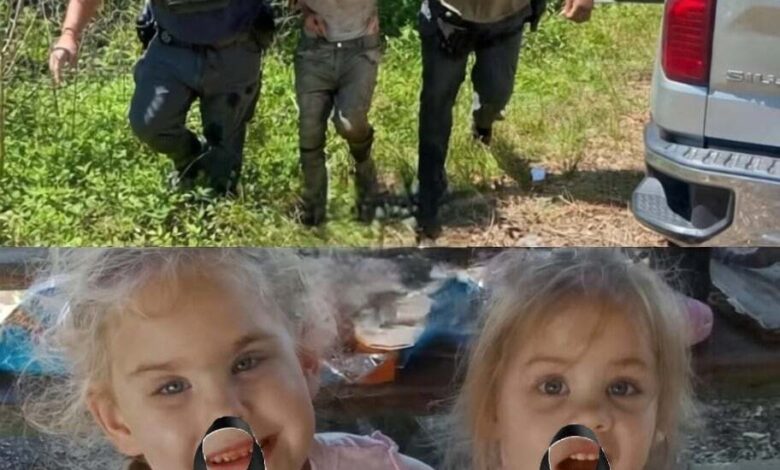
Some stories stop people in their tracks because they make us confront the fragility of everyday life, not because they are spectacular.
This neighborhood was shaken not only by the immediate danger but also by how quickly things could have gone horribly wrong. Neighbors observed smoke in the middle of a typical day and realized something was seriously wrong. They didn’t think twice. They approached the threat, made a request for assistance, and reacted fast enough to save the lives of two little girls. Instead of turning into a far bigger tragedy, it served as a sobering reminder of how much may depend on a few courageous seconds.
That is the section of the narrative that you should pay close attention to. These neighbors did the exact opposite in a society where it is common to blame individuals of turning away. They listened. They had faith that something was amiss. They intervened. And as a result, a community was left with thankfulness rather than intolerable sorrow, and two children were saved from harm.
However, there is a deeper pain in the story as well. It is rare for the harm to occur all at once when a parent reaches their breaking point. It frequently marks the conclusion of a much longer unraveling that others may not have fully understood or may not have known how to respond to. In situations such as these, reports and official reactions typically indicate extreme stress or severe mental health distress, and authorities routinely enlist crisis support and child protection services to help stabilize the situation. That does not negate accountability, but it does serve as a reminder that invisible pain frequently precedes human breakdown.
The heart must remain truthful in this situation. Being compassionate does not entail downplaying the significance of something frightening. It indicates that a human situation cannot be reduced to mere indignation. Children need to be kept safe. Safety has to come first. Once that truth is established, however, a community needs to explore more difficult questions, such as how many warning indicators are overlooked before someone has an internal breakdown. How many people, while the outside world believes they are coping, secretly harbor hopelessness? How many families are just one untreated crises away from catastrophe?
The neighbors’ prompt action is not the only compelling aspect of this tale. The reason for this is that their bravery revealed what communities should be. Until a catastrophe compels us to recognize one another, we are not supposed to coexist as strangers. Before then, we are supposed to notice each other’s tension. to make an appointment. to re-ask. to tell when someone is sinking rather than just exhausted. to provide assistance before suffering becomes dangerous.
Many people learn the lesson from situations like this. Seldom is prevention dramatic. It appears to be a phone call, a visit, a discussion, and a straightforward inquiry: Are you alright? Families appear to be talking openly about weariness, stress, and emotional breakdown before shame turns quiet into seclusion. Communities appear to be developing enough trust that seeking assistance does not seem like a sign of failure.
Even though the kids were safe, what transpired here left people rattled. That type of fear takes time to go away. Children are held closer by their parents. The scene is repeated in the thoughts of the neighbors. Everyone is curious about what may have happened if the smoke had remained undetected for a bit longer. In these situations, relief and sadness frequently coexist. relief that no one was killed. It was heartbreaking that the problem even occurred.
Stories like this also include a spiritual truth: people don’t always shatter noisily. Routine, pride, or fatigue can sometimes conceal the deepest sorrow. Vigilance is therefore a kind of kindness. It is mercy to pay attention. It’s mercy to reach out early. A private battle may be prevented from becoming a public emergency by refusing to make fun of or ignore someone’s obvious unraveling.
Thus, this story’s true significance extends beyond a single neighborhood. It serves as both a cautionary tale about apathy and an example of the strength of common bravery. Because individuals moved in the direction of harm rather than away from it, two young girls are safe. That is important. It is really important.
And whether or not we would take action in a crisis is not the only question that still needs to be answered by the rest of us. It is whether we would be able to intervene before the crisis arises if we were aware of the suffering.