‘Star Wars’ actor Michael Pennington dies at 82
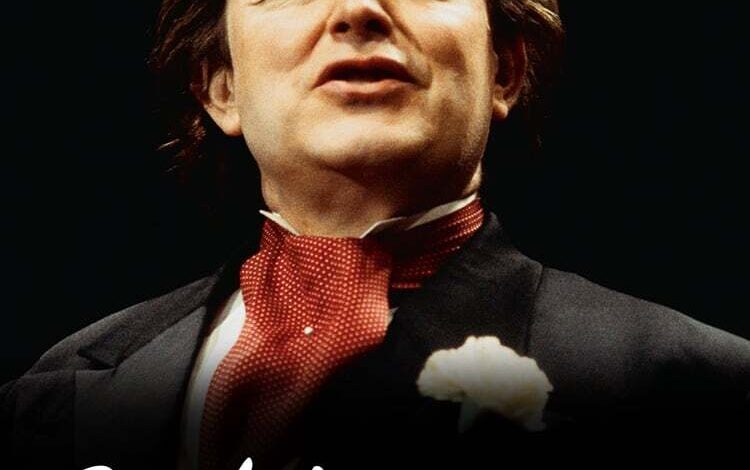
Hollywood is mourning. Fans across generations are stunned. And the quiet, intellectual boy from Cambridge who once helped oversee the Death Star on screen has now taken his final bow.
As emotional tributes pour in from grieving co-stars, theatre legends, and lifelong friends, the full weight of the loss surrounding Michael Pennington is only beginning to settle in. For many fans, he will forever remain connected to the vast mythology of Star Wars: Episode VI – Return of the Jedi, remembered as the uneasy Imperial officer Moff Jerjerrod standing inside one of cinema’s most iconic villains’ empires. But those who truly knew his work understood that his legacy stretched far beyond a galaxy far, far away.
This was not simply another actor from a beloved franchise.
This was a man who dedicated his life to language, theatre, storytelling, and the emotional truth hidden inside performance itself.
To millions of moviegoers, Pennington’s face became permanently tied to the looming shadow of the second Death Star, his restrained performance adding tension and humanity to the cold machinery of the Empire. Yet on stage, away from blockbuster spectacle and cinematic mythology, he became something even more extraordinary: one of Britain’s most respected and deeply thoughtful interpreters of Shakespeare.
Audiences who watched him perform described an actor capable of transforming centuries-old dialogue into something startlingly intimate and alive. His performances never felt distant or theatrical in the traditional sense. Instead, they carried emotional precision, vulnerability, and intelligence that made ancient characters feel painfully modern and human.
Whether performing Hamlet’s torment, exploring political power, or unraveling emotional grief through Shakespearean verse, Pennington brought a rare intensity that resonated far beyond the stage itself.
In 1986, he helped co-found the English Shakespeare Company, a project driven by the belief that classical theatre should never feel inaccessible or frozen in history. He devoted decades to making Shakespeare urgent, emotional, and relevant for contemporary audiences. For Pennington, theatre was never about preserving tradition like a museum piece — it was about making audiences feel something real.
That mission defined his career.
Throughout the years, he collaborated with towering figures of British theatre including Judi Dench and Michael Williams, earning admiration not only for his talent but for his humility, discipline, and relentless dedication to the craft. Colleagues often described him as intensely intelligent yet deeply generous — an actor more concerned with serving the story than chasing celebrity.
Even outside the theatre world, his range remained remarkable.
From appearances in The Iron Lady to his later voice work in Raised by Wolves, Pennington continued evolving as an artist long after many performers settle into nostalgia or repetition. He kept searching for new challenges, new interpretations, and new emotional landscapes to explore.
That restless artistic curiosity became one of the defining features of his life.
Now, as tributes continue flooding social media and theatre communities around the world, the grief surrounding his passing feels unusually personal. Fans remember not just the characters he played, but the sincerity and intelligence he brought to every role. Fellow actors speak about his kindness backstage, his patience with younger performers, and the quiet passion he carried for storytelling until the very end.
For science fiction fans, he will remain part of one of the most beloved cinematic universes ever created.
For theatre lovers, he represented something rarer.
A craftsman.
An artist who believed words mattered. That performance mattered. That human emotion — honestly expressed — still had the power to move people across generations and across time itself.
And perhaps that is why his loss feels so profound.
Because Michael Pennington didn’t merely appear in stories.
He devoted his life to making stories feel alive.