A Closer Look at Ted Turner’s Extensive Empire Across the United States

Ted Turner is widely recognized as one of the most influential figures in modern media history, best known for founding CNN and transforming global news broadcasting. Born in 1938 in Cincinnati, Ohio, Turner went on to build a media empire that reshaped how audiences accessed real-time information. His legacy in television is closely tied to innovation, risk-taking, and the creation of the world’s first 24-hour news network. CNN, launched in 1980, marked a turning point in media history.
Before its creation, news was typically delivered in scheduled segments rather than continuous coverage. Turner’s vision changed that model entirely, introducing a format that allowed audiences to follow global events as they unfolded. This innovation not only influenced journalism but also reshaped public expectations of news accessibility. Beyond CNN, Turner expanded his media holdings to include several major entertainment and broadcasting networks.
These included TNT, TCM, and Cartoon Network, each of which played a role in shaping modern television culture. He also became involved in professional sports ownership, including the Atlanta Braves and Atlanta Hawks, further extending his influence beyond media into sports and entertainment industries.
While Turner became publicly known for his business achievements and outspoken personality, reports and biographies also highlight a complex personal background. His early life was marked by family instability, strict discipline, and emotional challenges. These experiences, according to multiple biographical accounts, had a lasting impact on his worldview and personal development.
Turner’s relationship with his father has been frequently discussed in biographical materials. Letters and recollections suggest a strict and often critical parenting style, which influenced Turner’s independence at a young age. His father’s expectations regarding education and career choices reportedly created tension, eventually contributing to Turner leaving formal studies and entering the family business.
Tragedy also played a role in Turner’s early life. His sister suffered from a severe illness, and her death deeply affected the family. Turner later reflected on how this experience influenced his perspective on life, suffering, and questions of faith. These personal challenges are often cited as formative influences in his later philanthropic and environmental interests.
After leaving university, Turner returned to work within the family billboard business, which became an early foundation for his entrepreneurial development. Over time, he expanded this business base into larger media ventures, eventually leading to the creation of Turner Broadcasting System. This growth positioned him as a major figure in American business and media by the late 20th century.
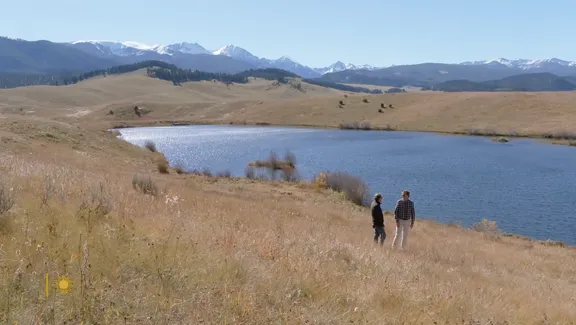
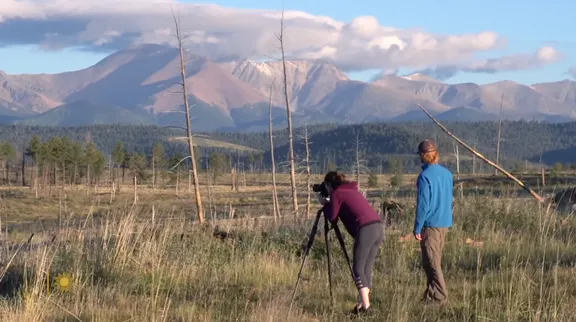
One of the lesser-known but widely documented aspects of Turner’s legacy is his extensive land ownership in the American West. At his peak, he reportedly owned close to two million acres of land across multiple states, making him one of the largest private landowners in the United States. These properties included ranches in Montana, New Mexico, Nebraska, and other western states.
Turner’s ranches were not only used for personal retreat but also became part of a broader conservation effort. According to environmental reports and interviews, Turner invested heavily in wildlife restoration projects. His land management practices included the reintroduction of species such as bison and other native wildlife, aiming to restore ecological balance in certain regions.
A≈2,000,000 acresA \approx 2{,}000{,}000 \text{ acres}A≈2,000,000 acres
This large-scale land ownership allowed Turner to experiment with conservation models that combined private land use with ecological preservation. Some of his ranches were later described in media reports as resembling private nature reserves due to their size, biodiversity, and limited development.
Turner’s personal life also attracted significant public attention, particularly his relationship with actress and activist Jane Fonda. Their relationship became highly visible in the early 1990s and was frequently covered by media outlets due to their combined public influence. Both individuals were already well-known figures in their respective fields before their relationship began.
According to published accounts, Turner and Fonda shared common interests in environmental issues and activism. Their relationship included public appearances, travel, and time spent at Turner’s ranch properties. They eventually married in 1991, though the marriage later ended in divorce. Despite this, both remained influential figures in public life.
In addition to media and personal developments, Turner’s ranches continued to evolve as part of his conservation philosophy. Some reports describe efforts to combine sustainable land use with controlled tourism and educational initiatives. These programs were designed to generate revenue while minimizing environmental impact, a concept sometimes referred to as conservation-based enterprise.
Conservation Focus=Wildlife Preservation+Sustainable Land Use\text{Conservation Focus} = \text{Wildlife Preservation} + \text{Sustainable Land Use}Conservation Focus=Wildlife Preservation+Sustainable Land Use
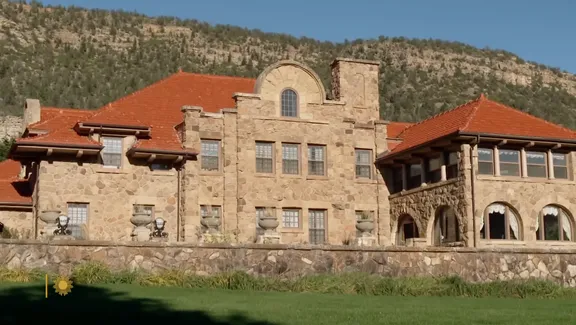
Properties such as the Vermejo Park Ranch in New Mexico became symbols of this approach. Covering hundreds of thousands of acres, the ranch included diverse ecosystems ranging from forests to mountains and grasslands. It also featured residential structures, wildlife habitats, and conservation facilities.
In later years, Turner’s health became a subject of public reporting, including mentions of neurological conditions. These developments added another dimension to public interest in his life, particularly as discussions about his legacy and long-term environmental contributions increased.
Following his death, tributes focused not only on his media achievements but also on his environmental work and personal impact on American conservation efforts. His influence is often described as spanning multiple fields, including journalism, entertainment, sports, and ecological preservation.
Some media discussions also revisited archival material related to Turner’s early CNN projects, including experimental emergency broadcast concepts developed during the network’s early years. These materials are typically referenced in historical contexts of broadcast innovation rather than confirmed real-world emergency use.
Ultimately, Ted Turner’s legacy is complex and multifaceted. He is remembered as a media innovator who reshaped global news coverage, a businessman who built major entertainment platforms, and a landowner who invested heavily in conservation efforts. His life story continues to be analyzed in terms of both technological impact and environmental influence.
While public fascination often focuses on specific aspects of his biography, the broader picture reflects a long career that intersected with major developments in media history and land conservation in the United States. His contributions remain part of ongoing discussions about how private wealth and public influence can shape industries and landscapes over time.