Americans linked to the hantavirus outbreak are now back in the US
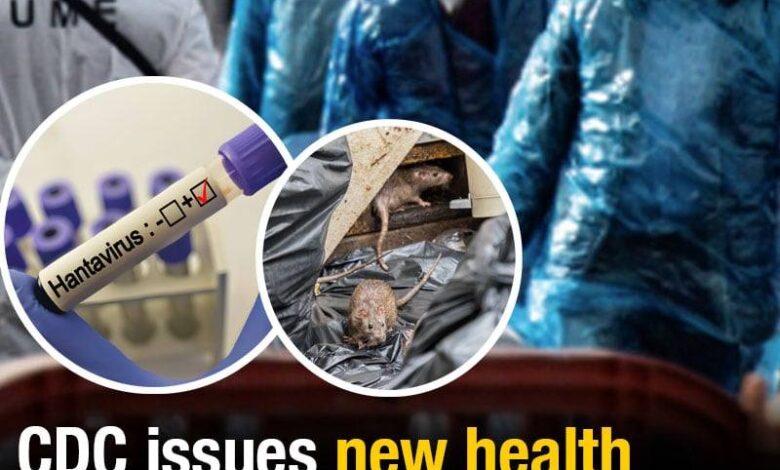
Hantavirus in the News: What You Should Know Behind the Headlines
Every so often, health-related stories start circulating rapidly across social media, often framed in a way that feels alarming or urgent. Recently, posts mentioning a so-called “hantavirus outbreak” have spread online, creating confusion and concern among readers.
While these types of headlines can seem worrying, they often lack verified medical confirmation or proper public health context. Understanding what hantavirus actually is—and how it spreads—helps separate facts from online speculation.
What Hantavirus Actually Is
Hantavirus is a family of viruses carried mainly by wild rodents, particularly deer mice in North America.
People can become infected through contact with:
- rodent urine
- droppings
- or saliva
The virus does not spread easily from person to person in the United States, which is an important point often missing in viral online posts.
In rare cases, infection can lead to a serious condition known as Hantavirus Pulmonary Syndrome (HPS).
How Infection Typically Happens
Most infections occur when contaminated particles from rodent waste become airborne and are inhaled.
Common risk situations include:
- cleaning closed or abandoned buildings
- opening sheds, cabins, or storage spaces with rodent activity
- disturbing dust in contaminated areas
Casual outdoor contact with rodents does not automatically mean infection risk.
Early Symptoms to Be Aware Of
Initial symptoms often look similar to common flu-like illnesses, which can delay diagnosis.
These may include:
- fever
- fatigue
- muscle aches
- headaches
- chills
- dizziness
In more severe cases, symptoms can progress to:
- breathing difficulties
- coughing
- fluid accumulation in the lungs
Because early signs are not specific, medical attention is important if rodent exposure is suspected.
Why These Stories Go Viral Online
Health-related headlines tend to spread quickly because they combine fear, uncertainty, and emotional language.
However, many viral posts do not come from verified medical sources and may exaggerate or misinterpret information.
In the United States, agencies like the Centers for Disease Control and Prevention (CDC) consistently report that hantavirus cases remain rare each year.
What “Outbreak” Really Means
In public health terms, an outbreak refers to a confirmed increase in cases within a specific area and timeframe, verified through medical testing.
On social media, however, the word is often used loosely without confirmation, which can create unnecessary panic.
It is important to distinguish between:
- verified health alerts from official agencies
- and unverified online claims
How Common Is Hantavirus?
Hantavirus is considered rare in the United States.
Most reported cases are isolated and linked to specific rodent exposure events, often in rural or semi-rural environments.
It is not a widespread contagious illness in the general population.
Who Is at Higher Risk
Higher exposure risk may apply to people who:
- clean rodent-infested areas
- work in farming or rural construction
- live in areas with heavy rodent activity
- store food in unsecured environments
For most people living in urban environments, the risk remains low.
Prevention Is the Key
Public health experts emphasize prevention as the most effective protection.
Simple safety steps include:
Rodent control
- sealing home entry points
- storing food securely
- reducing clutter where rodents may nest
Safe cleaning practices
- ventilating closed spaces before cleaning
- avoiding dry sweeping of droppings
- using disinfectants instead of dry dusting
Protection
- wearing gloves when cleaning
- using masks in enclosed contaminated areas
Treatment and Medical Care
There is currently no specific antiviral cure for hantavirus.
Treatment focuses on supportive hospital care such as:
- oxygen therapy
- respiratory monitoring
- intensive care support when needed
Early detection significantly improves outcomes.
Why Fear Spreads Faster Than Facts
In the digital era, emotional headlines often travel faster than verified medical information.
This happens because:
- dramatic content gets more engagement
- complex health topics get oversimplified
- social media amplifies uncertainty
As a result, rare illnesses can appear more widespread than they actually are.
The Role of Public Health Agencies
Organizations such as the CDC continuously:
- monitor infectious diseases
- investigate confirmed cases
- publish verified updates
- provide prevention guidance
When real health threats emerge, official agencies release clear and evidence-based information.
Final Thoughts
Claims circulating online about a major hantavirus outbreak or travel-linked cases should be treated carefully unless confirmed by official health authorities.
What is medically established is that hantavirus:
- is rare
- is primarily rodent-borne
- does not spread easily between people
- and can be prevented through proper hygiene and safety practices
While viral posts may create fear, the actual risk to the general public remains low.
Staying informed through verified health sources is the best way to avoid confusion and unnecessary panic in today’s fast-moving online environment.