The search for 18-year-old twins Carolina and Luiza is over, they were dea…
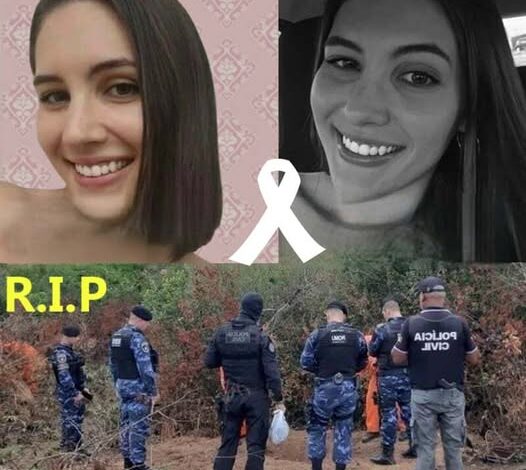
After the hope died, the silence began. The frantic energy that had filled streets, social media feeds, and family homes suddenly collapsed into something far heavier. The 18-year-old twins everyone had prayed would be found alive were gone, and even after confirmation arrived, many people struggled to believe it was real. For days, their names had carried hope. Strangers refreshed updates constantly, volunteers searched tirelessly, and families whispered desperate promises to themselves that somehow the girls would come home safely. Then the news shattered everything at once. Carolina and Luiza had been found dead.
No headline could fully capture what that moment did to the people who loved them.
Inside the family’s world, grief arrived like a collapse too enormous to process all at once. Parents who had spent sleepless nights clinging to possibility suddenly faced the unbearable reality that the daughters they searched for were never coming home. Relatives who had repeated hopeful words through tears now found themselves staring into silence, trying to understand how life could split so violently into a “before” and an “after.” The shock spread far beyond blood relatives. Friends, classmates, neighbors, and even complete strangers who followed the search felt something inside them break too.
Because during the search, the twins had become more than missing persons.
They became symbols of shared hope.
In the days before they were found, entire neighborhoods seemed to move together under one fragile emotional mission: bring the girls home. Volunteers searched streets, wooded areas, abandoned spaces, and roadsides. Social media transformed into a flood of photos, timelines, sightings, and prayers. People who had never met the twins stayed awake late into the night scrolling for updates, emotionally investing themselves in the possibility of rescue. Search efforts have a strange power to unite communities because hope itself becomes collective. Everyone silently imagines the same ending: the girls alive, frightened perhaps, but safe.
That is why the loss feels so devastating when hope collapses.
Now candles flicker where laughter once echoed. Flowers gather on school steps, sidewalks, memorial sites, and street corners touched by the twins’ memory. Friends leave handwritten notes beside photographs, struggling to summarize lives that meant far more than any tribute can capture. Online, social media pages once dedicated to searching for the girls have transformed into spaces of mourning filled with heartbreak, disbelief, and messages frozen somewhere between grief and denial.
People who knew Carolina and Luiza describe a bond so close it felt impossible to separate one from the other. They moved through life side by side, sharing secrets, routines, jokes, fears, and plans for the future. Friends remembered how they rarely walked into a room alone, how one instinctively looked for the other even in ordinary moments. Twins often share a connection difficult for outsiders to fully understand, and that closeness makes tragedies like this feel even more haunting.
Investigators are now racing to reconstruct the twins’ final hours, searching for answers hidden inside phone records, witness accounts, surveillance footage, timelines, and forensic evidence. Every detail matters. Every unanswered question becomes emotionally loaded because families naturally need explanations when something so devastating happens. Authorities continue piecing together what led to the girls’ deaths, knowing the public desperately wants clarity even while understanding that some truths may never fully heal the damage left behind.
As the investigation continues, another painful reality begins emerging quietly in the background: eventually the headlines will fade. News cycles move on. Cameras disappear. Public attention shifts elsewhere. But for the people who loved the twins, time does not simply reset. Bedrooms remain untouched. Conversations stop mid-sentence forever. Plans once discussed casually suddenly become permanent ghosts hanging inside family memories.
That lingering absence is what grief truly becomes — not only sadness over death itself, but the constant collision with futures that will never happen now.
The tragedy has also reopened difficult conversations about safety, vulnerability, and how quickly ordinary life can unravel. One moment, young people are making plans for tomorrow, texting friends, laughing about small things, moving through routines that feel endless. Then suddenly everything changes, leaving families and communities trying to understand how fragile life actually is beneath the illusion of normalcy.
Perhaps that is why stories like this affect so many people personally, even those far removed from the victims themselves. The twins represented youth, closeness, possibility, and the assumption that there would always be more time ahead. Their deaths force people to confront how quickly light can disappear from the world, and how helpless human beings often feel when faced with irreversible loss.
Yet even in grief, memory fights against disappearance.
Friends continue sharing stories about the twins’ laughter, their personalities, their habits, and the little moments outsiders never saw. Families cling tightly to photographs, voice messages, birthdays, inside jokes, and unfinished dreams because remembering becomes a way of refusing to let death have the final word completely.
And long after the investigation ends and the public attention fades, the story of Carolina and Luiza will continue living quietly inside the people who loved them most — not only as a tragedy, but as a reminder of how fiercely human beings hold onto hope, and how deeply they ache when that hope is taken away.