The Shocking Downhill Double Decker Disaster That Left An Entire City In Mourning After Nineteen Passengers Lives Were Vanished In Seconds
The rhythm of a bustling city relies entirely on the unspoken trust between everyday commuters and the massive transit systems that carry them home. On what began as a completely ordinary, predictable afternoon in the vibrant district of Tai Po, hundreds of citizens boarded public transportation, expecting nothing more than a routine trip through familiar streets. Workers exhausted from a long day on the job, students carrying heavy backpacks, and families returning from weekend errands settled into their seats. The comforting, familiar hum of a massive double-decker bus offered a sense of absolute security. Passengers looked out the windows at the passing cityscape, scrolled through their mobile devices, or drifted off to sleep, completely unaware that they were riding inside a ticking time bomb.
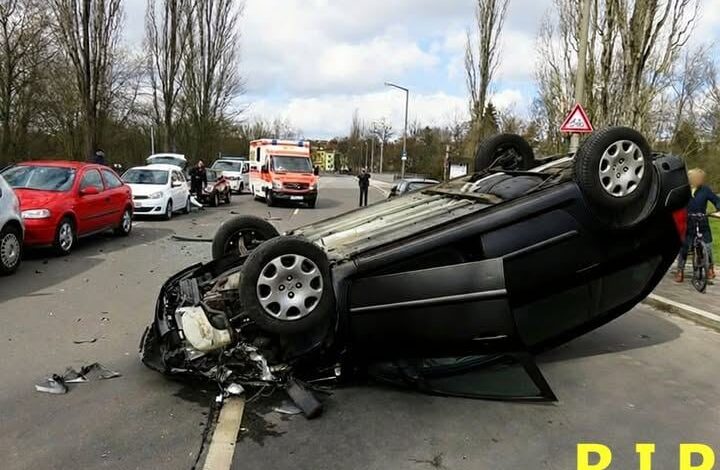
Without a single moment of warning, that peaceful atmosphere of everyday boredom was utterly shattered into a million pieces. As the heavy, packed double-decker bus began to navigate a steep, notorious downhill stretch of road, the vehicle’s stability completely failed. The immense momentum of the top-heavy bus became impossible to manage as it lost control, swerving erratically across the asphalt. Seconds later, the vehicle struck the barrier and overturned with a sickening, brutal force that echoed across the entire neighborhood. The sheer violence of the impact hurled passengers violently from their seats, turning the interior of the bus into a chaotic blender of shattered glass, heavy metal panels, and loose personal belongings.
The structural devastation was concentrated with horrific precision. As the double-decker bus crashed heavily onto its side, the immense weight of the lower frame collapsed inward, completely crushing a significant portion of the upper deck. This upper level, traditionally favored by passengers seeking a scenic view or a quiet spot to rest during their commute, instantly transformed into a terrifying, claustrophobic trap of twisted aluminum and steel. For the nineteen individuals who lost their lives in those fleeting, terrifying moments, there was absolutely no escape. The brutal compression of the vehicle’s ceiling meant that those sitting on the upper deck bore the absolute brunt of the kinetic energy, resulting in instant fatalities and leaving dozens of others pinned beneath heavy chunks of debris, fighting for every single breath.
Within minutes of the catastrophic impact, the surrounding area was flooded with the deafening wail of emergency sirens as rescue teams, paramedics, and fire brigades rushed to the grisly scene. The sight that greeted first responders was nothing short of a war zone. The massive bus lay sprawled across the roadway like a fallen giant, surrounded by a sea of glittering glass shards and fluids leaking onto the pavement. Stunned bystanders and survivors who managed to crawl out of the broken windows stood on the sidewalks in a state of absolute shock, covered in dust and blood. Rescue personnel immediately initiated a highly complex, dangerous extrication operation, utilizing heavy-duty hydraulic cutters, saws, and pneumatic tools to slice through the mangled metal framework in a desperate bid to reach the wounded passengers trapped deep inside the belly of the wreckage.
As the frantic rescue operation pushed forward under the glaring lights of emergency vehicles, local hospitals were rapidly placed on the highest level of alert to handle the sudden, overwhelming influx of trauma patients. Fleet after fleet of ambulances sped away from the crash site, their sirens piercing the air as they transported the severely injured to nearby emergency rooms. Inside the medical facilities, doctors, nurses, and surgeons worked tirelessly around the clock, fighting to stabilize patients suffering from severe fractures, internal bleeding, and profound head trauma. Simultaneously, the hospital waiting rooms began to swell with a desperate crowd of frantic family members who had heard initial rumors of the crash on the news and rushed over, terrified that their loved ones might have been on that specific, ill-fated route. The heavy silence in those rooms was broken only by the sound of muffled weeping and the constant, anxious pacing of people praying for a miracle.
While the city grappled with the sheer scale of the human tragedy, a wave of intense anger and demand for accountability quickly began to sweep through the community. The grief turned into profound outrage when local authorities announced the immediate arrest of the thirty-year-old bus driver. Taken into custody directly from the scene of the accident, the operator was booked on serious charges of suspicion of dangerous driving causing death and severe bodily injury. Initial reports from eyewitnesses and surviving passengers suggested that the bus had been traveling at an unusually high, reckless speed as it approached the downward incline, prompting immediate questions regarding the driver’s judgment, mental state, and adherence to standard safety protocols. The realization that this immense loss of life may have been entirely preventable deepens the emotional wound inflicted upon the public psyche.
In the days following the disaster, a somber cloud has settled permanently over Tai Po. Investigators have begun the meticulous, painstaking process of piecing together the final moments leading up to the crash, analyzing the bus’s internal data recorders, examining mechanical components for potential brake failure, and interviewing every single surviving witness. Yet, regardless of what the final technical reports eventually reveal, no amount of data, legal proceedings, or official explanations can alter the harsh, devastating reality that nineteen families are now forced to confront. Vacant chairs sit at dinner tables, phone calls go forever unanswered, and the dreams of nineteen vibrant individuals have been permanently extinguished because of a single, horrific commute.
This catastrophic event has permanently altered the way local residents view their daily lives. The familiar, mundane act of stepping onto a public bus, tapping a transit card, and finding a seat on the upper deck will never feel simple or safe again. What was once viewed as a mindless, automatic part of a daily routine has now been recast as a stark reminder of how fragile life truly is, and how quickly an ordinary journey home can transform into a historic tragedy. As the community gathers to light candles, lay flowers at the crash site, and support the broken families left behind, the collective grief serves as a powerful testament to a city united in sorrow, forever haunted by the afternoon the double-decker fell.