Newborn Receives Medical Treatment After Unexpected Delivery Room Incident
Reazjhana Williams arrived at a Denver hospital in June 2021 expecting one of the happiest moments of her life. Like many first-time mothers, she had prepared for a natural birth and imagined finally holding her baby girl moments after delivery. Family members described the atmosphere before labor as hopeful and emotional, with everyone excited to welcome the newborn into the world. But within a short period of time, the situation changed dramatically when medical staff struggled to detect the baby’s heartbeat.
What had started as a routine delivery quickly became a medical emergency that forced doctors to act immediately in an effort to protect both mother and child. As concern grew inside the delivery room, doctors informed Reazjhana that an emergency Cesarean section would be necessary. According to her later interviews, the sudden shift happened so quickly that she barely had time to understand what was happening around her.
Nurses and physicians rushed to prepare the operating room while trying to keep the family calm during an extremely stressful moment. Reazjhana later explained that she remembered receiving medication intended to speed up labor before doctors determined that surgery could no longer be delayed. The fear and confusion surrounding those moments would remain with her long after the operation ended.
Emergency C-sections are performed when doctors believe there may be immediate danger to the mother or baby. Medical professionals often have only minutes to respond in these situations, especially when fetal distress is suspected. In this case, hospital staff reportedly feared the baby was in danger because they could not consistently detect her heartbeat. While emergency procedures are designed to save lives, they can also involve higher risks and unexpected complications due to the speed and urgency required. For Reazjhana and her family, however, nothing could have prepared them for what they would see after the baby was delivered.
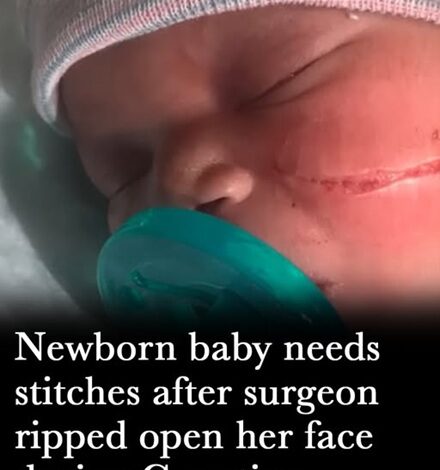
When baby Kyanni was born, her parents immediately realized something was wrong. Instead of the joyful first moments many parents experience, the room filled with shock and concern after they noticed a severe laceration across the infant’s face. The cut stretched deeply along one side of her cheek and required urgent medical attention. Rather than being placed directly into her mother’s arms for bonding, Kyanni was taken away to receive emergency treatment from a plastic surgeon.
The emotional impact of that moment was overwhelming for the family, who had expected a celebration but instead faced fear and uncertainty only seconds after the birth. Doctors reportedly explained that Kyanni’s head had been positioned unusually close to the placenta wall during the procedure, increasing the risk of accidental injury during the incision. Although facial lacerations during C-sections are considered a known medical complication, cases involving deep cuts requiring significant stitches remain relatively rare.
According to statements shared by family members, even the medical staff appeared distressed by the severity of the wound. The baby was quickly transferred for surgical repair while her parents struggled to process what had happened during the delivery. Kyanni eventually received 13 stitches to close the deep facial wound. Photographs later shared by the family showed the newborn with a long stitched laceration running across her cheek, images that quickly attracted widespread attention online and sparked emotional reactions from many people.
For the parents, however, the photographs represented far more than a viral story. They reflected one of the most traumatic moments of their lives and raised painful questions about how such an injury could occur during childbirth. Reazjhana later explained that although she tried to remain understanding about the emergency circumstances, she still felt confused and emotionally devastated by the outcome.
The emotional burden extended beyond the physical injury itself. Most mothers expect to spend the first hours after birth bonding with their newborns, holding them close, and beginning the emotional connection that defines early parenthood. Reazjhana instead watched doctors rush her daughter into treatment while trying to recover from emergency surgery herself. Family members described the situation as heartbreaking because the first memories connected to Kyanni’s birth became linked to fear, pain, and medical uncertainty rather than joy and celebration. The experience deeply affected everyone involved, especially the young parents who were trying to understand how quickly everything had changed.
Kyanni’s grandmother later shared that the family remained shocked by the severity of the injury. She explained that they had never heard of a baby suffering such a visible facial wound during a C-section and struggled to emotionally process the situation. At the same time, relatives acknowledged that doctors had been working under emergency conditions where rapid decisions were necessary. That balance between understanding the urgency of the surgery and coping with the trauma of the injury created a complicated emotional situation for the family in the weeks that followed.
Denver Health later released a public statement addressing the incident. The hospital explained that facial lacerations are recognized complications that can occur during emergency Cesarean deliveries, especially in situations involving difficult positioning or urgent surgical intervention. Officials stated that the hospital’s priority remained the safety and well-being of both mother and child. The statement also confirmed that hospital representatives had been in direct contact with the family following the birth. While the explanation provided medical context, it did little to ease the emotional pain experienced by the parents as they cared for their injured newborn daughter.
As the story spread online and through local news coverage, many people expressed sympathy for the Williams family. Parents across the country shared emotional reactions, especially after seeing the visible stitches on the newborn’s face. Others discussed the unpredictable nature of childbirth and the difficult decisions doctors must sometimes make during emergency deliveries. The situation also sparked broader conversations about communication between medical staff and families during traumatic medical events, particularly when complications occur unexpectedly and leave parents searching for answers.
To help cover medical expenses and support the family during recovery, relatives created a GoFundMe campaign shortly after Kyanni’s birth. The fundraiser quickly gained attention and raised thousands of dollars from supporters moved by the family’s story. Donations came from strangers as well as members of the local community who wanted to help ease the financial burden associated with medical care and recovery. The public response demonstrated how deeply people were affected by the emotional story surrounding the newborn’s difficult start in life.
Despite the painful beginning, the family remained focused on Kyanni’s healing and future recovery. Infants often possess remarkable healing abilities, and doctors hoped the surgical treatment would minimize long-term scarring as she grew older. Family members continued sharing updates while expressing gratitude for the support they received from people around the country. Although the experience remained traumatic, they also emphasized their relief that both mother and baby survived a frightening medical emergency that could have ended far more tragically.
The story of Reazjhana Williams and baby Kyanni became widely discussed because it combined several deeply emotional realities at once: the unpredictability of childbirth, the fear surrounding emergency medical procedures, and the vulnerability parents feel when unexpected complications arise. It also reminded many people that even routine medical procedures can become high-pressure situations where doctors must make rapid decisions under difficult conditions. While questions and emotions surrounding the birth remained complex, one thing stayed clear throughout the ordeal: the family’s overwhelming love and determination to support their daughter through recovery.
Today, the incident continues to resonate with many parents because it highlights both the fragility and resilience present in moments of crisis. What began as a joyful anticipation of new life transformed within minutes into a frightening emergency that no family expected. Yet through the fear, uncertainty, and emotional pain, the Williams family focused on helping Kyanni heal and move forward. Their experience stands as a reminder of how quickly life can change during childbirth and how deeply those moments can shape families for years to come.