ONE MONTH BEFORE A STROKE, YOUR BODY MAY SEND THESE WA:RNING SIGNS — AND THEY CAN BE DIFFERENT FOR MEN AND WOMEN
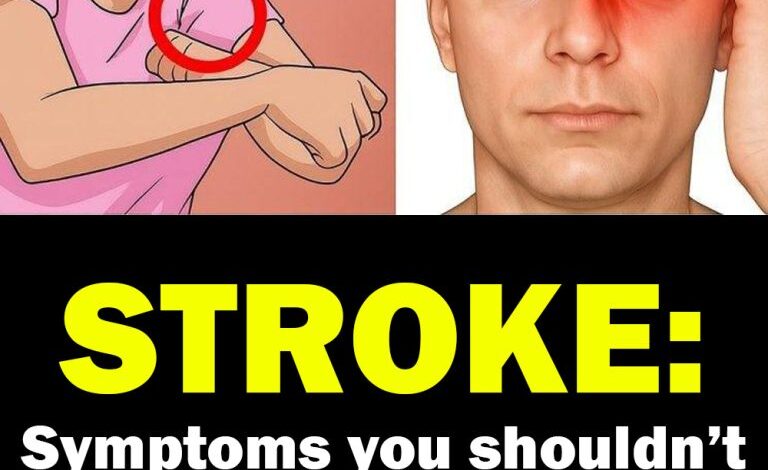
Most people imagine a Stroke as something sudden and dramatic — a person collapsing without warning, speech disappearing instantly, panic erupting in seconds. And sometimes strokes do happen that way. But many begin much more quietly. The body often whispers before it screams. Small symptoms appear briefly, disappear again, and get brushed aside as stress, exhaustion, dehydration, aging, or “just one of those days.”
That is what makes strokes so dangerous.
The warning signs are often subtle enough to ignore right up until the moment life changes permanently.
A strange dizzy spell while standing in the kitchen.
Words suddenly refusing to come out correctly for a few seconds.
A hand that briefly feels numb before returning to normal.
An unexplained wave of confusion that passes quickly enough to dismiss.
A crushing fatigue that feels different from ordinary tiredness.
Most people do not immediately think “stroke” when these things happen. They think they need sleep, water, less stress, or a day off. And because the symptoms sometimes disappear within minutes, many convince themselves the danger has passed.
But in some cases, the body was issuing a final warning.
Doctors refer to these temporary episodes as transient ischemic attacks, often called “mini-strokes.” Unlike major strokes, the blockage may clear quickly, causing symptoms to fade. That temporary recovery tricks many people into feeling safe again. Yet mini-strokes are medical emergencies because they can signal a much larger stroke may follow within hours, days, or weeks.
In other words, the brain may already be telling you something is dangerously wrong.
One of the biggest problems is that stroke symptoms do not always look identical from person to person. Many people know the classic warning signs: facial drooping, weakness on one side of the body, slurred speech. Those symptoms are extremely important and should never be ignored. But strokes can also appear in quieter, stranger ways that people do not immediately recognize.
Some individuals suddenly lose balance for no obvious reason.
Others experience blurred vision or temporary blindness in one eye.
Some describe feeling detached, mentally foggy, or unable to understand simple conversations.
A severe headache may appear abruptly, especially if it feels unlike any headache experienced before.
Women, in particular, may experience symptoms that do not fit the stereotypical image many people expect. Alongside more recognizable stroke signs, women sometimes report nausea, shortness of breath, unusual pain, disorientation, or a deep overwhelming sensation that something is profoundly wrong. Because these symptoms can mimic anxiety, exhaustion, or illness, they are sometimes dismissed dangerously late.
That delay matters enormously.
During a stroke, brain cells begin dying because blood flow becomes blocked or disrupted. The longer treatment is delayed, the greater the risk of permanent damage involving speech, movement, memory, personality, or survival itself. Modern medicine can sometimes dramatically reduce damage if treatment begins quickly enough — but time is absolutely critical.
That is why health professionals teach the FAST warning system:
Face drooping.
Arm weakness.
Speech difficulty.
Time to call emergency services.
If someone’s smile suddenly appears uneven, if one arm drifts downward unexpectedly, or if speech becomes slurred or confusing, emergency help should be called immediately. Even if symptoms improve after a few minutes, it is still essential to seek medical care. Temporary improvement does not guarantee safety.
One of the cruelest aspects of strokes is how ordinary life feels moments beforehand.
People are cooking dinner, answering emails, driving home, folding laundry, watching television, or talking with family when something suddenly shifts inside the brain. Survivors often describe realizing afterward that warning signs had appeared earlier — small moments they dismissed because they did not want to believe something serious was happening.
“I thought I was just tired.”
“I blamed stress.”
“I figured it would pass.”
“It only lasted a minute.”
Those sentences appear again and again in stroke stories.
Risk factors also quietly build over years without obvious symptoms. High blood pressure, smoking, diabetes, obesity, high cholesterol, heart disease, chronic stress, lack of exercise, and certain genetic factors all increase stroke risk. Yet many people feel healthy enough day-to-day that they never imagine themselves vulnerable until symptoms arrive suddenly.
That is why awareness matters so much.
Listening to the body is not weakness or paranoia. Sometimes it is survival. Sudden neurological symptoms — even brief ones — deserve attention, especially when they involve speech changes, weakness, numbness, vision problems, confusion, severe headaches, or balance disturbances.
And perhaps the most important truth is this:
Many strokes are survivable.
Many lives are saved because someone acted quickly.
Many devastating outcomes are reduced because a person chose not to ignore the warning signs.
The body often tries to speak before catastrophe arrives.
The danger is how easy it can be to silence those warnings until it is too late.
A strange feeling.
A few slurred words.
A brief moment where something feels “off.”
Sometimes those whispers are the brain asking for help before everything changes.