This Hollywood Star’s Life Off-Screen Is More Fascinating Than His Films
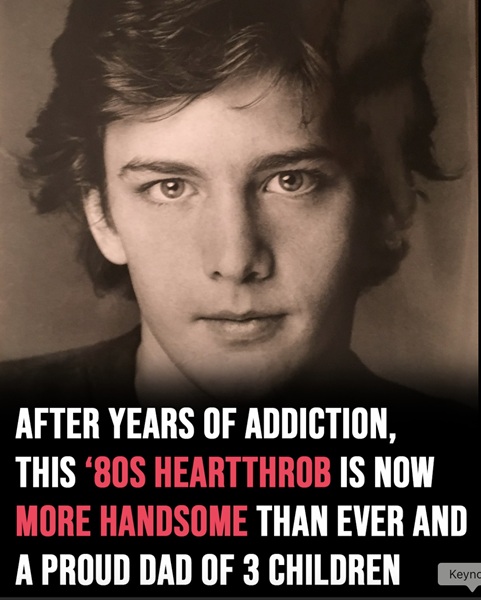
In the landscape of 1980s pop culture, few faces defined a generation quite like Andrew McCarthy. He was the boy every girl swooned over and every teen idolized.
The kind of face that seemed destined to plaster posters, lunchboxes, and magazine covers across bedrooms and school halls.
With tousled dark hair, a disarming smile, and a quiet charm that could disarm even the most skeptical critics, McCarthy seemed effortlessly perfect. He made awkward high school crushes feel personal and intimate, as though each viewer shared a private connection with him.
Yet behind the polished photos and public persona, a more complex story was unfolding — one that went far beyond fame, admiration, and box-office success.
Humble Beginnings
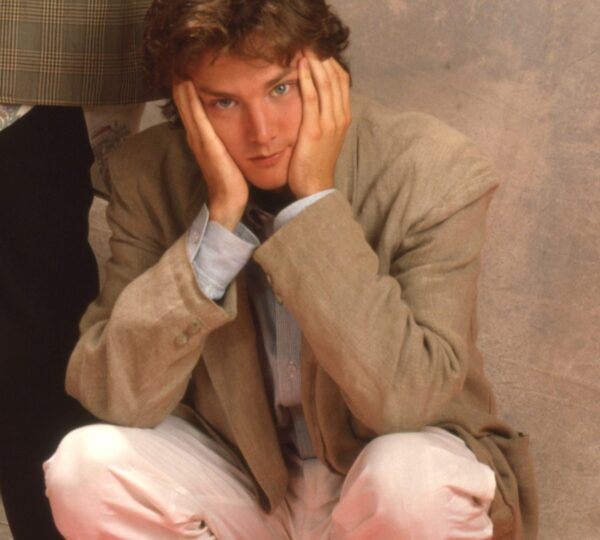
Andrew McCarthy was born on November 29, 1962, in Westfield, New Jersey, the third of four boys in a working-class family. His mother worked at a newspaper, and his father managed investments — far removed from the glamour of Hollywood.
By his own account, McCarthy felt entirely unprepared for stardom: “I was totally unprepared for any kind of success when I was a young person. I didn’t know anyone who was successful in that way in show business, or famous. I also temperamentally wasn’t particularly suited for it. Attention made me recoil.”
Despite his natural charm, McCarthy’s early life was marked by feelings of isolation and social discomfort. During high school, he often felt out of place, a sentiment he would later describe as a sense of profound loneliness.
Acting became both a refuge and a passion — a way to step into other lives and explore worlds beyond the confines of his New Jersey upbringing.
After graduating, McCarthy enrolled at New York University (NYU) to study acting, but his academic journey was far from smooth. He was expelled after two years, admitting with characteristic honesty: “I didn’t really go [to class].”
Though unconventional, this detour inadvertently positioned him for one of the most significant breaks of his life.
A Sudden Leap into Stardom
Shortly after leaving NYU, McCarthy responded to an open casting call for the 1983 film Class, which starred the legendary Jacqueline Bisset. In a story that reads like Hollywood folklore, he recalled: “I waited for hours with 500 other kids, and they called me back.
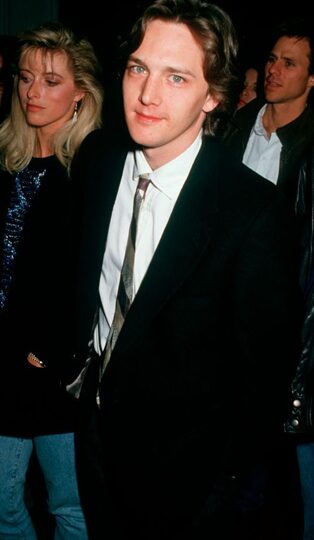
It was so out of the blue. One week I was in school, and the next week I’m in bed with Jacqueline Bisset. I thought, ’I’m doing something right here.’”
Playing Jonathan in Class, McCarthy’s role as a prep-school student romancing his roommate’s mother catapulted him into the public eye. The performance was a shock for audiences and critics alike — not only for its risqué subject matter but for McCarthy’s understated, naturalistic style, which contrasted sharply with the era’s more exaggerated teen acting.
Even NYU offered to let him return and use the film as part of an independent study. McCarthy declined, famously telling them to “go f* themselves.”** He was moving forward, and there was no turning back.
Rise to Teen Idol Status
By 1985, McCarthy had fully entered the Hollywood mainstream with his role in St. Elmo’s Fire. Despite mixed critical reviews, the film became a massive success, largely due to its ensemble cast — Rob Lowe, Judd Nelson, Emilio Estevez, Demi Moore, and McCarthy himself.
The film cemented his status as a teen heartthrob, but it also inadvertently lumped him into the infamous Brat Pack, a nickname for a group of young actors frequently criticized for arrogance, partying, and perceived superficiality.
A year later, he starred alongside Molly Ringwald in Pretty in Pink, a performance that highlighted his quiet charm and emotional depth. Here, he wasn’t just another pretty face; he became a relatable, sensitive presence, someone audiences rooted for in ways beyond mere aesthetics.
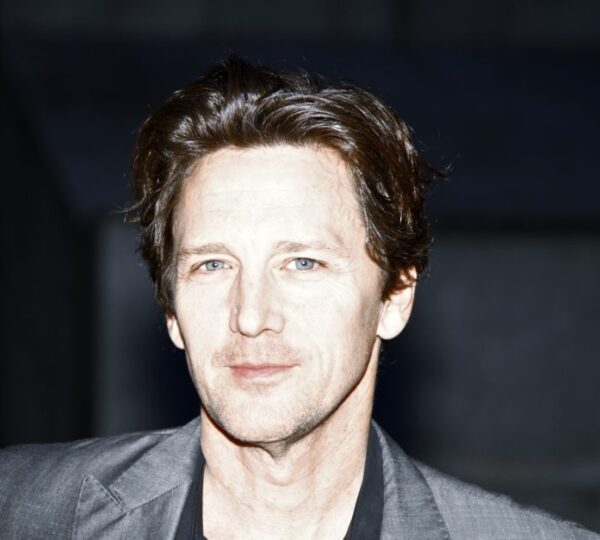
By the late 1980s, McCarthy’s films such as Mannequin (1987) and later Weekend at Bernie’s (1989) solidified his visibility. He was every teen girl’s crush and a ubiquitous presence in pop culture, appearing in magazine spreads, interviews, and television appearances.
Behind the Glamour: Struggles with Addiction
Yet while the public saw glamour, charm, and youthful success, McCarthy was silently battling an escalating struggle with alcohol. Though he had dabbled in marijuana and occasional social drinking since high school, the pressures of Hollywood exacerbated these habits.
Alcohol became a crutch — a tool to navigate anxiety, insecurity, and the overwhelming demands of fame. “If I was frightened, it gave me good Dutch courage,” McCarthy later admitted. “I felt confident and sexy and in charge and in control and powerful — none of those things I felt in my life.”
On film sets, the effects of his drinking were often invisible to audiences. During Pretty in Pink, for instance, he noted that he was so hungover for much of filming that he could barely function, yet the camera captured something entirely different:
“People said, ’Oh, he’s so sensitive and lovely in that movie.’ I was so hungover for that whole movie… I’m thinking, ’God, I got a headache. I am just dying here. I got to go lay down.’ But on film I came across a certain way.”
His memoir, Brat: An 80s Story, opens a candid window into this period — the wild parties, stays at the Chateau Marmont, and social events at the homes of stars like Sammy Davis Jr. While glamorous to outsiders, these experiences often deepened his reliance on alcohol as a coping mechanism.
He also experimented briefly with cocaine in the 1980s but noted that it mostly fed his drinking, and rarely interfered with his performances.
Turning Point and Sobriety
By the late 1980s, McCarthy realized he needed a change. In 1989, before filming Weekend at Bernie’s, he quit drinking cold turkey.
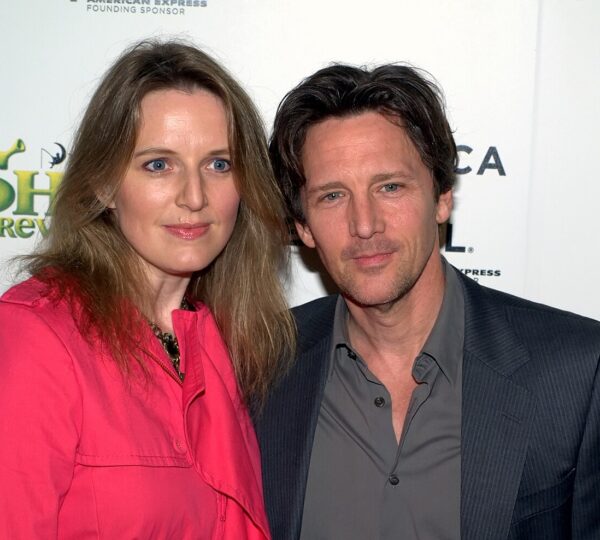
To maintain sobriety, he pulled back from the Hollywood social scene, an adjustment that was easier for him due to his introverted nature: “I’m very comfortable being alone and I’ve always been comfortable being alone,” he said in 2020.
“I find that people go to great lengths to avoid being alone and they get themselves into a lot of trouble. I find that a lot of unhappiness is from trying not to be alone.”
Despite his best efforts, temptation returned while filming Jours tranquilles à Clichy, when a co-star casually offered him a beer. The experience was a stark warning: his hands shook as he raised the can, revealing the fragility of his sobriety.
The next three years would be a struggle he later described as “lost and painful,” culminating in a moment of clarity when he collapsed in a bathroom, realizing that his life had reached a dangerous low.
At age 29, he checked into rehab, underwent detox, and committed fully to a life free from alcohol and drugs. This choice marked a pivotal turning point, leading to renewed self-awareness, personal growth, and the gradual rebuilding of his career.
Evolution of Career
Following his recovery, McCarthy’s career evolved. He transitioned from teen heartthrob to respected actor, director, and writer. His directing work includes acclaimed television series such as Orange Is the New Black, Gossip Girl, and episodes for various other notable productions.
McCarthy’s ability to move behind the camera has earned him recognition for storytelling, insight, and a nuanced approach to character development.
He also pursued a passion for travel writing. In 2010, he was named Travel Journalist of the Year, contributing to prestigious publications including National Geographic Traveler and Men’s Journal.
He describes both acting and travel writing as forms of storytelling, each allowing him to explore human experience and communicate creatively.
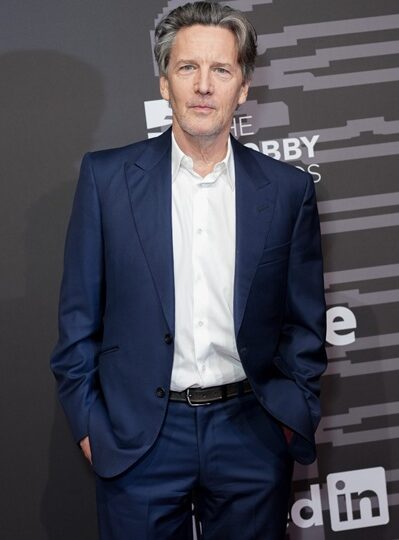
“People say, ‘How does an actor become a travel writer? They are so different.’ But they are exactly the same to me. They manifest in the same way. They’re both storytelling, and that’s how I communicate,” he explained.
“I’m just a better version of myself when I’m traveling,” he added. “You’re more vulnerable, you’re present in the world, your ‘Spidey sense’ is up.”
Personal Life and Family
McCarthy’s personal life reflects both the challenges of early fame and the stability he later cultivated. On October 9, 1999, he married his college sweetheart, Carol Schneider, nearly 20 years after first dating. The couple had a son, Sam, born in 2002, who later followed in his father’s footsteps into acting. The marriage ended in divorce in 2005.
On August 28, 2011, McCarthy married Irish writer and director Dolores Rice. Together, they have two children, Willow and Rowan, forming a stable and loving family in the West Village of New York City. McCarthy emphasizes the importance of family and fatherhood, stating: “I adore my children, naturally.”
Reflection on the ’80s and Iconic Films
Despite his own transformative journey, McCarthy maintains a modest perspective regarding the lasting impact of his 1980s films: “It’s nice,” he says. “It’s their experience, but it doesn’t have a lot to do with me particularly at this point. I don’t have a lot of nostalgia for my past.”
Fans, however, remain captivated, often commenting on his enduring charm and handsomeness decades later.
Lessons from a Hollywood Journey
Andrew McCarthy’s story is remarkable not only because of his early fame but because of the resilience, introspection, and reinvention he achieved.
Many of his peers in the Brat Pack era struggled with addiction, financial instability, and personal challenges that overshadowed their early success. McCarthy’s ability to confront addiction, embrace sobriety, and reinvent his career serves as a lasting testament to personal growth and self-awareness.
His journey reminds audiences that behind the polished façade of Hollywood glamour lies a complex human story — one filled with struggle, triumph, and transformation. He embodies a rare combination of early cultural impact, personal resilience, and ongoing creative evolution.
Legacy
Nearly 40 years after his first breakout role, Andrew McCarthy is remembered not only for his iconic teen roles but for the life he rebuilt, the lessons he internalized, and the legacy he continues to shape.
His eyes may no longer hold the wide-eyed wonder of youth, but they reflect quiet intensity, insight, and lived experience.
McCarthy’s story resonates as a blueprint for overcoming the pressures of fame, navigating personal challenges, and building a fulfilling life beyond the screen.
For fans, industry peers, and aspiring artists, his journey offers inspiration, demonstrating that even after early success, it’s possible to reclaim one’s life, pursue creative passions, and build meaningful relationships.
Andrew McCarthy remains an enduring figure in Hollywood — a symbol of both the excitement and the peril of youth in the spotlight, as well as the potential for redemption and reinvention.
His journey illustrates that stardom is fleeting, but personal growth, family, and authentic creative expression can provide a lifetime of fulfillment.