SHOCKING LOSS TURNS INTO LEGENDARY MOMENT AS UNDERDOG CONTESTANT LEAVES AUDIENCE IN TEARS WITH THE CLASSY MOVE THAT CHANGED EVERYTHING
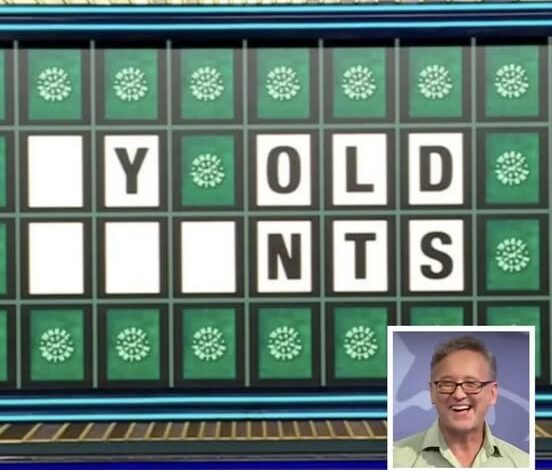
The harsh white glow of the television studio lights seemed almost unreal, bleaching every shadow from the stage and leaving nowhere for fear to hide. For the young man standing nervously behind the podium, those lights were doing far more than illuminating a game show set — they were exposing every ounce of vulnerability, hope, and humanity inside him to millions of strangers watching from home. By the time the episode reached its final moments, viewers across the country had become unexpectedly invested in him, not because he was flashy or charismatic in the polished way television usually rewards, but because he felt painfully genuine.
He didn’t arrive on stage carrying the confidence of someone chasing fame. He looked like the kind of person you might meet at a neighborhood barbecue or standing quietly in line at a grocery store — humble, slightly awkward, clearly overwhelmed by the surreal reality of being on national television. In an era where reality TV often feels carefully manufactured and emotionally rehearsed, he stood out precisely because he lacked polish. There were no dramatic speeches, no forced one-liners, no obvious strategy for becoming memorable. He simply seemed real, and that authenticity created an immediate connection with the audience.
As the game unfolded, something remarkable started happening.
With every puzzle he solved and every correct letter he called out in a voice trembling somewhere between anxiety and excitement, his confidence slowly began to grow. It wasn’t the sharp, aggressive confidence of a practiced competitor obsessed with winning. It was softer than that — the visible joy of someone realizing, moment by moment, that maybe he belonged there after all.
The audience inside the studio felt the shift first.
At the beginning, the applause had been polite and routine, the kind of automatic encouragement common during television tapings. But as the underdog kept succeeding, the atmosphere transformed completely. Cheers became louder, more emotional, more personal. People leaned forward in their seats every time the wheel spun or the countdown timer started ticking. The room stopped feeling like a television set and started feeling like a shared emotional experience.
At home, families watching from couches and kitchen tables became emotionally invested too. People weren’t yelling answers at the screen out of frustration anymore — they were rooting for him desperately, hoping this ordinary man might somehow walk away with the life-changing prize waiting under the studio lights.
By the time the final round arrived, the tension inside the studio had become almost unbearable.
The grand prize sitting nearby — a gleaming silver Jeep reflecting the overhead lights — represented far more than just a vehicle. For someone who clearly worked hard for every dollar, it symbolized freedom, stability, possibility. The underdog stood center stage with slightly shaking hands, staring at the blank puzzle tiles holding the answer that could completely change his life.
Then the timer began.
The familiar game show music swelled dramatically beneath the ticking clock, building pressure second by second. Millions of viewers held their breath while the contestant stared intensely at the board, searching desperately for the missing phrase hidden just beyond his reach.
And then it happened.
The silence stretched too long.
His mind froze completely.
The answer hovered somewhere near consciousness, close enough to feel but impossible to grasp. Every human being watching recognized the horror instantly because everyone has lived some version of that nightmare before — the terrible moment where success is inches away, yet your brain suddenly betrays you completely under pressure.
Then the buzzer sounded.
Sharp.
Final.
Merciless.
The disappointment inside the studio landed like a physical wave. Audible gasps swept through the crowd. Some people covered their mouths in disbelief while others groaned softly as though they themselves had lost something important. After spending an hour emotionally investing in this stranger’s journey, the audience felt genuinely heartbroken watching victory disappear in the final seconds.
But what happened next transformed the moment from ordinary game show disappointment into something unforgettable.
Instead of collapsing emotionally or reacting with frustration, the contestant suddenly doubled over laughing.
Not bitter laughter.
Not embarrassed laughter.
Real laughter.
The moment he saw the answer revealed on the board, he clapped his hands together in pure disbelief at himself, almost like a fan cheering during a sporting event instead of someone who had just lost a major prize. The absurdity of the situation struck him before self-pity could. Rather than allowing humiliation to consume the moment, he embraced the ridiculous humanity of it completely.
Then he did something even more extraordinary.
He turned immediately toward the actual winner — another contestant standing nearby looking caught between celebration and sympathy — and embraced them warmly, sincerely, without the slightest trace of resentment. He refused to let his disappointment poison someone else’s joy.
That single reaction changed everything.
Within hours, footage of the final sixty seconds spread across social media at astonishing speed. But unlike the internet’s usual obsession with humiliation and public failure, people shared the clip for an entirely different reason. This wasn’t treated as an “epic fail” or cruel viral embarrassment. Instead, audiences recognized they had witnessed something painfully rare: grace under pressure.
Teachers shared the clip with students while discussing resilience and emotional maturity.
Business leaders circulated it among employees as an example of sportsmanship and composure.
Parents showed it to children as a lesson about character.
People quickly forgot the exact puzzle he missed.
They forgot the category.
Many even forgot the make of the vehicle itself.
But they remembered him.
They remembered the warmth of his smile after losing.
The way he laughed instead of collapsing.
The way he prioritized another person’s happiness over his own disappointment.
The way he reminded millions watching that dignity matters more than victory.
In a culture obsessed with winning at all costs, the underdog accidentally delivered something far more meaningful than a game show triumph. He demonstrated that human worth is not measured by trophies, prizes, or flawless success. Sometimes the clearest measure of character appears in moments of public failure — when pressure is highest and disappointment unavoidable.
He walked onto that stage as a forgettable contestant few producers expected audiences to remember.
He walked off it as something much rarer:
Proof that kindness, humility, and grace still have the power to move an entire nation.