BEYOND THE GROCERY SHELF THE SHOCKING REASON YOUR BEEF TASTES SO DIFFERENT
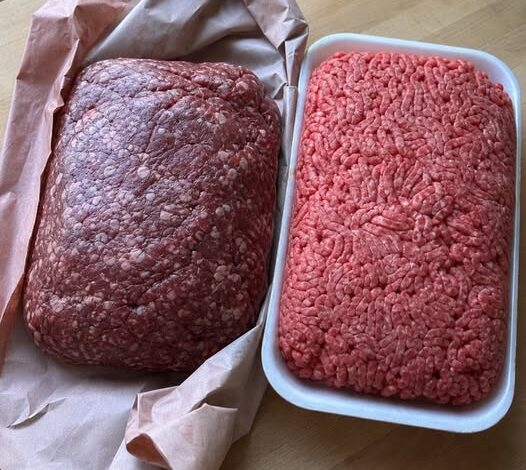
When you walk into a typical supermarket, you are met with a gleaming wall of refrigerated cases. Inside, rows of shrink-wrapped, uniform packages of beef sit waiting for your selection. It is a system built on one core promise: consistency. Whether you are in a small town in Maine or a bustling metropolis in California, a sirloin steak from a major grocery chain is designed to offer a predictable experience. It is a triumph of logistics, a marvel of modern supply chain management that ensures a reliable source of protein is always within arm’s reach, regardless of the season or the economic climate. For millions of busy families, this accessibility is not just a convenience; it is a necessity. It fits into the frantic rhythm of modern life, where a quick trip to the store happens between picking up the kids from practice and finishing an urgent work project.
Yet, there is a growing movement of people who have walked away from that fluorescent-lit aisle, choosing instead to bridge the gap between their plates and the pasture. They are seeking out farm-raised beef, a product that tells a vastly different story. To understand the divide between store-bought and farm-raised meat is to confront the reality of how our food system has shifted over the last few decades. The decision to make this switch is rarely just about the cost per pound; it is a philosophical choice about what we value, how we nourish our bodies, and the legacy we leave for the land.
The allure of farm-raised beef often begins with a memory or a desire for a deeper connection. When you source your meat directly from a local producer, you are participating in a cycle that feels human-scaled. You are not dealing with an anonymous commodity; you are dealing with a farm that has a name, a location, and a philosophy. The cattle in these operations often spend their lives on open pasture, grazing on grass and moving according to the natural rhythm of the seasons. This slower approach to raising livestock has a profound impact on the final product.
Proponents of farm-raised beef often describe the flavor profile as more complex and traditional. Because the animals are allowed to grow at a natural pace, the meat often develops a different texture and a richer, more robust flavor that speaks of the terroir of the land where they grazed. There is a sense of integrity in this approach. When you buy a side of beef from a local rancher, you are often buying into a relationship. You might visit the farm, see the pastures, and learn about the specific practices used to manage the health and welfare of the herd. For many, that transparency is worth every penny of the premium price and the extra effort required to store a bulk order in a chest freezer.
However, it would be disingenuous to suggest that the supermarket model is inherently flawed. For those on fixed incomes or those living in food deserts where local, high-quality options are non-existent, the supermarket is the only gatekeeper to essential nutrition. It provides a level of affordability that small-scale, regenerative agriculture often struggles to match. The industrial beef supply chain is designed to minimize waste and maximize volume, which effectively lowers the price at the register. We must acknowledge that for the majority of the population, these factors are paramount. Reliability, predictability, and price are not just superficial concerns; they are the bedrock of household budgeting and food security for millions.
The conflict between these two worlds is really a reflection of the competing pressures of modern existence. We want high-quality, ethically produced food that connects us to nature, but we also require the efficiency of a system that guarantees we can feed our families without breaking the bank or spending all weekend managing our food supply.
There is no inherently wrong choice in this binary. Choosing a supermarket steak is not a moral failing, just as choosing a grass-fed, locally sourced roast is not an act of elitism. Both choices serve different needs and occupy different spaces in our lives. A weeknight dinner might demand the quick thaw of a store-bought pack of ground beef for a batch of tacos, while a weekend celebration might call for the slow-cooked, deeply flavored brisket from a local farm. We are allowed to inhabit both spaces.
Ultimately, the goal is to become an informed consumer. Understanding the mechanics behind the meat on your plate allows you to make decisions that align with your personal values. It shifts the act of grocery shopping from a passive task into an intentional one. When you know the difference between the standardized product of the mass market and the variable, land-based product of the small farm, you stop being a mere consumer and start becoming a curator of your own diet.
This awareness changes the way we eat. It encourages us to look past the price tag and ask questions about the origin, the life of the animal, and the impact of the production method on the environment. It invites us to consider the food story we want to share with our families. Whether that story is one of efficiency and convenience or one of tradition and connection, the decision remains yours. As we look ahead to a future where food production will face even greater challenges, the ability to choose mindfully will become increasingly important. By honoring both the necessity of the supermarket and the value of the farm, we can create a food culture that is both pragmatic and principled, ensuring that every meal we serve is not just fuel, but a reflection of what we truly care about.