This Obscure ’80s Horror Story Left a Disturbing Legacy
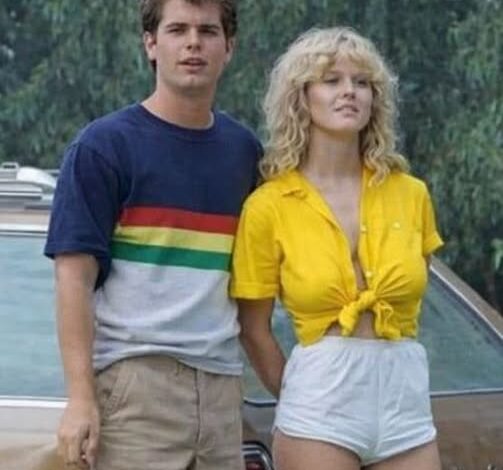
A forgotten VHS relic is still disturbing viewers decades after it first slipped into obscurity. It wasn’t a blockbuster. It never had the polish of mainstream horror classics, nor the marketing power to carve its name into pop culture history. In fact, for years it survived mostly through damaged videotapes, late-night recommendations, and whispered conversations between horror fans who seemed strangely eager — and hesitant — to talk about it. Yet somehow, this strange little film about a quiet town hiding a monstrous secret refuses to disappear. Like an old urban legend passed from hand to hand, Evil Town lingers in the imagination long after the credits end, carrying the uncomfortable feeling of something rotten hidden beneath ordinary life.
Part of what makes the movie so unsettling is how deceptively normal everything appears. There are no gothic castles, no stormy skies warning you to stay away, no dramatic soundtrack screaming that danger is near. Instead, the town feels almost comforting at first glance. Warm sunlight spills across peaceful streets. Elderly neighbors wave politely from porches. Cars drift lazily down tree-lined roads while conversations unfold with sleepy small-town calm. The setting feels familiar enough to trust, and that trust becomes the film’s greatest weapon.
Because underneath that harmless surface lives something horrifyingly practical.
The elderly residents of the town have discovered a grotesque method of escaping death: harvesting youth from younger outsiders to prolong their own lives. What makes the premise linger in the mind isn’t just the body horror itself, but the chilling calmness surrounding it. Nobody twirls a mustache or delivers villainous speeches. The townspeople don’t behave like monsters in the traditional cinematic sense. They behave like ordinary people protecting a system they’ve quietly accepted as necessary. Their horror is bureaucratic, communal, almost routine. That normality makes the story feel far more disturbing than exaggerated violence ever could.
The film slowly forces viewers into an uncomfortable realization: evil rarely announces itself dramatically. More often, it hides behind politeness, convenience, and shared silence.
That’s why Evil Town feels less like fantasy and more like discovering a terrible rumor you can’t completely dismiss. Its rough production quality — the faded colors, awkward pacing, cheap effects, and grainy VHS texture — somehow deepen the experience instead of weakening it. The imperfections make the movie feel oddly authentic, like forbidden footage accidentally uncovered rather than carefully crafted entertainment. Watching it can feel strangely intimate, as though you’re peeking into something unfinished and unsafe.
Many polished horror films create distance through spectacle. Evil Town does the opposite. Its lo-fi atmosphere pulls the horror closer to reality.
Even the town itself becomes symbolic of something larger. It represents the fear of entering a place where everyone already knows something you don’t. A place where smiles are rehearsed, hospitality hides calculation, and your value has already been measured before you even understand the rules. The young travelers arriving in town believe they’re simply passing through another quiet community. But gradually they realize they were never guests. They were resources.
And perhaps that’s the deeper reason the film still disturbs people decades later. Beneath its strange plot and low-budget execution lies an ancient human fear: the terror of being consumed by systems older and stronger than yourself. The fear that comfort and civility can coexist with cruelty so seamlessly that nobody questions it anymore. The residents of Evil Town aren’t driven by sadism alone. They’re driven by survival, habit, and the desperate refusal to let go of youth. That motivation feels disturbingly believable because it reflects something deeply human — our fear of aging, irrelevance, and mortality itself.
Stripped of spectacle, the movie leaves behind something heavier than simple scares. It feels like a moral bruise that never fully fades. Long after watching it, viewers often remember less about specific scenes and more about the atmosphere of quiet dread hanging over everything. The film creates the sensation that danger can exist in broad daylight, hidden beneath friendliness and routine. That idea lingers because it mirrors real life more closely than supernatural monsters ever could.
Over time, Evil Town transformed from forgotten media into cult folklore. Horror fans continued sharing battered tapes and fragmented memories of it precisely because it felt imperfect and elusive. Every scratch on the VHS image, every awkward cut, every strange tonal shift added to the myth surrounding it. People didn’t just watch the movie — they discovered it, almost like uncovering evidence of something not entirely meant to survive.
And maybe that’s why the film still works.
Not because it’s flawless, but because it feels haunted by its own existence.
Decades later, Evil Town remains unsettling for the same reason certain nightmares stay vivid long after waking: it touches a fear that never grows old. The fear that one day you’ll wander into the wrong place at the wrong time, surrounded by smiling strangers who have already decided exactly what you’re worth — and how much of you they’re willing to take to preserve themselves a little longer.