8 Easy Ways to Keep Snakes Away From Your Yard Without Using Harsh Chemicals
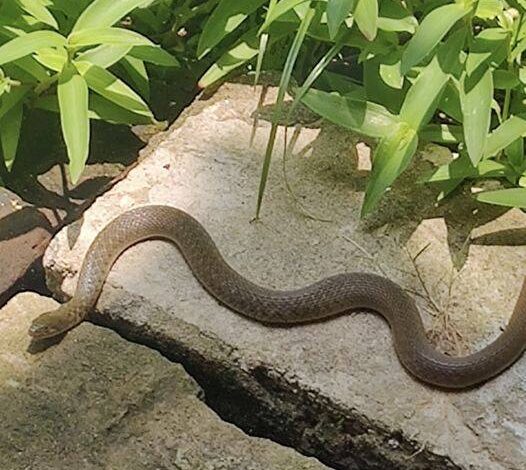
Most people never think much about snakes until one suddenly appears where it absolutely should not be — curled beside a flower bed, sliding beneath patio furniture, or worse, resting only inches away from bare feet in the grass. In that instant, an ordinary backyard can stop feeling peaceful altogether. Panic takes over quickly. Every movement in the bushes starts looking suspicious, every shadow in the yard suddenly feels alive, and stepping outside no longer feels automatic or safe. But in many cases, the real problem is not that a snake randomly “appeared out of nowhere.” The real issue is that certain unnoticed conditions around the home may have quietly invited it there in the first place.
Snakes generally do not wander aimlessly into human spaces without reason. Like most wildlife, they are searching for basic survival needs: food, shelter, moisture, and protection. A yard that accidentally provides those things can become extremely attractive to both snakes and the small animals they hunt. Rodents, insects, frogs, and other prey naturally draw snakes closer, especially in outdoor environments where hiding places are easy to find.
One of the biggest hidden attractions is an uncontrolled food source. Bird feeders, for example, may seem harmless or even relaxing additions to a backyard. But fallen birdseed scattered beneath feeders often attracts mice, rats, and squirrels. Once rodents begin appearing regularly, predators follow. Snakes recognize areas with active prey populations and may begin hunting there repeatedly without homeowners even realizing it.
Overgrown grass and neglected landscaping also create ideal conditions. Tall weeds, thick bushes, piles of leaves, and untrimmed vegetation provide cool shaded areas where snakes can hide safely during hot weather or while avoiding predators. Wood piles, stacked bricks, unused flowerpots, garden tools, and cluttered storage corners offer even more protected hiding places that feel secure to reptiles looking for shelter.
Moisture is another major factor many people overlook. Standing water from leaking hoses, clogged gutters, birdbaths, or poorly drained soil attracts insects, amphibians, and small animals — all of which become part of the food chain snakes may follow into residential areas. Even damp shaded environments beneath decks or near foundations can become comfortable resting spots for certain species.
In some cases, small structural openings around homes create pathways directly into areas where snakes and rodents can hide safely. Tiny gaps near foundations, vents, crawl spaces, garages, or damaged window screens may seem insignificant to homeowners, but they can provide easy access points for wildlife searching for warmth or shelter. Once prey animals begin nesting near those areas, snakes may eventually follow.
The good news is that preventing unwanted snake encounters usually begins with simple maintenance rather than fear or aggressive extermination. Most snakes are not naturally interested in humans and prefer avoiding confrontation whenever possible. Changing the environment around the yard often reduces the chances of attracting them significantly.
Keeping grass short and landscaping trimmed removes many hidden resting places. Cleaning fallen birdseed regularly can discourage rodents from gathering near the home. Removing piles of debris, unused materials, or clutter limits safe hiding areas for both prey animals and snakes themselves. Fixing leaks, improving drainage, and eliminating standing water can also make the environment far less attractive overall.
Sealing small openings around the house is another important step. Repairing damaged screens, covering vents properly, and closing foundation gaps helps prevent wildlife from settling too close to living spaces. These preventative measures not only reduce snake encounters but also discourage rodents and insects that attract predators in the first place.
Some people also use natural deterrents to make outdoor spaces less inviting. Strong scents such as citrus, lemongrass, peppermint, or certain essential oil mixtures are sometimes used around gardens or patios to gently discourage snakes from lingering nearby. While these methods are not guaranteed solutions, many homeowners prefer them because they avoid poisoning wildlife or damaging the surrounding ecosystem.
Ultimately, the goal is not to create fear around snakes themselves. Most snakes play an important role in controlling rodent populations and maintaining environmental balance. The real objective is creating a yard that feels less attractive as a hunting or sheltering space so unexpected encounters become far less likely.
In the end, peace of mind often comes not from destroying wildlife, but from understanding the quiet environmental signals our homes send every day. A clean, well-maintained yard naturally becomes less inviting to unwanted visitors while remaining safer and more comfortable for the people living there.
And sometimes, the difference between fear and co