Restoring a 100-Year-Old Home, We Uncovered a Hidden Relic in the Wall — and It Upended Our View of the House
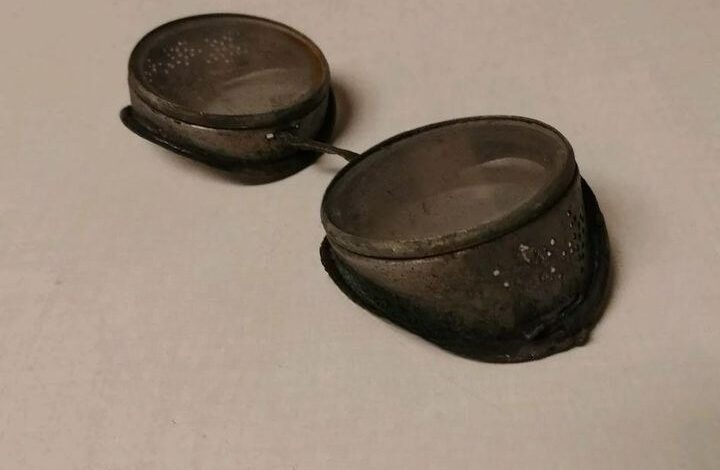
When we first started renovating the old house, we expected the usual surprises — crooked floors, stubborn pipes, hidden water damage, maybe a few forgotten newspaper scraps behind the walls. Old homes always carry quirks from previous generations. But one particular discovery stopped us cold and transformed the entire project into something much more personal.
It happened while opening an interior stud wall near the back hallway.
At first, the metal pieces looked almost insignificant. Small, dark, worn smooth with age, tucked carefully into the space as though someone intentionally hid them there decades earlier. Alongside them rested a narrow strip of metal with edges softened from repeated handling.
No labels.
No explanation.
No obvious purpose.
Yet something about the way they had been wedged into the wall made them feel important.
Not valuable in a financial sense — meaningful.
We stood there holding them in dusty hands while the house suddenly felt different around us. Until that moment, the renovation had mostly been about repairs, budgets, timelines, and design decisions. But discovering those strange little objects shifted our perspective completely.
The house stopped feeling like property.
It started feeling like memory.
Someone long before us had touched these exact objects daily. Someone considered them useful enough, personal enough, or important enough to tuck carefully inside the walls rather than throw them away. And despite all our searching afterward, we still couldn’t identify precisely what they were used for.
Oddly, that mystery became part of why the moment lingered so strongly.
Because it revealed how quickly ordinary knowledge disappears.
At one time, those metal pieces probably made perfect sense to everyone inside that household. They may have belonged to a specific trade, a repetitive chore, a practical household task nobody even thought twice about. Yet only a few generations later, the objects remained while the knowledge attached to them had almost completely vanished.
That realization felt strangely haunting.
Old houses quietly preserve these fragments of forgotten daily life everywhere inside them. Beneath floorboards. Behind plaster. Inside crawlspaces and attics. Tiny traces of ordinary people who woke up, worked, repaired things, cooked meals, raised children, solved problems, and eventually disappeared while the house continued standing long after them.
And unlike museum artifacts displayed behind glass, discoveries like this feel intimate because they were never meant to become history.
They were simply part of someone’s life.
That’s what made the moment so powerful for us. Holding those worn pieces of metal created a tangible connection across time — not to famous historical figures, but to regular human beings whose routines, skills, and quiet ingenuity once filled those rooms with life.
Even now, we still don’t know exactly what the objects were for.
But somehow, that uncertainty almost deepens their meaning instead of diminishing it.
Because the discovery was never really about solving a mystery.
It was about perspective.
About realizing that every old structure contains invisible layers of human experience embedded into its walls. Renovation suddenly felt less like replacing the past and more like carefully building on top of it while acknowledging the lives already woven into the foundation.
And in the end, that small collection of forgotten metal pieces became one of the most memorable parts of the entire project.
Not because of what they were worth.
But because they reminded us that history is rarely grand while it’s happening.
Usually, it looks like ordinary people using ordinary tools, never imagining someone generations later might pause in silence, holding the remnants of their daily lives and wondering who they were.