What To Do If Bitten by an Assassin Bug: Essential Safety Advice Everyone Should Know
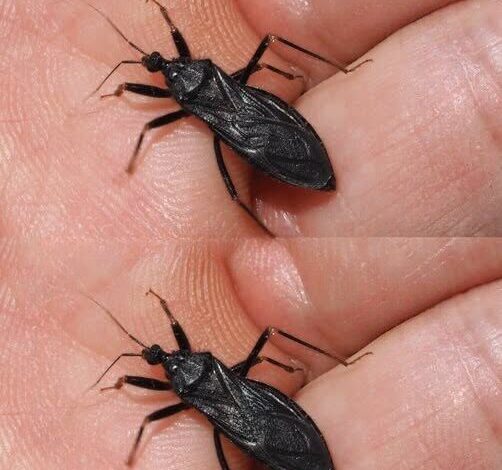
Warm summer nights and outdoor adventures often bring an unwelcome companion: insects. Most are harmless annoyances, but some carry risks people rarely think about until it’s too late. One of the most unsettling is the assassin bug—sometimes called the “kissing bug”—an insect linked to a potentially serious illness known as Chagas disease.
What makes these bugs especially concerning is how easily their bites can go unnoticed.
Unlike a painful sting or obvious attack, assassin bug bites are often mild at first. Many people sleep through them entirely. Hours later, the area may become red, swollen, itchy, or irritated, but by then the insect is usually long gone. And in certain cases, the real danger isn’t the bite itself—it’s the parasite the bug may leave behind near the wound.
Assassin bugs are found in various parts of the United States, especially warmer southern regions. They tend to hide near wood piles, outdoor storage spaces, gardens, pet shelters, and cracks around homes. Most become active at night, feeding quietly on blood while people or animals sleep.
Not every assassin bug carries disease.
And not every bite leads to infection.
But awareness matters because early medical attention can make a major difference if exposure occurs.
The illness associated with these insects, Chagas disease, is caused by a parasite that may enter the body if contaminated material is accidentally rubbed into the bite, eyes, or broken skin. Some people never develop symptoms at all, while others begin experiencing warning signs days or weeks later.
Possible symptoms can include:
Fever
Fatigue
Headaches
Muscle aches
Rash
Swelling near the bite
Nausea or vomiting
The reason doctors take potential exposure seriously is because untreated infection can sometimes remain hidden for years before affecting the heart or digestive system later in life.
If you suspect an assassin bug bite, the first step is simple but important:
Wash the area thoroughly with soap and warm water as soon as possible.
Avoid scratching the bite, since rubbing irritated skin may increase the risk of contamination or bacterial infection. A cold compress wrapped in cloth can help reduce swelling and discomfort.
Then pay attention to your body over the following days and weeks.
If unusual symptoms develop—especially fever, fatigue, swelling, or flu-like illness—contact a healthcare professional promptly. Depending on where you live and the details of the exposure, doctors may recommend testing or additional monitoring.
Prevention also plays a major role in reducing risk.
Simple steps can make outdoor spaces less attractive to these insects:
Keep wood piles and debris away from the home
Seal cracks around windows, doors, and vents
Use screens and weather stripping
Reduce unnecessary outdoor lighting at night
Wear long sleeves and pants in insect-heavy areas
Use insect repellent when appropriate
Pet owners should also remain attentive, since dogs and other animals can encounter assassin bugs outdoors as well. Monitoring pets for swelling, unusual illness, or bites may help catch problems early.
Still, it’s important not to panic.
Stories about “kissing bugs” often sound terrifying online, but many encounters never lead to illness. Awareness—not fear—is the goal. Understanding what these insects look like, knowing how to respond to bites, and taking reasonable precautions can dramatically reduce anxiety and improve safety.
Interestingly, assassin bugs are not purely villains in nature either. Some species actually help control other insect populations and contribute to ecological balance outdoors. Like many creatures in the natural world, they occupy a complicated space: useful within ecosystems while still presenting risks humans should respect.
And perhaps that’s the larger lesson.
Nature rarely operates in simple categories of harmless or dangerous. Often, the safest approach is not panic or obsession, but informed caution—learning enough to protect yourself while still being able to enjoy the outdoors without fear controlling every moment.
Because sometimes the quietest dangers are the ones people know the least about. And sometimes, simple awareness becomes one of the strongest forms of protection we have.